
What Makes an Event Activation Actually Engaging?
What makes an event activation actually engaging? Learn how purpose, participation, design and well-timed content capture turn interest into real action.
A busy stand is not necessarily an engaged stand. Guests may pause for a free item, take a quick photograph or accept a drink, then move on without remembering who hosted the interaction. What makes an event activation actually engaging? It gives people a worthwhile reason to stop, a clear role to play and an outcome they are pleased to share or keep.
For brand teams, the useful distinction is between attention and participation. A queue can indicate interest, but it can also indicate a slow process. The aim is a worthwhile interaction with a clear next step—not a crowd for its own sake.

What makes an event activation actually engaging?
The strongest activations are built around a simple exchange: the guest gives attention, choice, creativity or participation, and receives something of genuine value in return. That value may be a beautiful portrait, a playful transformation, a moment of recognition, a physical print or a contribution to a larger visual installation.
The key is that participation must feel voluntary and rewarding, not like a hurdle placed in front of a branded giveaway. Guests are quick to sense when an experience has been designed solely to collect data or fill a social feed. They are equally quick to respond when it has been designed with their time, confidence and curiosity in mind.
At a conference, the exchange may need to be fast and socially easy: a polished content capture moment that gives attendees a reason to pause between sessions. At a consumer launch, it may be more theatrical, with an AI-led transformation or collaborative wall that reveals itself over the day. The mechanism changes, but the principle does not. People engage when they understand what is being invited of them and can see why it will be enjoyable.
Start with the guest, not the technology
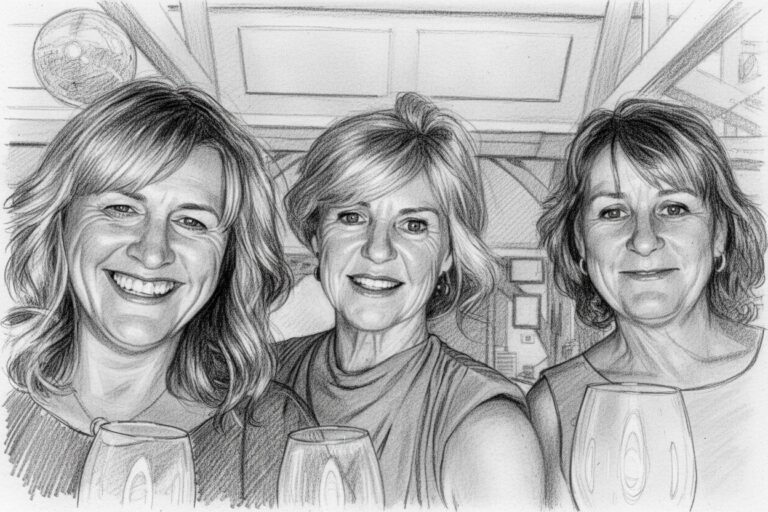
Start with the guest’s action, not the technology label. A photograph, a robot-drawn portrait, a digital drawing and a contribution to a mosaic are distinct experiences. Show the finished output and explain how to take part before expecting a visitor to understand the equipment.
Before choosing an installation, it helps to ask a more useful question: what should a guest feel, do or say after this encounter? A beauty brand might want guests to feel seen and styled. An employer brand may want colleagues to feel part of a shared culture. A drinks launch may want people to become active contributors to the campaign world rather than passive viewers of it.
That intention shapes the guest journey. If the goal is confident content capture, the lighting, backdrop, prompting and sharing process all need to make people feel comfortable in front of the camera. If the goal is discovery, the interaction should reveal something – a personalised visual, a new angle on the product or an evolving artwork – rather than simply request a photograph.
Plan the full journey: capture or creation, processing, printing or delivery, then collection. Capacity depends on the specific equipment, style, staffing and operating period. Discuss likely arrival peaks with MooMuu instead of assuming one format is always faster or that every guest will complete it.
Make participation feel easy from the first glance
A guest should be able to read the basic invitation in a few seconds. What is this? What do I do? What will I get? If those answers are unclear, even the most impressive installation can become something people admire from a distance rather than approach.
Clear visual cues matter. An open, well-lit setup, visible examples of the final output and a calm host who can welcome people without overexplaining all reduce the social friction of joining in. At an exhibition, this is particularly valuable. Attendees are often scanning multiple competing demands on their time, so the activation needs to communicate its appeal before a member of staff has begun a pitch.
Match the invitation to the product. For AI Sketch Bots: “Would you like to watch a robot draw your portrait?” For the AI Graffiti Wall: “What would you add to our campaign canvas?” Clear examples help people decide whether the experience is for them without pressure.
Give guests agency, not just instructions
Participation becomes more memorable when guests can make a meaningful choice. That might be selecting a visual treatment, adding a short message, choosing how they appear in a campaign-inspired scene or contributing an image to a live artwork.
Agency does not require an overwhelming menu of options. In fact, too much choice can slow the guest journey and weaken the effect. The most elegant activations usually offer one or two decisions that feel personal while keeping the experience moving. A restrained set of campaign-aligned styles will often feel more considered than a screen full of unrelated filters.
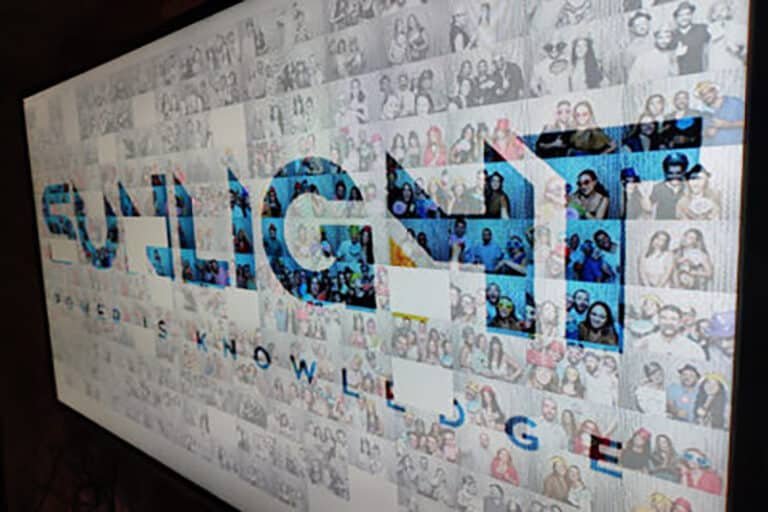
Mosaic Wall Live makes participation visible: guests take a photo at the included ICON Booth, keep one print and place a second, coded tile on the physical wall. For colleagues joining from different locations, the separate Digital Mosaic uses a QR code or upload link and builds the image on screen. Match the format to where your audience will be.
Build content capture into the experience, not after it
This does not mean every activation needs to chase social sharing. Some guests will prefer a printed portrait, and some corporate settings require a more private approach. But the content should always have a purpose and a standard. It needs to look intentional, with considered lighting, clean framing and campaign creative that complements rather than overwhelms the guest.
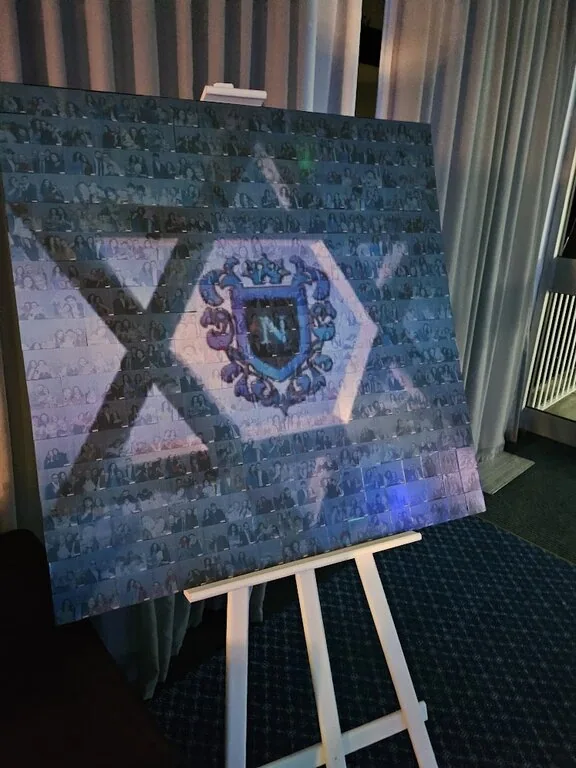
Branding is a common point of tension. A logo needs visibility, especially where measurable reach is an objective, yet excessive branding can make a guest feel like a prop in an advert. The better approach is integration. Use the brand world in the backdrop, visual style, animation or final delivery rather than placing a large mark across every face. Guests are far more likely to keep and share content that still feels like theirs.
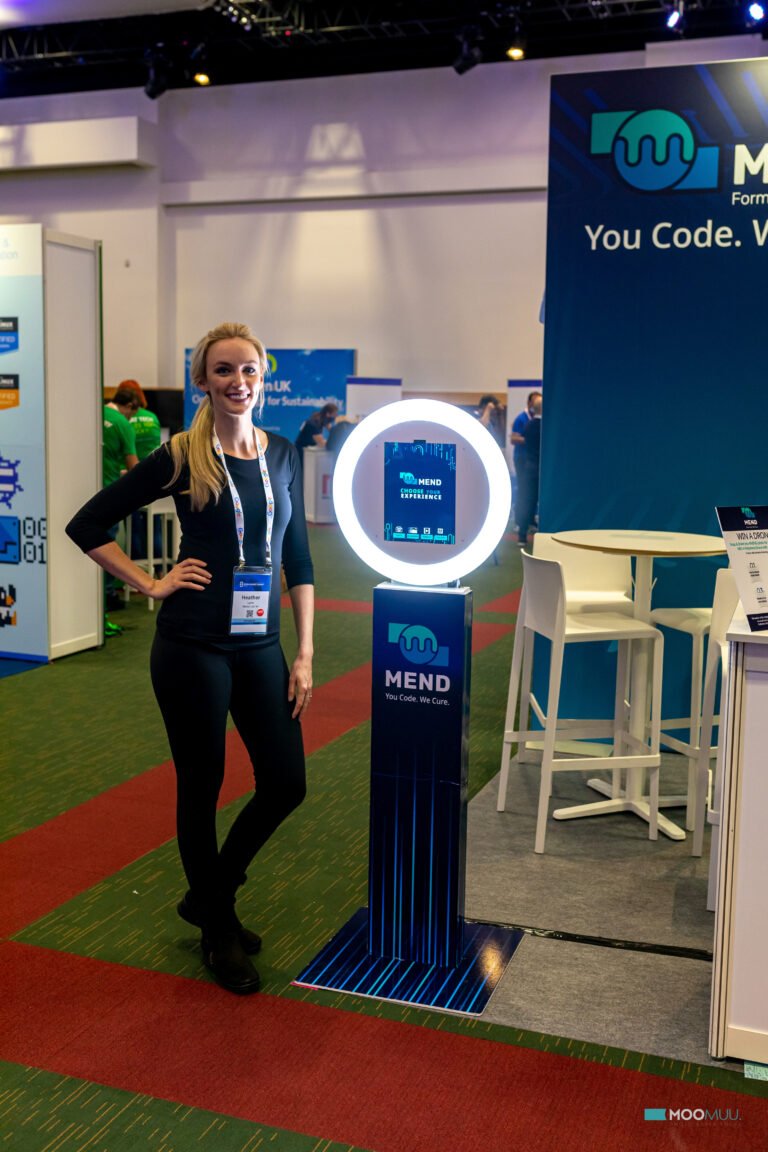
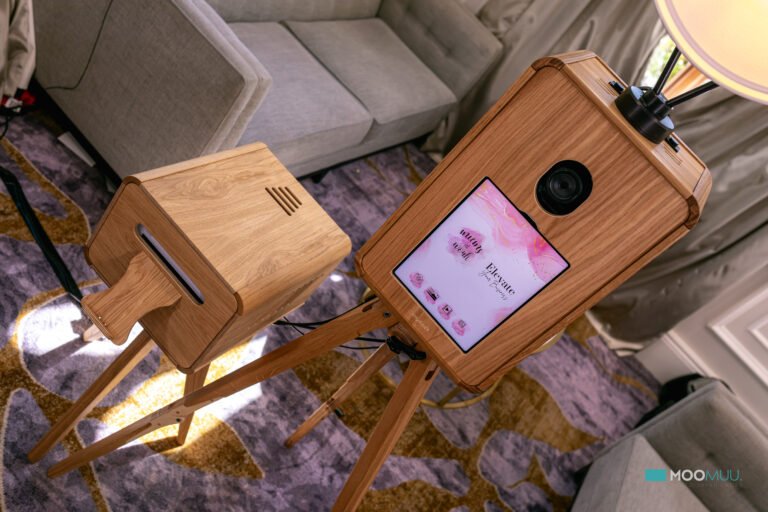
Choose the delivery method deliberately. The Digital Booth is self-service and print-free, with digital photos, GIFs, boomerangs and short videos. ICON Booth offers a hosted photographic experience with prints and digital options. Confirm the package and venue connectivity before promising immediate sharing; see our print and digital comparison.
Respect the context and the event footprint
An engaging activation belongs in the room. It should be visible enough to draw attention, but not so disruptive that it fights the event around it. The scale, sound level, lighting and physical footprint all influence whether the experience feels appropriately placed.
A refined dinner, for instance, may call for a design-led portrait experience that sits naturally alongside the tables and décor. A festival-style brand event may have permission for more movement, colour and spectacle. At a conference, an activation positioned near a natural transition point – registration, coffee or the route between sessions – can perform better than one placed where guests must make a special detour.
Plan clear, accessible routes to the capture point, viewing area and collection station. Keep queues away from exits, registration and catering. Discuss seating, reach, lighting or assistance needs with the venue and MooMuu in advance; a welcoming explanation should be available without requiring someone to join a queue.
Measure the behaviour that reflects the objective
Pick one primary measure before the event. For a portrait experience, that might be completed portraits; for a corporate stand, meaningful conversations or requested follow-ups may matter more. Agree any optional data capture and reporting in advance. Photo downloads do not prove social shares, and a mosaic tile count is not a count of unique people.
Numbers need context. A high-throughput experience may be right for a large exhibition with limited time. A lower-volume, more personal interaction may be the stronger choice for a hospitality event where relationship-building matters. The question is not whether every guest participated. It is whether the people who did had the kind of encounter the event was designed to create.
Design a guest journey with a clear purpose
Tell us who is attending, what you would like them to do, and whether the priority is guest keepsakes, a shared artwork or conversations around your brand. Add your venue, date and available operating time; we will help narrow the choice.
Request a tailored corporate proposal or find your corporate experience. If you are planning a wedding or celebration, tell us about your event. Your plans do not need to be final.