
Choosing an Activation for a High-Footfall Conference
Choosing an activation for a high-footfall conference means balancing throughput, dwell time, creative fit and the guest journey. Here is how to decide.
A busy conference floor can make an activation look successful before it has achieved anything useful. A queue may signal interest, but it can also block circulation, frustrate delegates between sessions and reduce the number of people who can take part. Choosing an activation for a high-footfall conference begins with a more useful question: what should guests do, feel or share once they reach your event footprint?
For most conference organisers and brand teams, the answer sits somewhere between visibility, meaningful guest engagement, content capture and a clear connection to the wider campaign. The right experience needs to work at pace without feeling rushed, and it must be legible from a distance while rewarding the people who stop.
Start with the movement of the room
Before selecting an experience, study the conference timetable and physical layout. Footfall is rarely consistent. Registration, refreshment breaks, lunch and the period immediately after keynote sessions tend to create sharp surges, while exhibition traffic may be more dispersed across the rest of the day.
This matters because an activation that is excellent in a contained hospitality setting may not suit a busy central aisle. If guests only have five or ten minutes before their next session, a long-form interaction can feel like a commitment they cannot make. Conversely, an experience designed purely for speed may struggle to create the dwell time a brand needs in a quieter networking area.
Consider where people are coming from and where they need to go next. An installation beside an entrance needs a different guest journey from one positioned at the far end of an exhibition hall. At the entrance, the priority is often visual recognition and quick participation. In a destination space, there is more room for a considered interaction, a conversation with the team or an evolving visual outcome that gives people a reason to return.
A practical site visit or detailed floorplan review will usually reveal more than a product list. Look at aisle widths, sightlines, nearby stands, catering queues, access routes and the available power and connectivity. A beautiful installation that constricts a main route is not good event design.
Define the job of the activation
A conference activation cannot be chosen on appearance alone. Design matters, particularly when the experience will sit alongside a carefully considered brand environment, but it should serve the event objective rather than replace it.
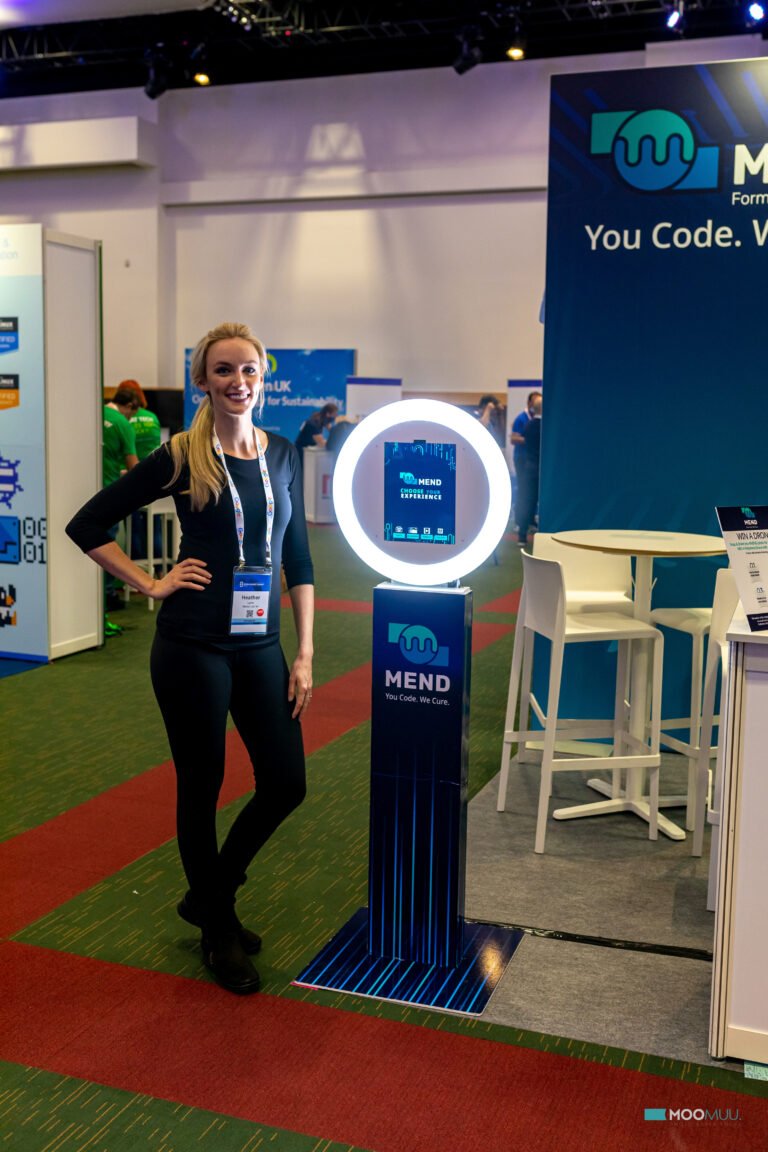
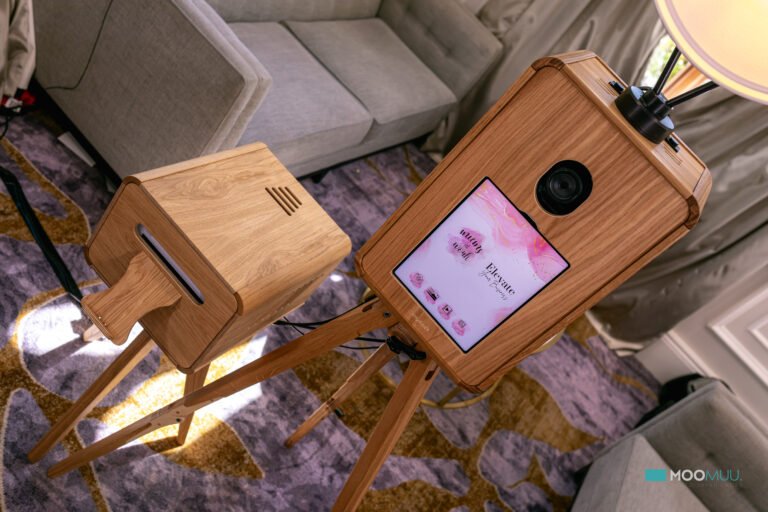
If the priority is content capture, professional photography with a refined branded output may be the most appropriate route. A Digital Booth or Signature Glam Booth, for example, gives guests a clear and familiar reason to participate, while still allowing the output to reflect campaign creative. The interaction is immediate, making it well suited to a sustained flow of delegates.
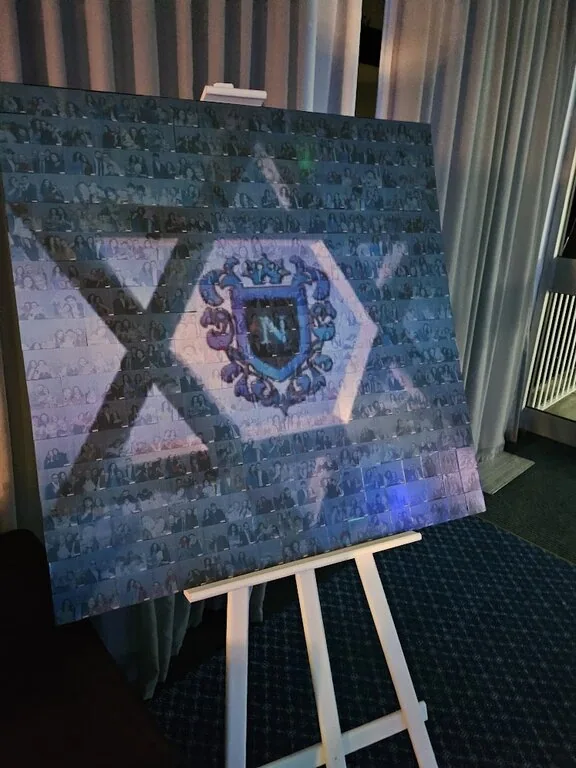
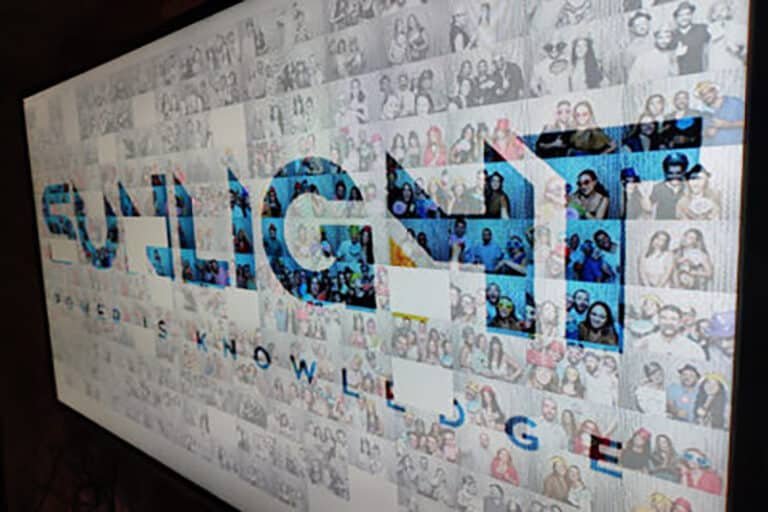
If the objective is to hold attention and invite repeat visits, a live installation can work harder. A Mosaic Wall Live develops over the course of the event, turning individual guest photographs into a collective image. It creates a visible sense of progress and gives the activation presence beyond the moment of capture. This can be particularly effective when the finished artwork connects naturally to a conference theme, brand message or internal communications campaign.
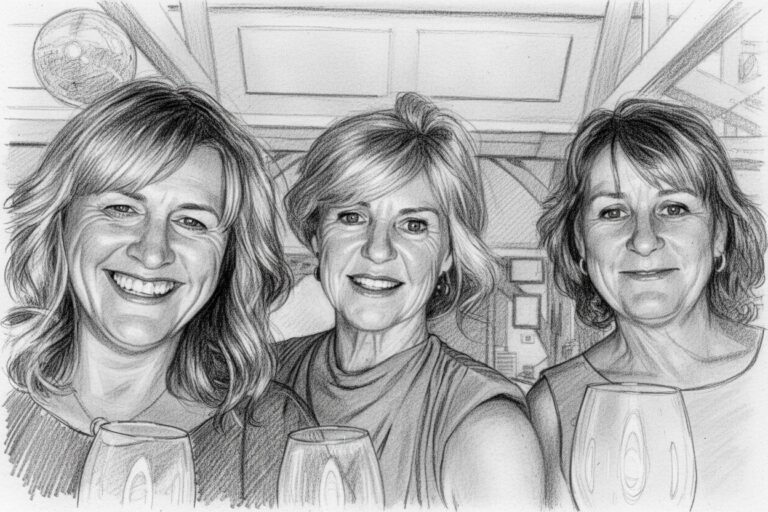
For a brand seeking a more playful or imaginative content moment, an AI Experience, AI Sketch Bot Experience or AI Graffiti Wall can offer a stronger transformation. The key is to make the creative logic clear. Guests should understand what they are being invited to do and what they will receive before they join the queue. If the premise takes too long to explain, it is likely to lose people during a busy break.
The question is not whether a technology-led activation is impressive in isolation. It is whether it gives delegates an experience that feels appropriate to the audience, conference setting and brand experience you are trying to create.
Match throughput to the peak, not the average
One of the most common planning errors is designing around average footfall. Conferences operate in waves. An activation may have a manageable flow for much of the day, then face a concentrated rush of delegates at 11.00am or immediately after lunch.
Ask your supplier to talk through the expected participation journey in real terms. How long does it take to attract, brief, capture and deliver the output for one person or group? Can guests watch the interaction while they wait? Is there a natural point where the team can invite people in, rather than leaving them uncertain about where a queue begins?
High throughput does not mean treating people like a production line. It means removing avoidable friction. Clear on-screen prompts, intuitive posing guidance, a visible result and capable event hosts all help guests move confidently through the experience. When the process is well designed, short interactions can still feel personal.
There is also a trade-off between volume and depth. A quick photography experience may reach a substantial proportion of delegates, while an AI-led artwork or physical installation may create longer dwell time with fewer participants. Neither is inherently better. The right balance depends on whether your success measure is reach, lead generation, social content, brand recall, team connection or a combination of these.
Design for the queue as well as the capture
At a high-footfall conference, the queue is part of the activation. It should not be an accidental by-product of it.
A visible screen, live gallery or emerging artwork can make waiting feel like observing rather than standing still. This is where installations with an evolving visual payoff often earn their footprint. People can see the results being created, understand the value of participation and decide to join without needing a lengthy explanation from staff.
Be realistic about the space required around the main structure. Guests need room to approach, participate, collect or receive their content, and move away without crossing the incoming line. Event teams also need a discreet place for operational equipment and any on-site support. A compact footprint is useful, but only if it still protects the guest journey.
The finish of the installation should be considered in the same way. At a conference, guests may encounter the activation from several angles and at speed. A design-led booth, a well-composed backdrop or a clean branded surround can communicate quality before a single image is taken. It should look intentional in the wider environment, not like an afterthought placed beside the stand.
Give the creative a reason to exist
Branding every surface is rarely the answer. The strongest campaign creative gives guests a role within the idea. It might invite them to become part of a collective portrait, see themselves reinterpreted through a campaign world, or create a photograph that carries a message worth sharing.
Think about the output before approving the installation. Would a delegate genuinely want to save it, post it or show it to a colleague? Does it remain recognisable as your brand experience once it leaves the venue? And can the design work across the different contexts in which it may be seen, from a phone screen to an internal post-event gallery?
For corporate audiences, the most successful branded content usually feels like a worthwhile personal memento first and a piece of marketing second. That does not mean the branding disappears. It means it is integrated with confidence, through the framing, animation, artwork, language and overall visual direction.
Plan the operational details early
Technology is only effective when the practical arrangements are settled. Confirm loading access, build times, ceiling restrictions where relevant, power provision, Wi-Fi expectations and venue rules before the creative is finalised. Conference venues often have tight installation windows, particularly where an activation is built within a larger exhibition programme.
Staffing deserves equal attention. A friendly, well-briefed host can manage the pace, explain the interaction and notice when a queue needs to be redirected. They also represent the brand in moments that are rarely captured in a proposal: helping a nervous guest participate, accommodating a group, or keeping the experience moving when the room suddenly fills.
Data capture, if required, should be purposeful and proportionate. Asking for details at the wrong moment can interrupt a positive interaction. Decide what information is genuinely useful, where consent sits in the guest journey and whether the value exchange is obvious. For some conferences, a clean content-first experience is the more effective choice.
Choose an experience people can describe afterwards
A well-selected activation gives delegates a simple story to repeat: “I had my portrait added to that wall,” or “It turned my photo into an illustrated version of the conference theme.” That clarity is valuable. It helps the experience travel beyond the event footprint, whether through conversation, content sharing or a colleague returning to take part.
MooMuu Experiential approaches this as a combination of guest flow, visual design and event delivery rather than a standalone booth booking. The best choice is rarely the biggest or most technically elaborate one. It is the experience that fits the room, respects delegates’ time and gives your conference a distinct moment people are pleased to step into.