
A Guide to Event AI Art Activations
A guide to event ai art activations for luxury weddings and branded events – what works, what to avoid, and how to create lasting impact.
The moment guests see their portrait transformed into a stylised artwork in real time, the energy in the room changes. A well-considered guide to event ai art activations starts there – not with the software, but with the guest reaction. At the right event, AI art becomes more than entertainment. It becomes a talking point, a design feature, a content engine, and often the moment people remember most.
For luxury weddings, private celebrations, and brand-led events, that distinction matters. Guests are no longer impressed by novelty alone. They want interaction that feels polished, visually considered, and appropriate to the setting. The best AI art activations deliver exactly that. They create something personal and immediate, but they do it with style.
What event AI art activations actually do
At their simplest, event AI art activations take a guest input – usually a photo, pose, or prompt – and transform it into a creative output in seconds. That output might be a sketched portrait, a graffiti-style artwork, a digital fashion illustration, or a contribution to a larger live installation.
What makes them compelling at events is the blend of participation and spectacle. Guests do not just receive a finished image. They watch the transformation happen, gather around the screen, compare results, and share them instantly. That live reveal is a large part of the appeal.
In a premium setting, though, execution matters as much as the concept. An AI activation should feel curated into the event rather than dropped into the corner as a piece of tech. Styling, screen presentation, artwork quality, host interaction, and print or digital output all affect whether it reads as elevated or gimmicky.
A guide to event AI art activations for different event types
Not every activation suits every brief. The most successful approach depends on the atmosphere you want to create, how guests will move through the space, and what you want them to leave with.
For weddings, AI art tends to work best when it complements the wider aesthetic rather than competing with it. A refined portrait-led experience can sit beautifully within a country estate, boutique hotel, or design-led marquee where visual cohesion matters. Guests enjoy the theatre of seeing themselves reimagined, but the output still needs to feel elegant enough to keep.
For corporate events, product launches, and public-facing activations, the equation is slightly different. Brand teams usually want two outcomes at once – meaningful guest engagement and content worth sharing afterwards. In that context, an AI activation can become both a live attraction and a branded asset generator, especially if the artwork style reflects campaign identity, event palette, or messaging.
Private parties often sit between the two. They can be bolder, more playful, and more expressive, but even then the strongest installations still feel intentional. The difference between memorable and forgettable is often the level of creative direction behind the experience.
Popular formats that work well
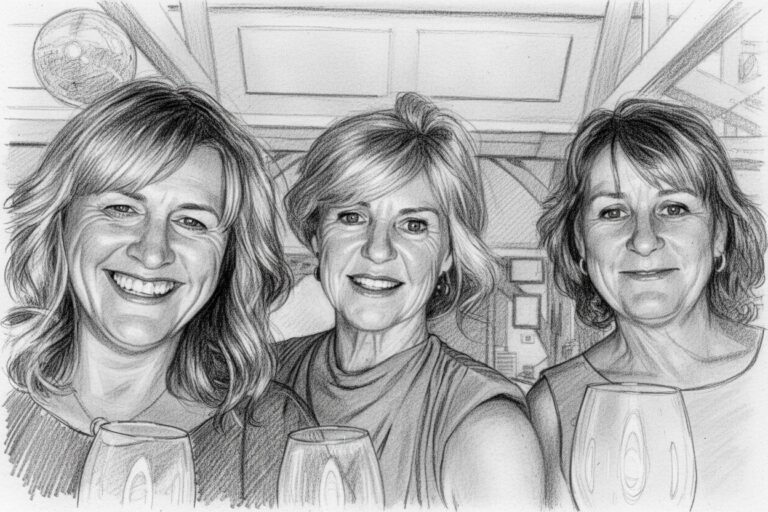
AI sketch experiences remain popular because they are flattering, quick to understand, and visually strong. Guests pose, the system interprets the image, and the result feels like a personalised keepsake rather than a standard photo. This works especially well where there is an appetite for portraiture and a more editorial finish.
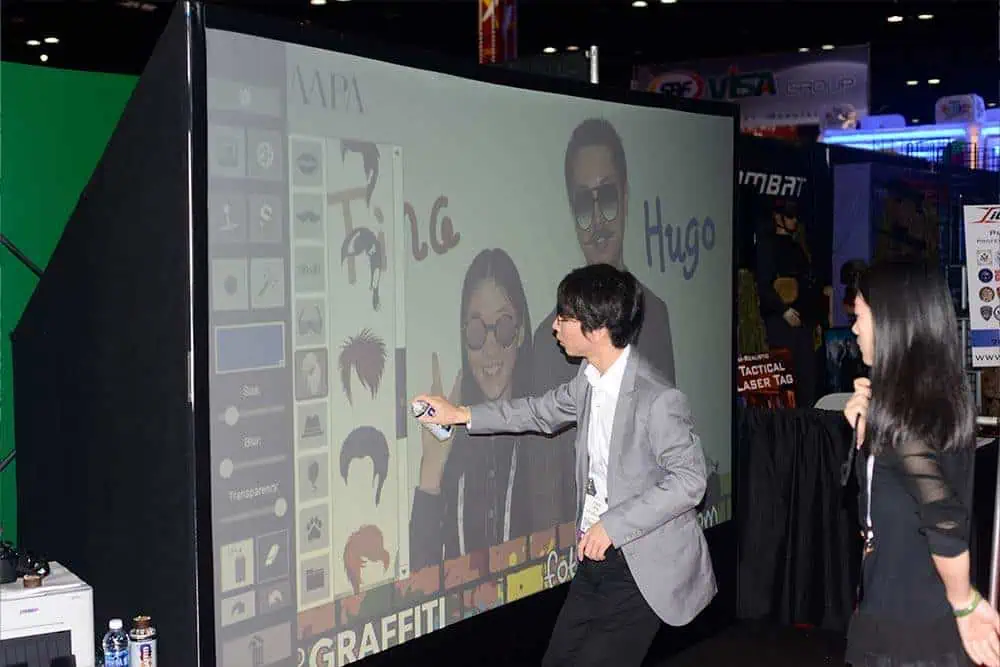
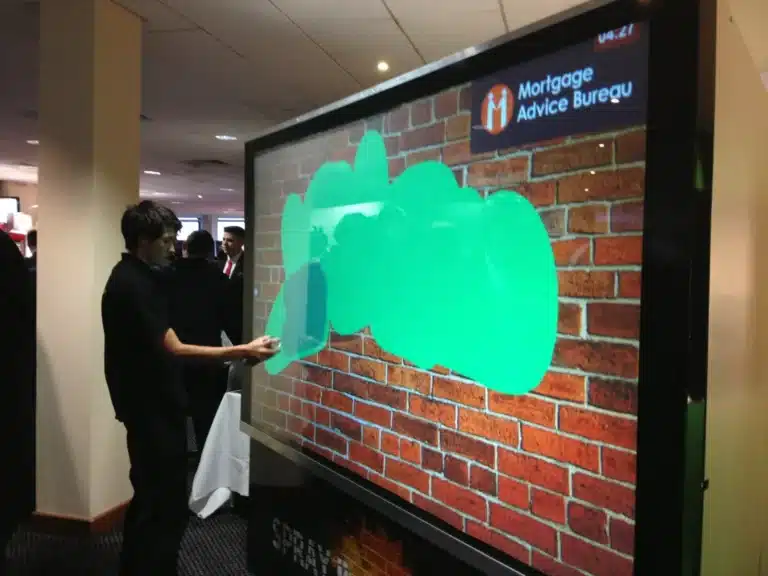
AI graffiti walls have a different energy. They are more performative, more social, and often better suited to parties and branded events where interaction needs to be visible from across the room. Guests become part of a larger visual moment, and the activation itself helps animate the event space.
Live mosaic concepts add another layer. Instead of each guest experience ending with an individual output, every contribution builds towards a collective artwork. That is particularly effective for company anniversaries, conferences, and celebrations where togetherness is part of the message.
What separates a premium activation from a forgettable one
The technology is only part of the story. Guests rarely remember the processing engine behind an activation. They remember how it looked, how it made them feel, and whether the result felt worthy of sharing.
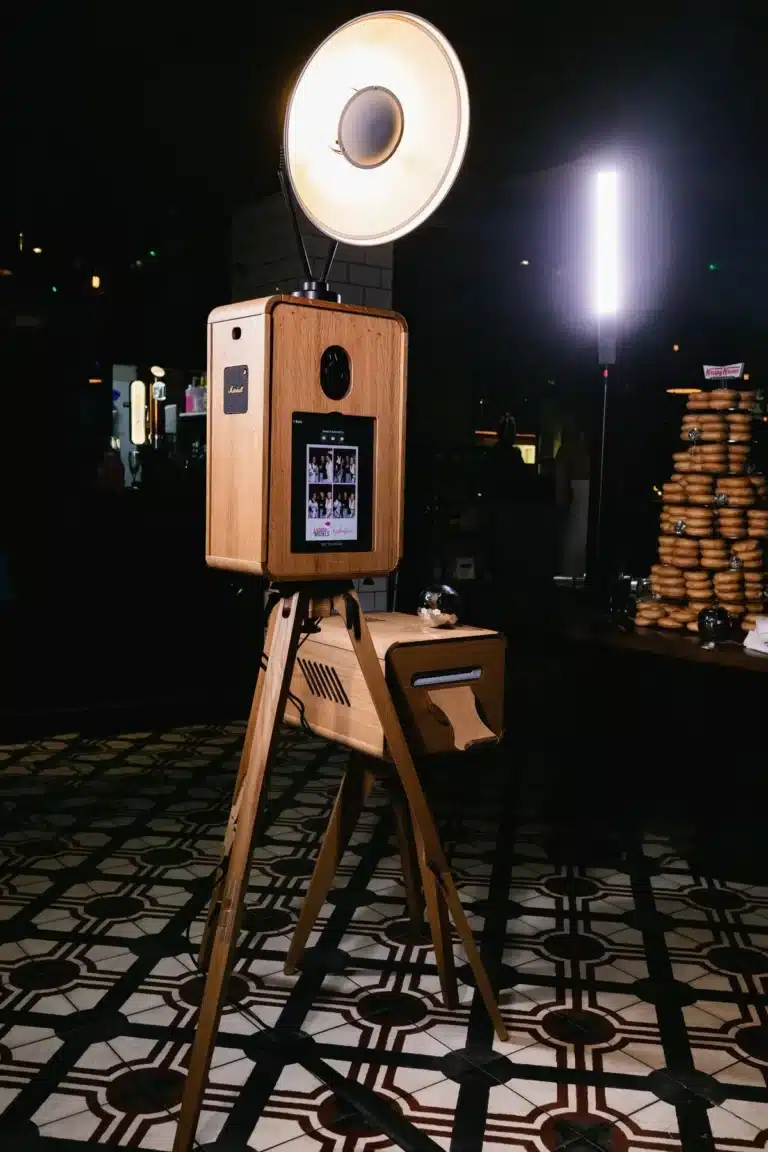
A premium AI art installation begins with design. The surrounding set-up should align with the event rather than distract from it. Materials, finishes, lighting, and interface all influence perception. At a luxury wedding, for example, an oak-crafted installation or elegantly styled station will feel far more at home than something visually harsh or overbranded.
Then there is image quality. If portraits are poorly lit, if outputs feel generic, or if the artwork style lacks taste, the activation falls short very quickly. Guests may engage once out of curiosity, but they are unlikely to treasure the result. In contrast, a beautifully rendered output has longevity. It is saved to camera rolls, posted to social channels, pinned to moodboards, and remembered after the event itself.
Hosting also plays a role. The most effective activations are thoughtfully managed, with calm, polished guidance that keeps the guest journey moving while preserving the sense of occasion. No one wants a beautiful installation undermined by clunky queuing or unclear instructions.
Planning the guest journey properly
One of the easiest mistakes is focusing on the novelty of the output and forgetting the flow around it. A guide to event ai art activations should always account for the full guest journey from first glance to final share.
Start with visibility. Guests should immediately understand that the activation is available and intriguing. If it is tucked away or poorly introduced, even the strongest concept can lose momentum.
Next comes ease of use. The interaction should be intuitive and quick enough to maintain interest, but not so rushed that it feels transactional. There is a balance to strike. A luxury audience still wants efficiency, yet part of the appeal is the sense of a personalised moment.
Finally, consider what happens after creation. Will guests receive a digital copy instantly? Is there a printed output with a premium finish? Does the result carry subtle event branding or wedding styling? These details shape whether the experience has a life beyond the room.
The trade-offs worth considering
AI art activations can be brilliant, but they are not one-size-fits-all. Some events call for a quieter visual language, while others benefit from a more theatrical installation. It depends on the venue, the demographic, and the role the activation is meant to play.
If your event is highly formal, an over-animated or overly playful AI style may jar with the setting. Equally, if your audience is energetic and socially driven, an understated portrait concept may not create enough buzz. The artwork style should match the mood of the event, not fight it.
There is also a practical consideration around footfall. High-volume events need activations that can handle steady demand without losing quality. More intimate occasions can afford a slightly slower, more curated experience. Neither is inherently better. The right choice comes down to pace and purpose.
For branded events, restraint is often underrated. Heavy-handed logos or obvious campaign overlays can reduce shareability because guests feel they are posting an advert. Subtle branding, by contrast, tends to perform better because the guest still feels central to the experience.
How to brief an event AI art activation well
A strong brief goes beyond asking for something interactive. It should define the atmosphere you want, the profile of your guests, and the visual standard the activation needs to meet.
Start with the setting. A black-tie corporate dinner in London requires a different treatment from a summer wedding in the Cotswolds or a high-energy launch party in Bristol. The same underlying technology can be adapted in very different ways, but only if the event team understands the desired finish.
It also helps to clarify the primary objective. Is the aim to create a standout focal point, encourage social sharing, give guests a keepsake, or generate branded content at scale? Many activations can do more than one thing, but there is usually one priority that should shape the creative direction.
Then think about visual references. Premium suppliers will often be able to tailor templates, artwork styles, and the surrounding presentation, so the more specific the brief, the stronger the final result. This is where a design-led partner makes a meaningful difference. The installation should feel bespoke to the event, not interchangeable from one booking to the next.
Why these activations continue to grow
The appetite for event AI art is not just about technology. It reflects a broader shift in what guests expect from live experiences. People want moments that are personal, participatory, and instantly shareable, but they also want them to look good. That combination is exactly where AI art activations can excel.
When executed well, they sit at the intersection of entertainment, design, and memory-making. For weddings, they offer a fresh way to create keepsakes without losing elegance. For brands, they turn engagement into content with a far more emotional hook than a standard photo opportunity. For both, they create a focal point that feels current without dating the event.
That is the real opportunity. Not to add technology for its own sake, but to choose an activation that feels unmistakably right for the room, the audience, and the standard of experience you want to be known for. The best event moments rarely shout. They simply hold attention, photograph beautifully, and leave guests talking long after the final glass is cleared.