
What Is an AI Graffiti Wall for Events?
Discover MooMuu’s AI Graffiti Wall: digital spray-can creativity, optional Line 2 Life transformations, branding and practical event planning.
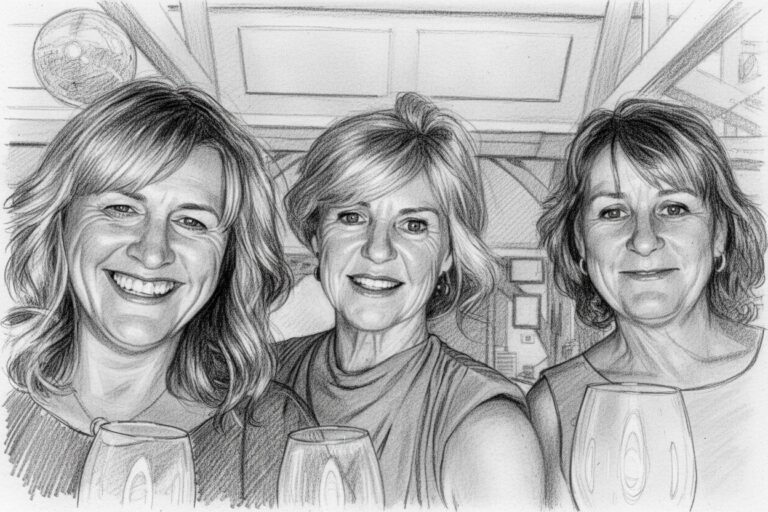
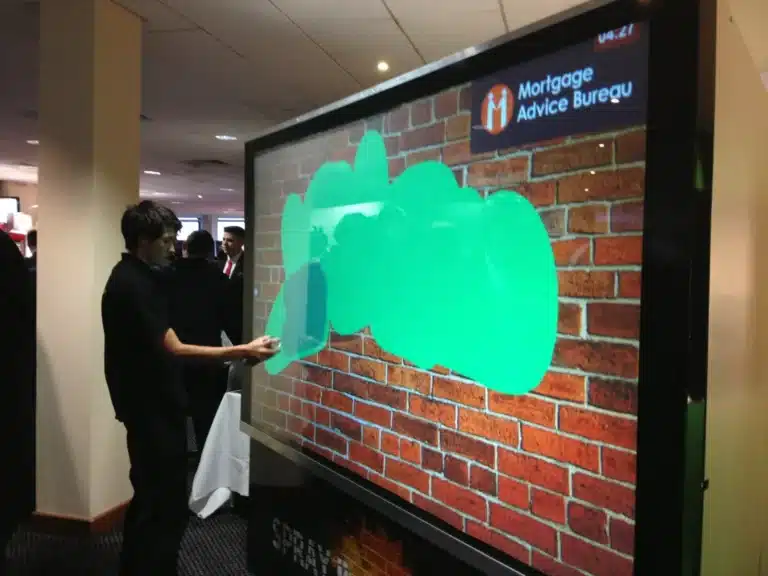
MooMuu’s AI Graffiti Wall is a large-format digital canvas that guests draw on using handheld digital spray cans and on-screen tools. They can sketch, add colour over photographs or create a shared artwork without physical paint. The optional AI Line 2 Life stage then reimagines a completed drawing in a selected visual style.
The digital graffiti activity and the AI transformation are two distinct stages. Guests can enjoy creating on the wall without using AI, or add Line 2 Life as part of the agreed experience. It is an invitation to make something, rather than simply pose for an AI portrait.
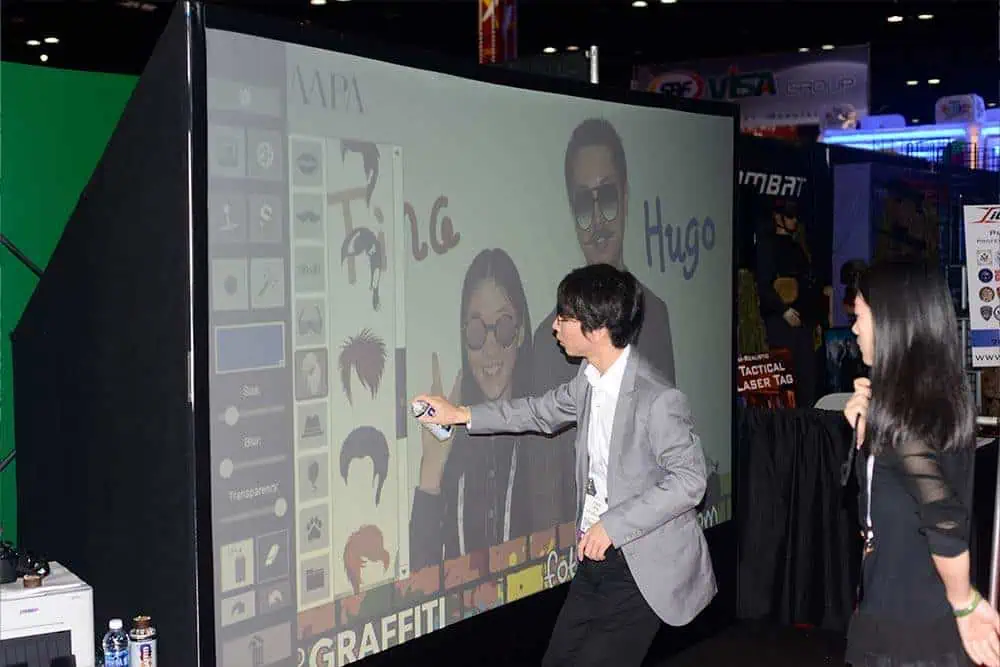
What happens at an AI graffiti wall?
A MooMuu technician introduces the digital spray cans, colours and creative tools. Guests draw directly on the canvas, individually or together, using a theme or prompt agreed for the event. The movement feels familiar, but the colour appears digitally on screen rather than as paint on a venue wall.
With Line 2 Life selected, the completed drawing is sent to a cloud-based AI service and returned as a more detailed visual in the chosen style. The completed drawing, rather than each individual stroke as it happens, is the input for this transformation. Agree whether guests will create individual pieces or collaborate on a canvas.
The guest’s drawing is the starting point for the AI interpretation. Results vary, so review examples and agree the creative direction before the event. A clear prompt and suitable style help guests understand the connection between what they draw and the finished image.
Why the format works at live events
The visible act of drawing gives both participants and onlookers something to enjoy. How long each turn takes depends on the activity, time spent creating and whether AI transformation is included. Plan realistic participation and queue space with MooMuu, rather than treating a fast AI result as the whole guest journey.
For corporate events, it can support guest engagement and dwell time in spaces that might otherwise be purely functional, such as exhibition stands, reception areas or conference breakouts. It also creates natural content capture moments. Guests often photograph the wall once their work appears, particularly when campaign creative, product themes or event messaging have been incorporated with care.
Unlike a conventional branded photo moment, the interaction is participatory rather than passive. Guests do not only stand in front of an installation; they alter it. For an experiential team, that provides a stronger connection between the audience and the brand experience.
It also works well where organisers want an activation to develop across the day. A wall that begins with a considered visual framework can become increasingly layered and energetic as guest participation grows. By the end of an event, it reflects the audience that was actually there.
AI graffiti wall design is more than a logo on a wall
The technology may be the conversation starter, but creative direction determines whether the installation feels considered. A successful wall needs a visual language that suits the event rather than a generic graffiti effect applied by default.
For a brand activation, the starting point may be campaign colours, typography, product forms, local references or a clear creative prompt. A sportswear launch might invite guests to create movement-inspired marks. A drinks brand could build a vivid illustrated scene around flavour, place or personal expression. At a trade show, the prompt might be tied to a question the brand wants visitors to answer.
This does not mean every inch of the wall needs overt branding. In fact, excessive logo placement can make participation feel like work. The strongest campaign creative gives guests room to express themselves while making the final piece unmistakably connected to the event.
For weddings and private celebrations, the approach is usually more personal. A couple may choose a colour palette that works with the room, a skyline with meaning to them, or a light-hearted prompt for guests to respond to. The visual treatment should sit comfortably alongside the wider event design, from florals and stationery to lighting and tablescapes. A sharply urban street-art look can be brilliant in the right venue, but it is not the only interpretation available.
Where an AI graffiti wall is most effective
This installation suits events where there is enough time and guest flow for people to notice, return and share the experience. It is especially effective at brand launches, exhibitions, staff celebrations, awards evenings, conferences and experiential pop-ups.
At exhibitions, placement is important. Positioning the wall at the edge of a stand can draw attention from the aisle, while the act of contributing provides a reason for visitors to remain longer and begin a conversation with the team. For larger conferences, it can work as a focal point during registration, drinks receptions or breaks, when guests have time to explore without missing programme content.
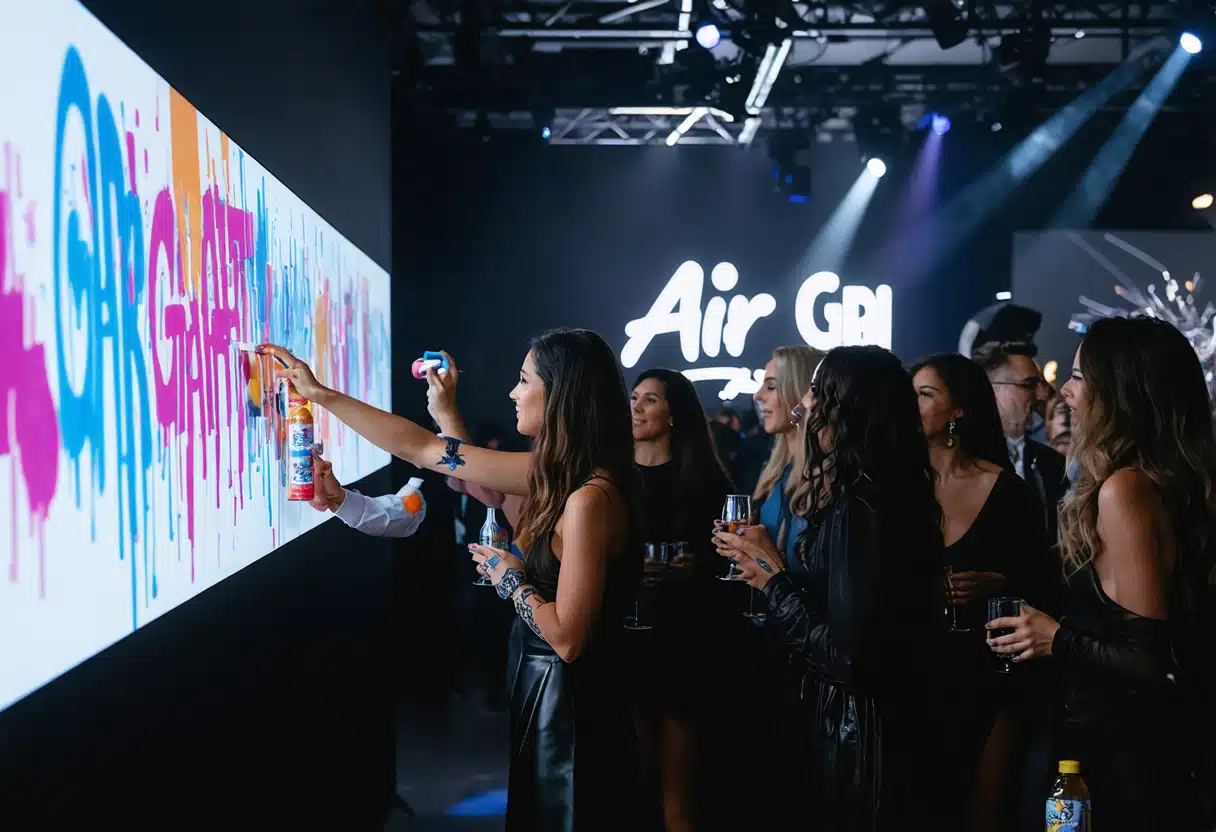
At private events, an AI graffiti wall is often best used during the drinks reception or evening celebration. It gives mixed groups something easy to do together and produces a collective artwork that feels more alive than a signing board. However, it needs enough visual space to breathe. In a tightly packed room, a large-format screen can become difficult to view and photograph properly.
The practical details that shape the experience
An AI graffiti wall should be planned as an installation, not treated as an afterthought. Screen positioning, ambient light, guest circulation and sightlines all affect the impact. A bright glass conservatory at midday will require a different approach from a low-lit exhibition hall or an evening reception in a warehouse venue.
A clear area in front of the wall is also essential. Guests need room to draw, watch the reveal and take photographs without creating a bottleneck. For high-footfall activations, an experienced event team will consider how quickly each interaction can be completed, whether there should be one or more creation points, and how a host can encourage participation while keeping the guest journey moving.
Content moderation deserves consideration too, particularly for public-facing events. A well-managed experience should have sensible safeguards and an on-site team who understand the brand’s boundaries. This is not about making the interaction restrictive; it is about ensuring the final wall remains appropriate for the setting and audience.
Power, access, screen positioning and lighting should be confirmed with the venue before booking. The Line 2 Life AI stage uses cloud processing, so discuss reliable connectivity when including it. Outdoor use requires a suitable covered, weather-protected setup and MooMuu’s approval; a blank wall alone is not an installation plan.
Is it right for every event?
Not necessarily. An AI graffiti wall works best when participation itself is part of the objective. If the brief is solely to produce individual portrait photographs, an AI portrait experience may be a better fit. If the event has very short guest dwell time, such as a fast-moving arrival moment, the interaction may need to be simplified or positioned later in the guest journey.
The visual style also needs to match the occasion. Graffiti-inspired does not have to mean loud, chaotic or heavily urban. It can be graphic, elegant, colourful, typographic or illustrative. But if an event calls for a quieter, more formal atmosphere, another interactive artwork format may feel more natural.
For brands, the most useful question is not whether AI is present. It is whether the activation gives people a worthwhile role in the campaign story. For private hosts, it is whether guests will enjoy making something together, rather than merely being entertained beside it.
MooMuu Experiential approaches the AI Graffiti Wall as a designed guest experience, with the creative treatment, pacing and event footprint considered from the outset. When those elements are right, the wall becomes more than a talking point: it becomes a living record of the room, made by the guests who brought the event together.
The most compelling brief usually begins with a simple prompt: what would you like people to add to the story? From there, the technology has a purpose, the creative has direction, and guests have a genuine reason to take part.
Plan your MooMuu Graffiti Wall experience
Explore the Graffiti Wall setup, creative options and practical details. Then tell us about your Graffiti Wall event, including your date, venue, guest numbers and whether you would like the optional Line 2 Life transformation.