
What Is an AI Portrait and How Does It Work?
What is an AI portrait? Learn how AI portrait experiences work at weddings, parties and brand events, from photography to guest journey and planning.
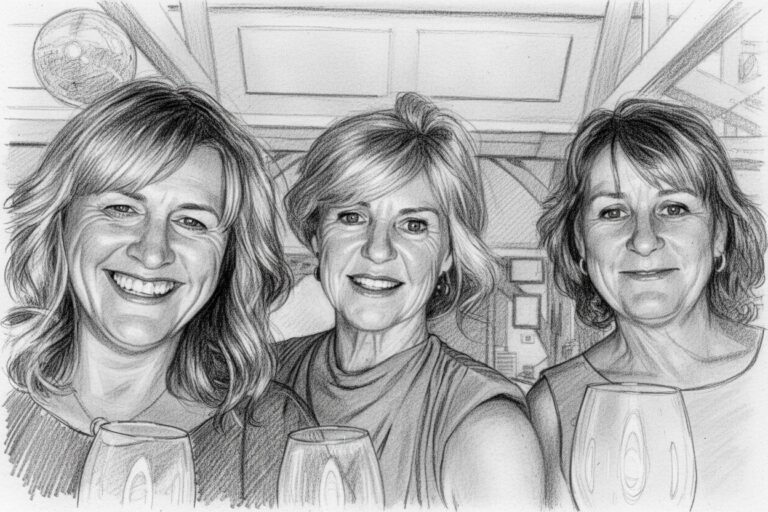
An AI portrait is a guest photograph reimagined in a selected creative style, such as an editorial scene, illustration or branded visual world. MooMuu’s AI Experience begins with a professional portrait, then uses cloud-based AI processing to create the transformation. The aim is to keep the guest recognisable, but results vary and are not an exact reproduction.
The appeal is immediate: guests leave with something more imaginative than a standard event photograph, yet it is still distinctly theirs. Done well, it feels less like a technical demonstration and more like a short creative encounter with a tangible outcome.

What is an AI portrait at an event?
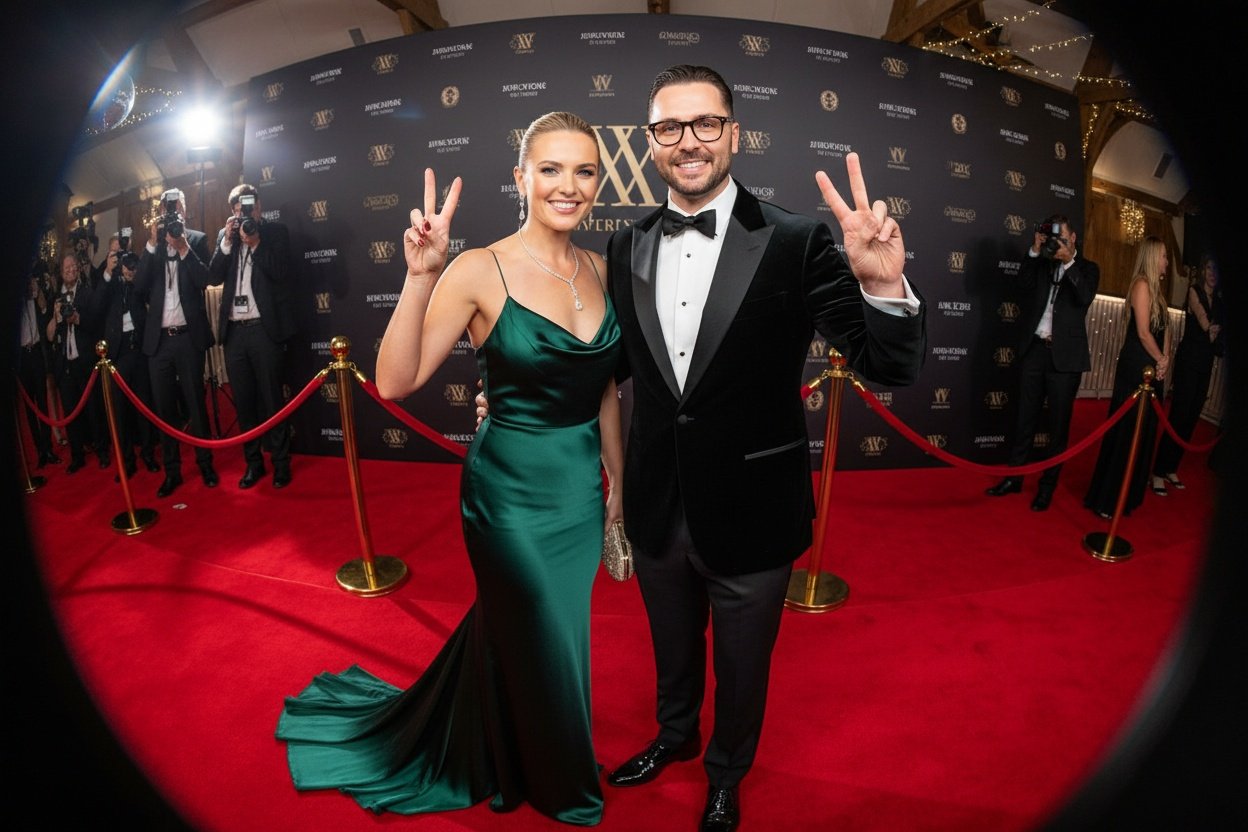
An AI portrait uses artificial intelligence to reinterpret a guest’s photograph according to a selected visual direction. The guest steps into a designed photo environment, has their portrait taken, then sees that image become part of a new composition. Depending on the experience, the finished piece may appear on screen, be printed on site, shared digitally or contribute to a larger installation.
The source image matters. Unlike a generic image generator, a live AI portrait experience is grounded in the guest’s real likeness, expression and pose. The technology then applies an art direction around it. A formal black-tie portrait might become a refined magazine-cover image; a conference attendee could appear in a future-facing campaign world; a party guest might choose an illustrated interpretation that suits the mood of the evening.
An AI transformation can change the setting, wardrobe and visual treatment more extensively than a conventional photo effect. That creative freedom also brings variation. A tested style provides direction, but it does not guarantee that every facial detail, accessory or pose will be reproduced exactly.
The guest journey is as important as the image
The strongest AI portrait installations are designed around a simple, intuitive sequence. Guests are welcomed into the experience, photographed with clear guidance, choose from a curated set of styles where appropriate, then watch as their artwork is created. That moment of anticipation is part of the entertainment.
At a busy event, clarity is essential. Too many style choices can slow the queue and make the result feel inconsistent. Too few can make the activation feel prescribed. The right balance depends on the event: a wedding may suit a small collection of complementary visual treatments, while a brand activation may require one tightly controlled creative route to protect campaign consistency.
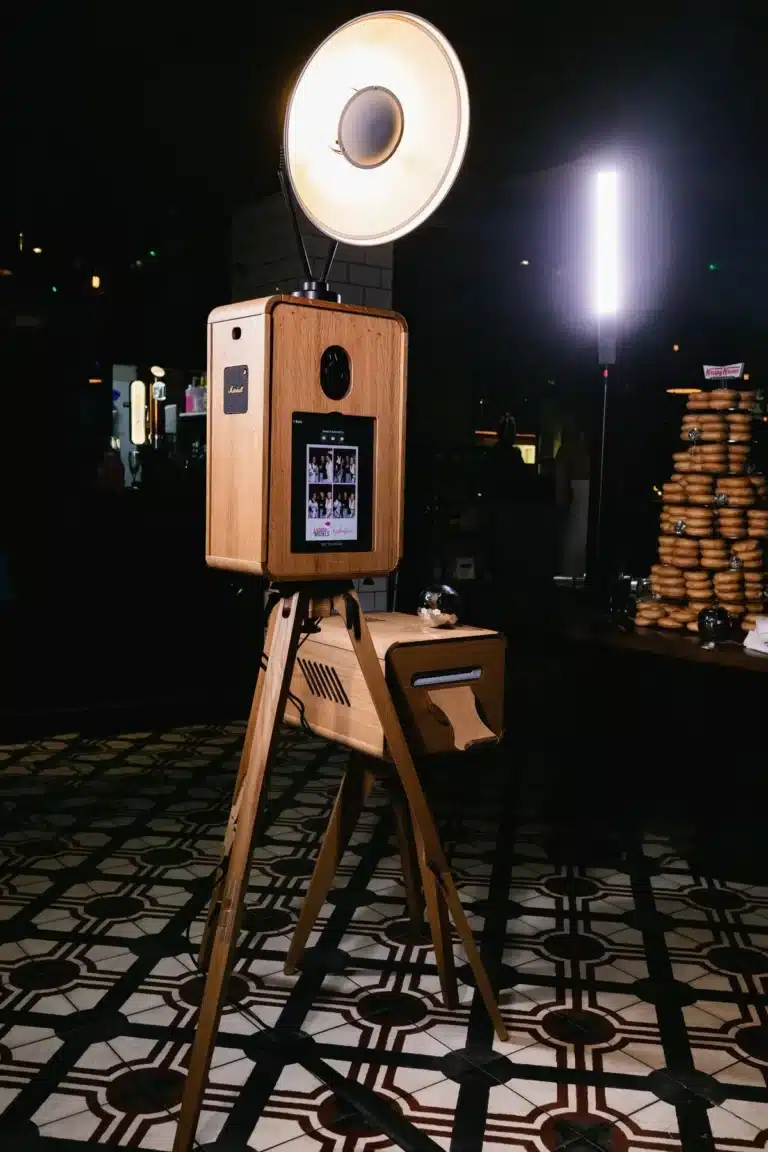
Presentation also changes the perception of the experience. Lighting, backdrop, screen design, print finish and the way guests receive their portrait all contribute to the result. An excellent generated image can lose impact if it is presented without care. Equally, a thoughtfully designed installation turns a few minutes of content capture into a polished part of the event footprint.
How AI portraits are created
Although the finished artwork can appear quickly, several elements need to work together behind the scenes. First comes a high-quality portrait photograph. Good lighting and a well-considered camera position help the technology read faces accurately and produce more flattering, consistent results.
The image is then processed through an AI workflow using a defined visual prompt or style model. This direction may specify the atmosphere, colour palette, composition, era, materials or creative reference points. For brand work, it can also be shaped around campaign creative, product worlds or a particular narrative.
MooMuu’s AI Experience reveals the transformed portrait and delivers it digitally, with prints available as an option. The separate AI Sketch Bot experience uses a robot to draw an illustration live on paper. Compare the two by what you want guests to watch and take away, rather than treating them as the same output.
Not every image will be identical in its interpretation. That is part of AI’s character, but it is also why professional oversight matters. Clear prompting, tested templates and a controlled portrait setup reduce unwanted variation and help the output remain faithful to the intended art direction.
Why professional photography still matters
AI does not replace the fundamentals of portraiture. A guest who is comfortably posed, well lit and photographed with care will usually receive a better result than one captured in a poorly lit, hurried setting. The technology is impressive, but it still benefits from a strong starting point.
This is particularly relevant at formal occasions. At a wedding, guests may be dressed for the photographs and expect to look their best. At a corporate event, the portraits may be shared on professional channels or retained as branded content. In both cases, camera quality, lighting and an experienced host make a visible difference.
AI portraits for weddings and private celebrations
For weddings, an AI portrait is often most effective when it complements rather than competes with the day. The couple’s main photography remains the record of the occasion. The AI experience gives guests a playful, elevated way to take home their own version of the celebration.
A style with longevity usually works better than a trend-led novelty. Think artful editorial portraits, soft painterly treatments or a visual world that nods to the stationery, florals or venue without attempting to recreate every detail. It should sit comfortably within the wider aesthetic, particularly if the experience will be visible during the drinks reception or evening party.
Private celebrations allow more freedom. A milestone birthday, anniversary or Bar or Bat Mitzvah can support a bolder theme, provided the portrait style remains flattering and accessible across generations. Hosts should also consider when guests will use it. A high-energy evening may suit quick digital reveals, while a reception with more time for conversation can accommodate a more considered installation.
AI portraits for corporate events and brand activations
For corporate audiences, the question is usually not just whether guests will enjoy it, but what role it plays in the event strategy. AI portraits can create purposeful guest engagement when the artwork gives attendees a reason to stop, participate and share. That can increase dwell time at a stand, create a talking point at a conference reception or give a launch event a clear content capture moment.
The visual direction should earn its place. A technology brand might use AI portraiture to place guests within an imagined future environment. A fashion, beauty or automotive campaign may favour a more editorial treatment that reflects the brand’s established visual language. The aim is not to put a logo on a generated picture and call it an activation. It is to make the guest the subject of a campaign world in a way that feels credible.
For larger events, operational planning is equally important. Consider expected guest volume, the available footprint, whether a queue will be visible, how many portrait styles are needed and whether digital delivery needs to include approved campaign messaging. These decisions affect throughput, staffing and the overall guest journey.
Choosing the right style and format
An AI portrait can be almost any visual treatment, which is precisely why restraint is useful. Start with the desired feeling, then choose a style that supports it. Is the event looking for polished editorial imagery, playful illustration, futuristic storytelling or a collectable artwork? One clear answer is more useful than a long list of disconnected options.
It is worth requesting examples that resemble the intended use case, not simply the most dramatic artwork. A style that looks compelling as a single social post may not work as a print, as a branded keepsake or across hundreds of guests. Test how it handles different ages, outfits, hairstyles and group sizes where these are likely to feature.
Group portraits deserve particular thought. Some AI workflows are best for individual or paired portraits, while others can support small groups. If the social nature of the event is central, this should be established early rather than assumed.
Privacy, consent and realistic expectations
Because AI portraits use a guest’s likeness, consent and data handling should be treated with the same care as any other photography activation. Guests should understand that their image is being captured and transformed, how they will receive it and whether it will be displayed publicly. For corporate events, this is especially relevant where brand teams, venues or agencies have their own data policies.
It is also sensible to set realistic expectations. AI is creative rather than perfectly literal. It may reinterpret details of clothing or accessories, and results can vary from one guest to another. This is not necessarily a flaw – it is often the source of the delight – but the chosen style should be tested so that variation feels intentional rather than accidental.
A successful AI portrait is not defined by the fact that it uses artificial intelligence. It succeeds when the technology gives guests a well-made, personal artefact and gives the event a moment people genuinely want to take part in.
Create your MooMuu AI portrait experience
See the AI Experience styles, delivery options and planning details. Then tell us about your AI portrait event, including your date, venue, guest numbers and creative idea. We’ll help you plan a suitable setup and tailored proposal.