
Photo Booth vs AI Photo Experience: Which Fits?
Compare MooMuu photo booths and AI Experience by portrait style, print options, staffing, connectivity and guest flow, with realistic expectations for AI.
Choose a photo booth when you want a portrait of guests as they appeared at your event. Choose an AI photo experience when the transformation is part of the attraction: a guest becomes the subject of a themed scene, creative treatment or campaign visual.
Both can suit weddings, celebrations and corporate events. The useful comparison is what guests do, what they receive and what the venue needs to provide. A new technology label alone does not tell you whether an experience fits your brief.
1. Understand the photographic difference
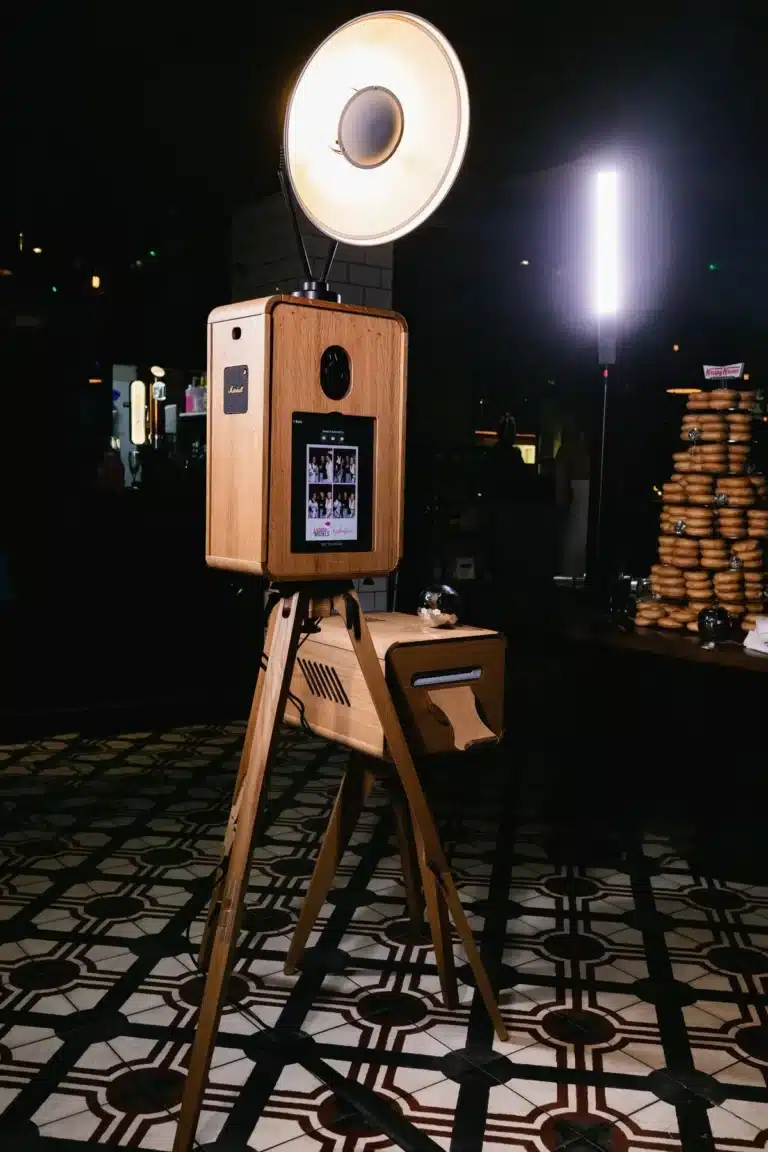
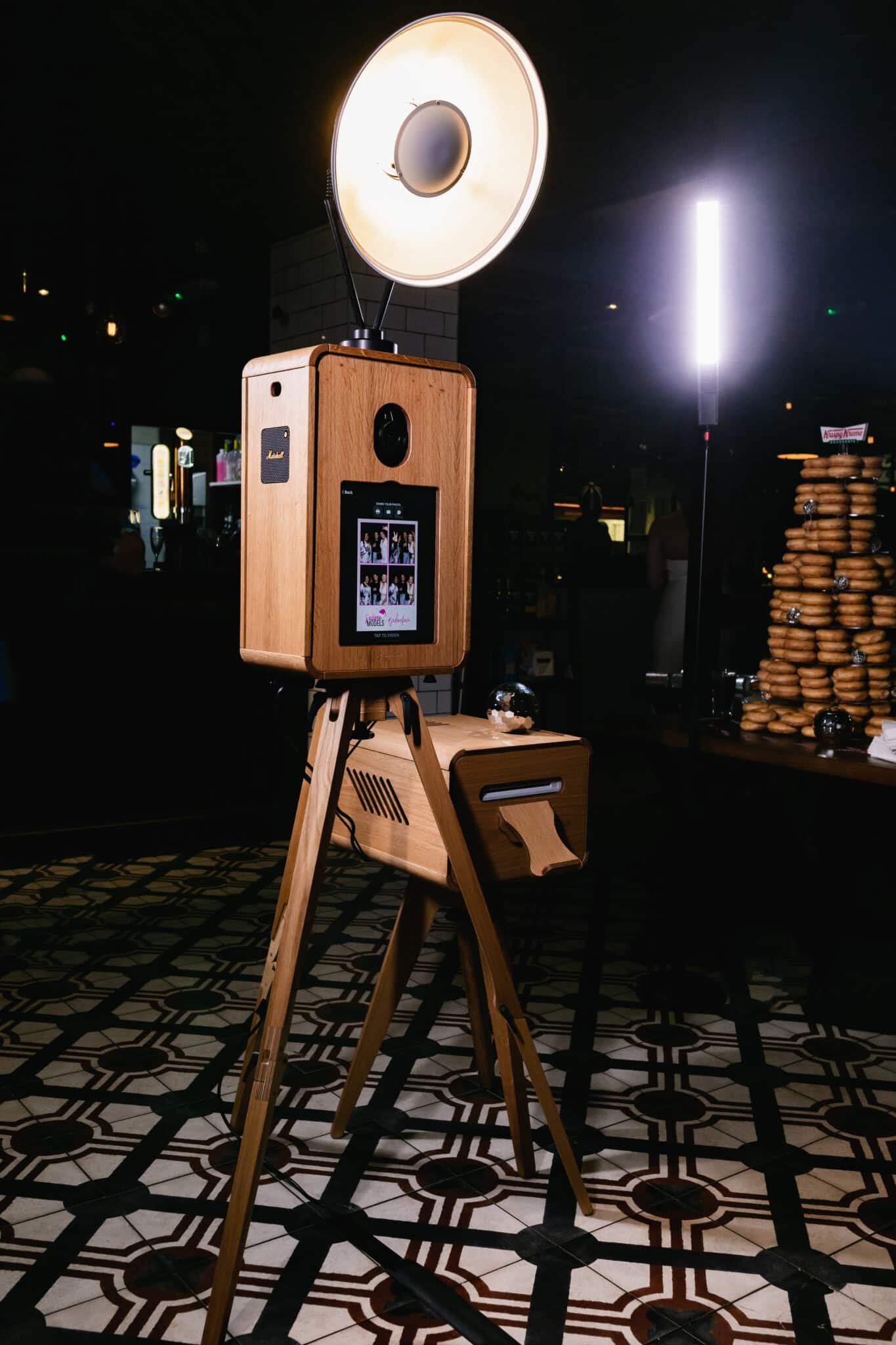
A conventional booth concentrates on the captured portrait, lighting and presentation. MooMuu’s ICON Booth and Luxury Oak Booth offer printed portraits and digital sharing. Signature GLAM Booth is a deliberate black-and-white photographic treatment, not a themed AI transformation.
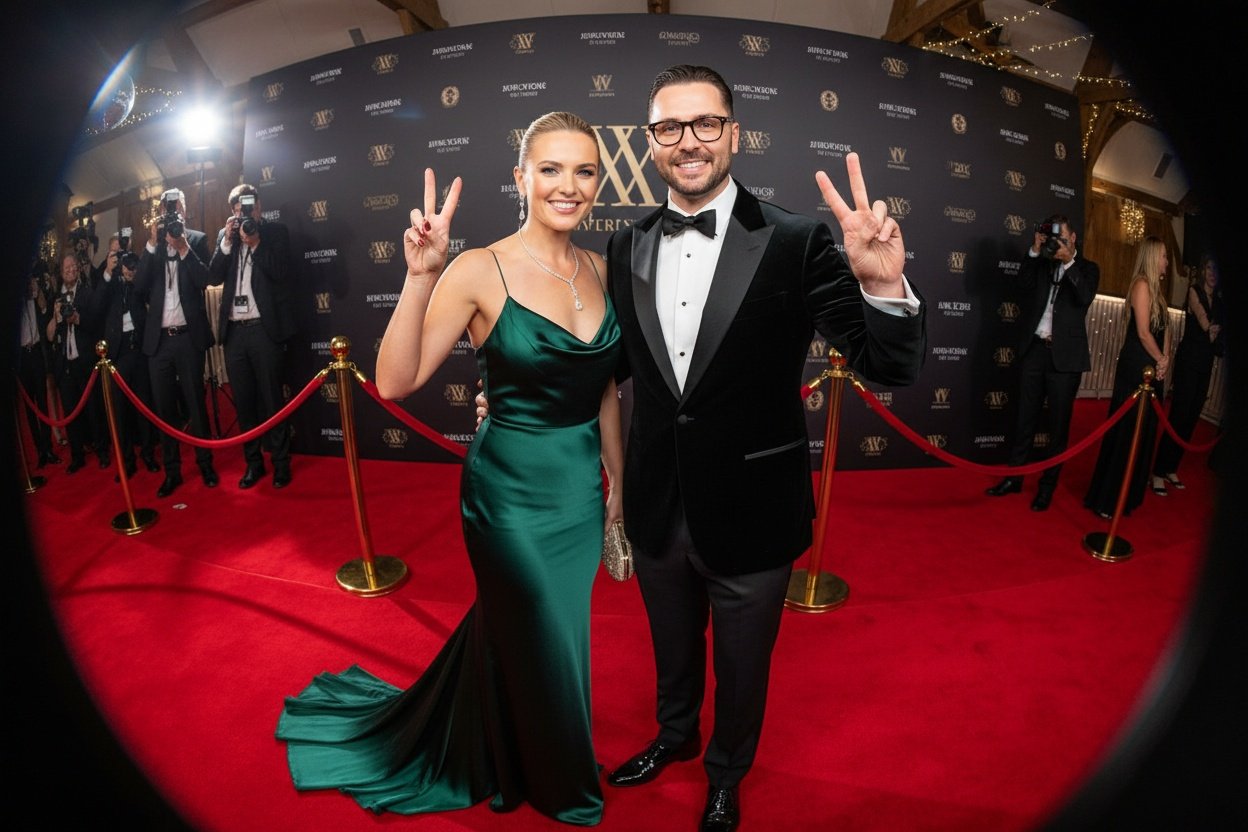
AI Experience starts with a guest photograph and reimagines it in a prepared visual style. MooMuu develops and tests styles with the aim of keeping guests recognisable, but results can vary and reinterpret facial details, clothing or accessories. Choose conventional portraits if accurately recording appearance is your main priority.
2. Confirm prints and digital delivery
Luxury Oak, ICON and Signature GLAM combine printed keepsakes with digital sharing. The separate Digital Booth is print-free and creates digital content. It is not a printing booth with the printer temporarily removed.
AI Experience delivers digital images, with printed keepsakes available as an option. Agree the original and transformed files, any printing, gallery access and delivery methods in the proposal. If you want a physical guestbook, include the book, extra photos and assistance explicitly rather than assuming every package provides them.
3. Give the creative treatment a purpose
For an AI activation, share the audience, event theme, campaign artwork and intended use of the finished images. A destination-inspired party, product world or editorial concept gives the treatment a clear direction. Review examples and approve the chosen styles before the event.
A conventional booth can also be personalised through print designs, screens and a coordinated backdrop. You do not need AI simply to add a name, date or logo. MooMuu does not supply props; discuss any additional scenic styling separately from the photographic package.
4. Plan staffing, connectivity and guest flow
Luxury Oak, ICON, Signature GLAM and AI Experience include a MooMuu attendant during the agreed operating period. The Digital Booth is normally self-service, with installation, testing and remote support arranged for the hire. Choose support to suit the guests as well as the output.
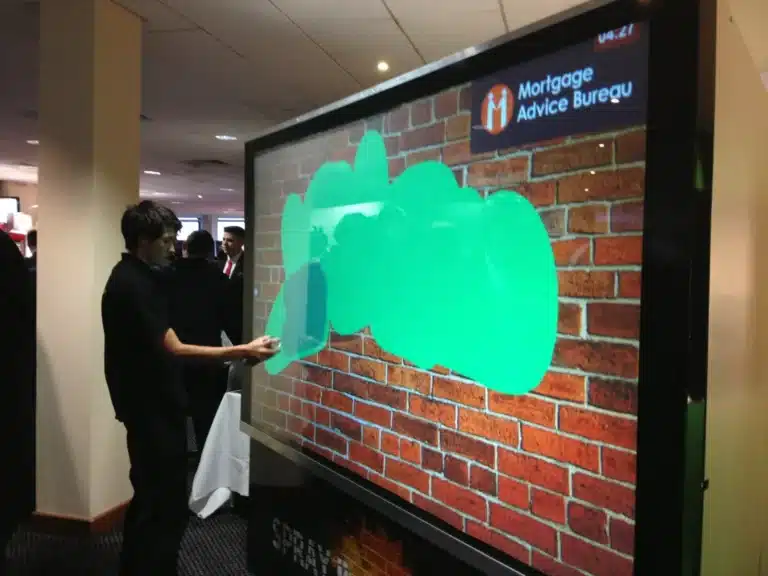
AI Experience normally needs reliable internet for processing and digital delivery. Its published transformation time is approximately 20–60 seconds; that is not the complete guest interaction or a guaranteed guests-per-hour rate. Posing, style choices, repeat attempts, sharing and optional printing affect the flow.
Share access details, power, connectivity and the running order. Confirm space for the selected equipment, posing, viewing and collection without obstructing the room. Allow setup time before the booked operating period.
5. Set a measurable business-event objective
For corporate events, decide whether you want portraits, campaign-themed content, conversations or another specific outcome. MooMuu can provide data capture: agree the fields, guest-facing explanation, intended use and reporting before booking. A submitted photo does not automatically provide marketing permission.
Neither format guarantees improved recall, sales or dwell time. Keep participation, photos delivered, public posts and follow-up enquiries separate. Our exhibition dwell-time guide covers planning and measurement considerations without treating a queue as proof of campaign success.
6. Keep AI Sketch Bots distinct
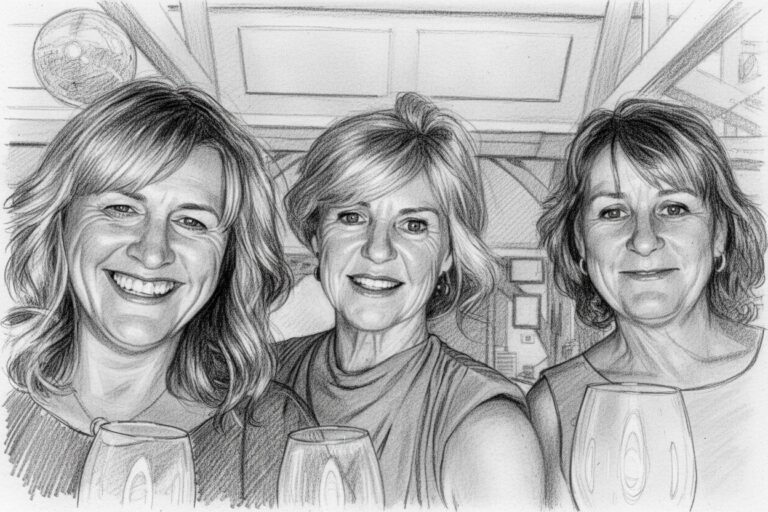
AI Sketch Bots are another experience: a guest photograph becomes an illustration that a robotic artist draws live as a physical keepsake. This is different from receiving an AI-transformed digital portrait or an optional photographic print.
If watching the drawing is part of your event idea, ask about the sketch style, bot configuration and collection plan. Do not apply the AI Experience’s transformation timing to the complete Sketch Bot process.
7. Shortlist around what matters most
Choose a conventional portrait booth for event photographs, Digital Booth for self-service digital content, AI Experience for an agreed creative transformation, or Sketch Bots for live robotic drawing. If you want more than one, explain the distinct role of each.
Bring your date, venue, guest numbers, operating window and desired keepsake to the enquiry. Ask to see relevant output examples and compare complete quotations, including staffing, branding, printing and delivery. The right choice should be clear before the booking is confirmed.
Choose the right MooMuu experience
Compare MooMuu’s photo booths and interactive experiences by guest journey and output. If you are still deciding, tell us about your event, including your venue, guest numbers and priorities, and ask us to recommend an option.