
What Makes an AI Portrait Experience Work?
Explore MooMuu’s AI portrait experience: creative styles, guest flow and digital delivery, with optional prints and practical advice for planning your event.
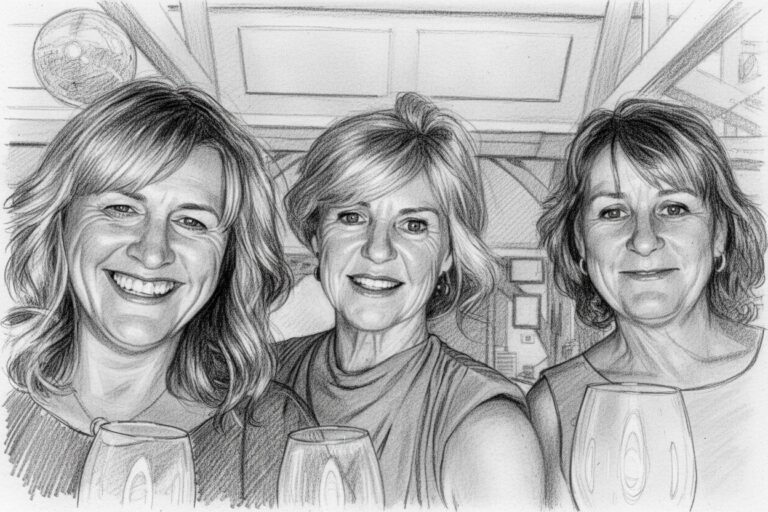
A well-produced AI portrait experience does more than place a guest’s face into an unusual scene. It creates a short, satisfying moment of participation: a professional portrait is taken, an imaginative visual treatment is applied, and a personalised image arrives quickly enough to become part of the conversation in the room.
That distinction matters. At a busy reception, conference or brand event, guests will not wait patiently for technology that feels unclear or unpredictable. The strongest AI portrait installations make the process obvious, the result flattering and the final artwork worth keeping. They are designed as an experience first, with AI playing a considered supporting role.

The guest journey is the real product
The technology may be sophisticated, but the guest journey should feel simple. A guest approaches an inviting installation, understands what they are being invited to do, has their portrait captured and chooses, or is guided towards, a visual direction. Within moments, they receive an image that feels personal rather than generic.
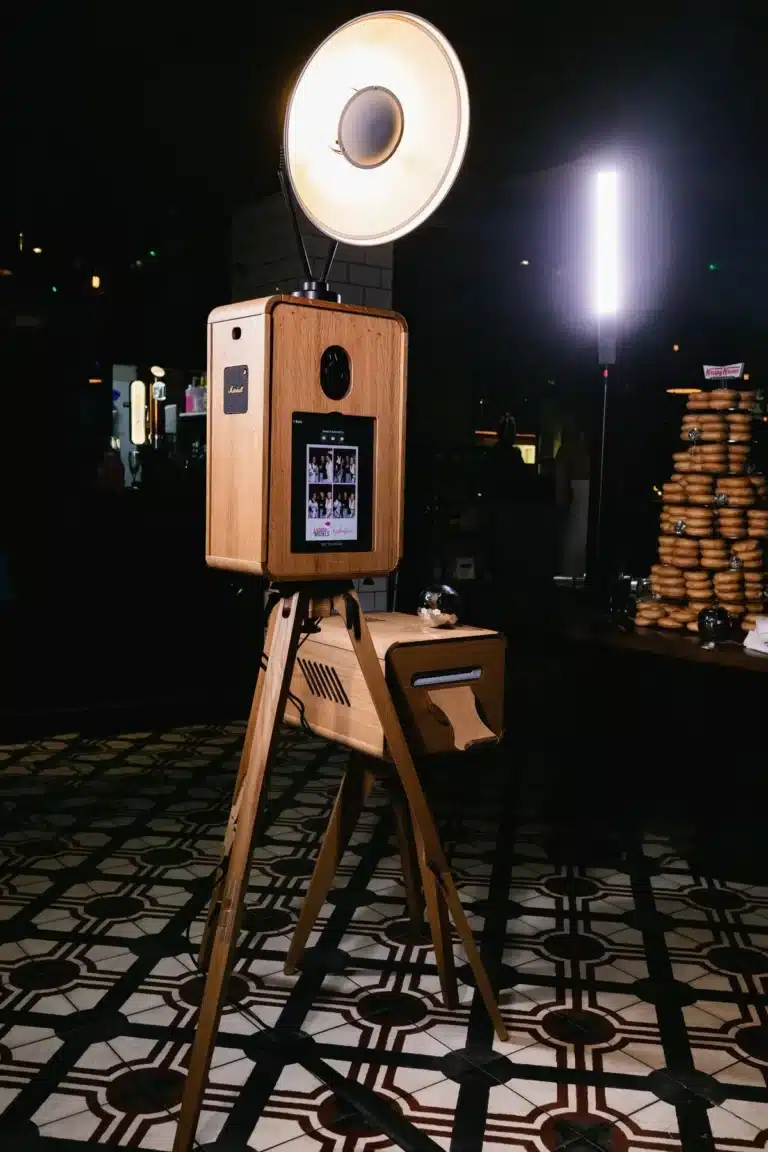
This is why professional photography remains central. AI can transform a portrait, but it cannot compensate for poor lighting, an awkward pose or a rushed capture. The starting image needs to be carefully lit and composed, particularly where the output will be displayed on a large screen, printed as a keepsake or shared across social channels.
A thoughtful host presence also changes the experience. At private celebrations, guests may need gentle encouragement to take part, particularly early in the evening. At a corporate activation, a knowledgeable attendant can explain the creative concept, maintain a steady flow and help ensure every interaction feels aligned with the brand.
Why the creative direction matters more than novelty
There is no shortage of AI visual styles. That does not mean every style belongs at an event. The most effective concepts begin with a clear creative question: what should guests feel when they see their finished portrait?
For a fashion-led awards dinner, the answer may be polished editorial imagery with a strong visual silhouette. For a drinks launch, it might be a world that borrows from the campaign creative without simply reproducing its artwork. At a wedding, the right approach is often more restrained: a romantic illustration style, a period-inspired portrait or a setting that complements the couple’s stationery and décor.
The aim is cohesion. If the AI output bears no relationship to the room, the occasion or the wider visual identity, it can feel like a separate attraction rather than part of the event. A considered treatment should sit comfortably alongside the backdrop, printed materials, screen graphics and, where relevant, the brand’s campaign language.
Choice also needs managing. Offering too many themes can slow the interaction and lead to uneven results. A small set of clearly different directions usually gives guests enough agency while preserving pace. For high-footfall events, one focused visual concept can be the stronger decision, especially when it supports a defined activation message.
Flattering results are not an accident
AI portraiture requires creative testing before the event, not just confidence that a prompt will produce something interesting. Faces, hairstyles, glasses, headwear and group shots all need consideration. Some visual treatments work beautifully for an individual portrait but become less convincing when friends join the frame.
MooMuu develops and tests AI styles with the aim of keeping guests recognisable within the creative treatment. Results vary, so an AI portrait is an interpretation rather than an exact reproduction. Review examples that suit the intended audience, including any planned group portraits, before agreeing the final direction.
Planning an AI portrait experience for a corporate event
For brand and corporate events, an AI portrait installation should earn its place within the event footprint. It can support guest engagement, content capture and dwell time, but only when it has a clear role in the wider guest journey.
At an exhibition stand, for example, the experience may be used to draw attention from the aisle and create a reason to pause. The artwork can introduce a product world, future-facing theme or campaign creative in a way that feels participatory rather than promotional. At an internal conference, it may offer a more social counterpoint to the formal programme, bringing colleagues together around a shared piece of content.
Branding needs a light touch. Guests are more likely to share an image that feels visually considered than one dominated by logos. A subtle lock-up, an on-brand frame, a carefully designed delivery screen or a branded gallery can provide recognition without overwhelming the portrait itself. The best branded content gives the guest something they genuinely want, while still making the association clear.
Operational planning is equally important. Consider when the installation will be busiest, whether it should be positioned close to registration or later in the event, and how it will work alongside catering, speeches and other entertainment. If content capture is a campaign objective, decide in advance what permissions, delivery methods and reporting are appropriate. These details should be resolved as part of the production plan, rather than improvised on site.
A different role at weddings and private celebrations
At weddings, the measure of success is less about campaign reach and more about atmosphere. An AI portrait experience works best when it feels like a natural extension of the celebration, not a technical demonstration competing with the dancefloor, dinner or conversation.
Timing is often decisive. During the drinks reception, it can give guests something engaging to do while photographs and room turnarounds take place. In the evening, it becomes a sociable focal point once the formal parts of the day have passed. There is no universal answer: a smaller wedding may benefit from a shorter, well-timed appearance, while a larger celebration can sustain an installation throughout the evening.
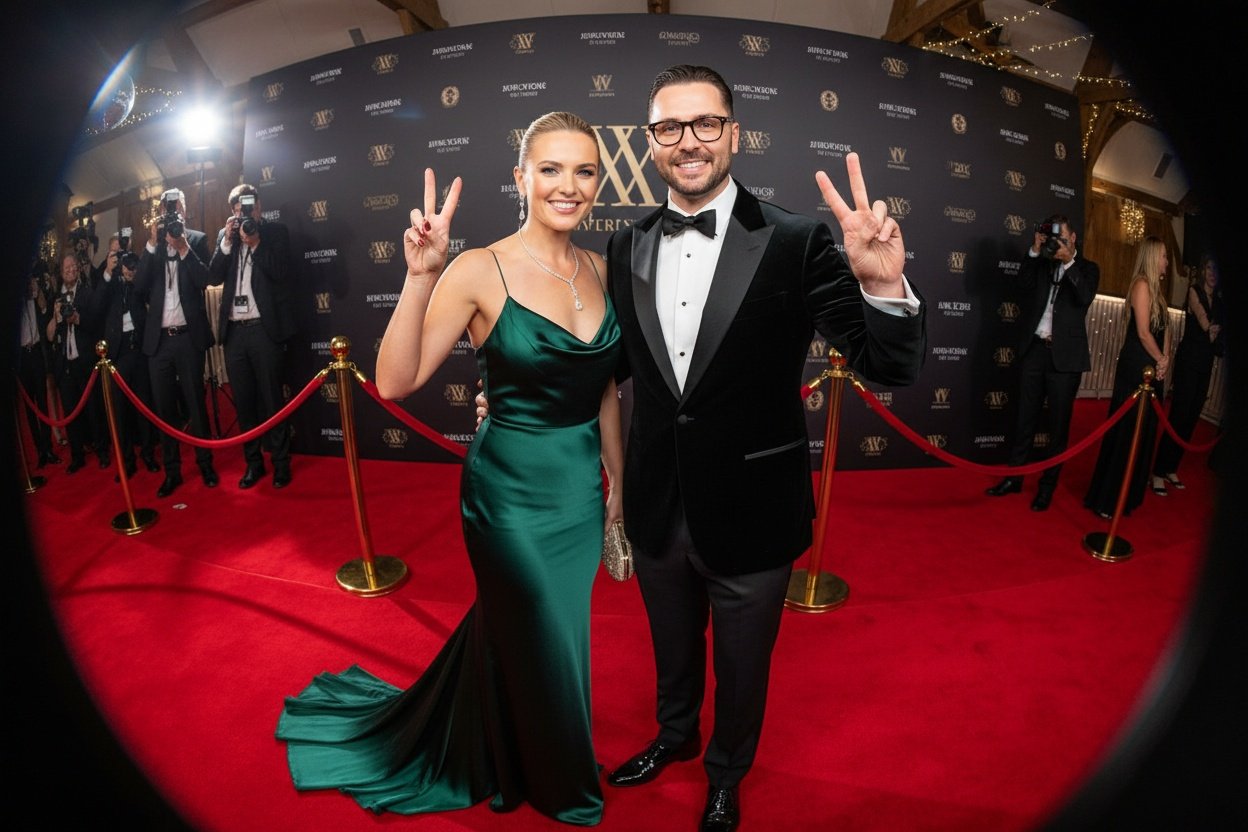
Couples should think about what they would actually like to receive. Digital images are easy to share and revisit, while prints introduce a more tactile moment that guests can take away. A gallery can also become a lovely record of the personalities in the room, from grandparents and school friends to colleagues and younger guests.
The visual style should support the occasion without becoming overly literal. A beautifully finished portrait treatment can feel more enduring than a novelty theme chosen simply because it is available. Good design ages well.
Practical details that shape the result
Behind an effortless guest experience is careful event planning. An AI installation needs enough space for guests to approach comfortably, a clear line of sight and room for any queue to form without blocking a bar, entrance or circulation route. It should be visible, but not placed where guests feel exposed while posing.
Reliable connectivity and power are part of the conversation, particularly at temporary venues, historic buildings and outdoor structures. A professional supplier should assess the site requirements in advance and have a sensible plan for the conditions on the day. Delivery speed matters, but so does keeping the experience moving if the venue’s connection is less straightforward than expected.
Agree the output before production begins. MooMuu’s AI Experience provides digital portraits, with printed keepsakes available as an option. Delivery can use QR code, email or SMS depending on the setup. Any live display, gallery or connection to another installation should be discussed separately rather than assumed to be included.
Privacy deserves the same level of thought. Guests should understand how their image will be used and how it will be delivered, particularly at public-facing brand events. Clear, proportionate communication helps people participate with confidence. The experience should never make guests feel that they have unknowingly surrendered control of their image.
The value is in the moment, not just the image
A portrait is the tangible result, but the wider value lies in what happens around it. Friends compare their transformations. Colleagues return with another team member. Guests who might not naturally join an activity find an easy reason to participate. For a brand, that social energy can extend the dwell time around an activation. For a celebration, it creates a small shared memory within a much larger day.
MooMuu Experiential approaches AI portraiture as a designed installation rather than a novelty feature. That means considering the photography, creative treatment, guest flow, physical presentation and final delivery as one connected experience.
The most successful events do not use AI simply because it is current. They use it because the portrait it creates belongs to the occasion, gives guests a genuinely enjoyable role to play and leaves them with something they are pleased to keep.
Create your MooMuu AI portrait experience
See the AI Experience styles, delivery options and planning details. Then tell us about your AI portrait event, including your date, venue, guest numbers and creative idea. We’ll help you plan a suitable setup and tailored proposal.