
How to Increase Dwell Time at an Exhibition Stand
Plan exhibition dwell time with MooMuu: choose an experience, improve guest flow and measure meaningful conversations rather than queues.
To increase dwell time at an exhibition stand, give visitors a clear reason to stop, an enjoyable activity and a useful next step. For MooMuu activations, that might mean watching a robot draw their portrait, contributing to a shared mosaic or creating a branded photograph before meeting your team.
Dwell time measures time spent, not attention or buying intent. A visitor waiting in a slow queue may stay longer than someone having a valuable conversation. Plan for meaningful participation, then measure whether it supports your exhibition objective.
Make the invitation easy to understand
Decide what a passer-by should notice, do and receive. Show a finished portrait, a sample drawing or the mosaic taking shape. Use a short invitation that connects the activity to your campaign, with a host or clear instructions explaining how to join.
Position the experience where it can be seen without blocking the aisle, product demonstrations or meeting space. The operational footprint includes guests, collection and queue space, not just the equipment. Agree access, seated participation and assistance needs before finalising the stand layout.
Choose a MooMuu experience that fits the interaction
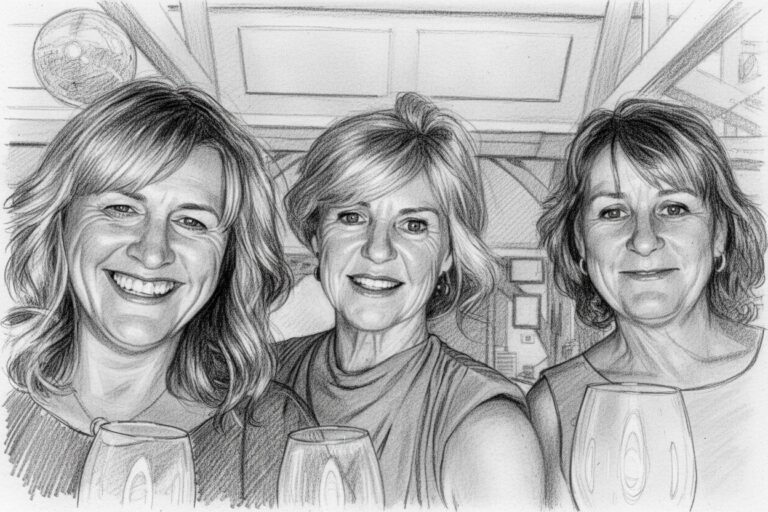
- A portrait to watch being made: AI Sketch Bots turn a guest photograph into an illustration that a robot physically draws on paper. The drawing process creates a natural talking point; plan collection and queue management around the chosen style and available time.
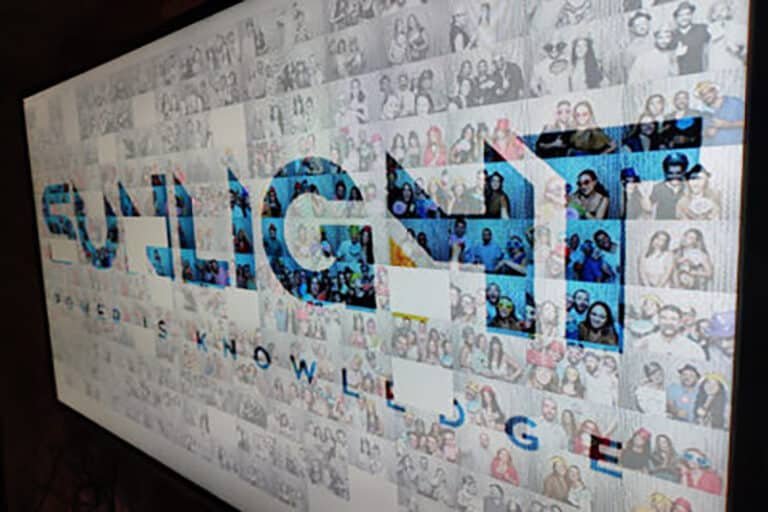
- A shared physical picture: Mosaic Wall Live includes an ICON Booth. A guest keeps a photo print while a second coded photo tile contributes to the wall. Agree the tile quantity, operating period and completion plan in advance.
- A screen-based collective image: the separate Digital Mosaic accepts uploads through a QR code or link, including remote contributions. Confirm the display, internet connection and moderation arrangements; it is not the physical printed wall.
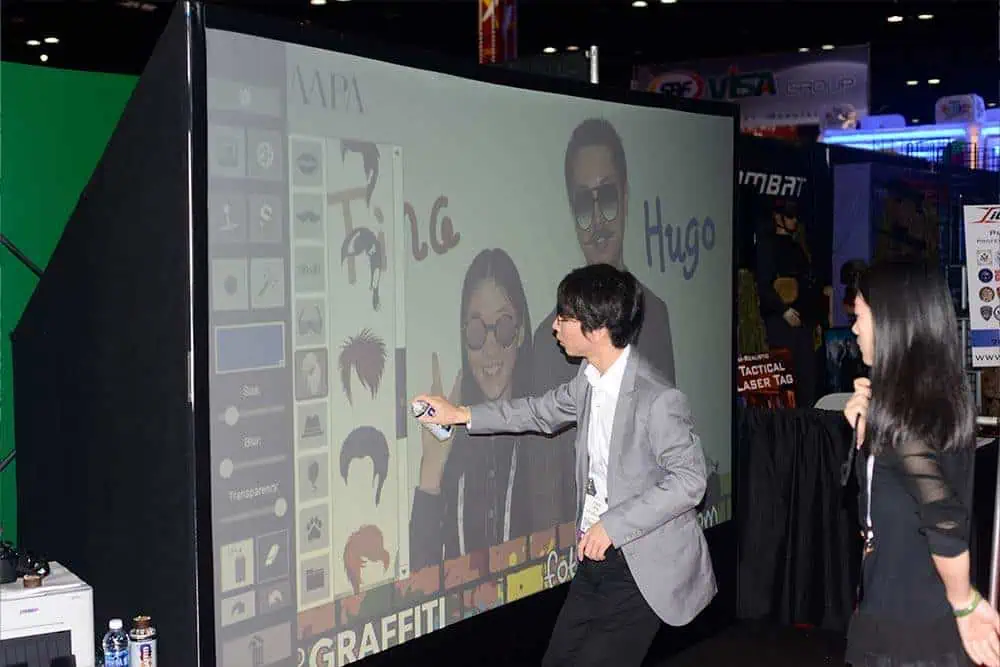
- A creative hands-on activity: the AI Graffiti Wall uses digital spray cans and on-screen tools, with optional AI transformation. Guests create digital artwork without real paint.
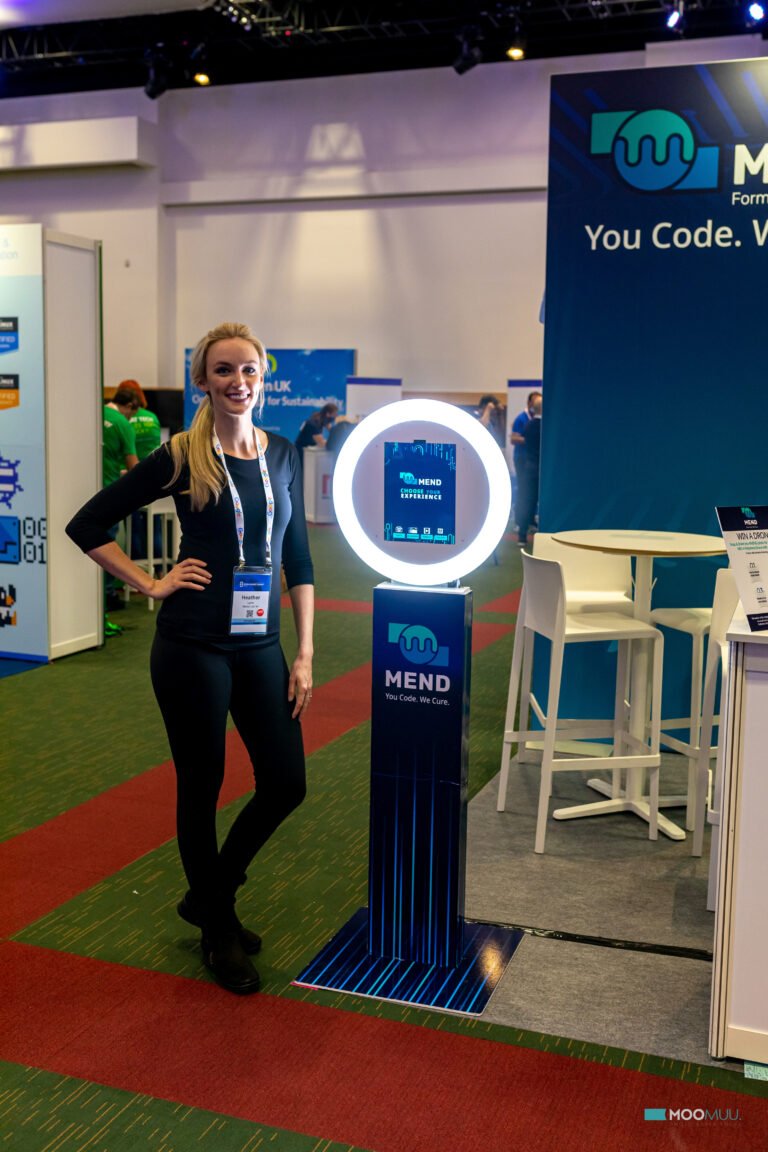
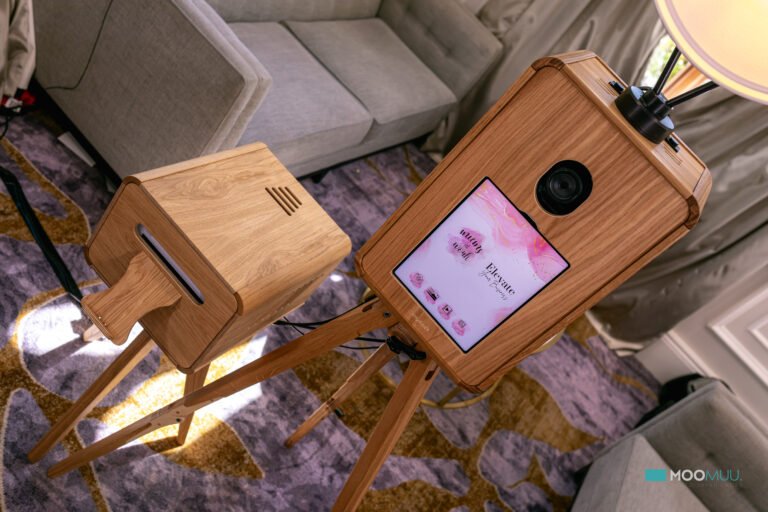
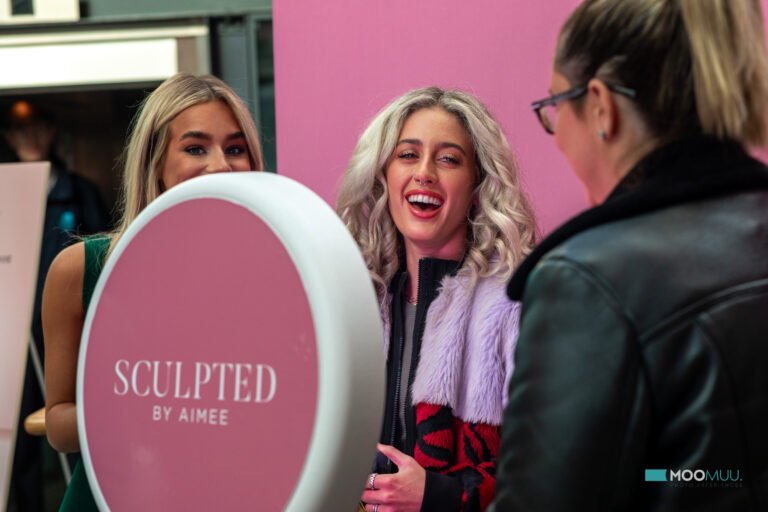
- A branded photo moment: the hosted ICON Booth offers a familiar route to guest photographs and keepsakes. Agree the template, print format and digital delivery with your package.
If you want self-service photographs, GIFs, boomerangs or short videos, consider the Digital Booth. It is print-free and does not normally include an on-site attendant. Plan a stand-team welcome if you want someone to guide guests into a conversation.
Build a journey from participation to conversation
Map five stages: notice the activity, understand the invitation, take part, collect the result and choose a next step. Keep each stage clear. Tell visitors approximately how the activity works and where to collect their output, without promising a fixed waiting time that the live queue cannot support.
Give your team a specific role. MooMuu’s agreed experience support and your product or sales conversations are different responsibilities. A host might explain the activity; your colleague can ask what brought the visitor to the show and offer a relevant demonstration or meeting.
Do not assume everyone wants a sales conversation. A friendly invitation to learn more is enough. For additional planning, see our exhibition activation ideas.
Remove friction before adding more features
Keep any questions short, signage readable and the collection point separate from the start of the activity. Check power, venue Wi-Fi restrictions, setup access and the operating schedule. Agree what happens if connectivity interrupts digital delivery.
Discuss peak footfall rather than relying only on a daily visitor estimate. The same stand can be quiet during talks and busy between sessions. A longer queue is a prompt to review staffing or guest flow, not evidence that the activation is working better.

Optional data capture needs its own plan. Asking for an email address to deliver a photo does not create automatic permission for marketing. Agree the available fields, guest information and follow-up permissions before the event; our corporate data-capture guide explains the distinction.
Measure useful engagement
Choose a few measures you can actually collect: completed interactions, relevant conversations, requested demonstrations or meetings, and guest feedback. If you measure dwell time, distinguish active participation from waiting and record how the sample was taken.
Keep the counts honest. A photo download is not proof of a public social share. A mosaic tile is not necessarily a unique attendee. A participant is not automatically a qualified lead. Agree available reporting with the selected setup and use your own team to record sales outcomes.
Review the invitation and queue during the show. Afterward, compare the results with the original objective and note what you would change next time. No activation can guarantee a dwell-time uplift or a particular number of bookings.
Plan your exhibition guest journey
Send us your exhibition date, venue, stand dimensions, expected footfall, operating hours and campaign aim. We can help shortlist a suitable experience and clarify branding, guest flow and the proposed support.
Request a tailored corporate proposal or compare corporate experiences. For a wedding or private celebration, tell us about your event.