
How Many Guests Can Use a Photo Booth in an Evening?
Plan photo-booth capacity using available time, sessions, group size and repeat visits, with a worked example and practical questions for your event.
There is no single guests-per-hour figure that applies to every photo booth or event. The useful estimate depends on the chosen experience, the time guests are actually free, group size and repeat visits. Start with your running order, not just the total number of people invited.
A busy booth does not necessarily mean every guest has participated. Equally, a group photograph can involve several people in one session. The steps below help you brief MooMuu and understand what a capacity estimate really means.

1. Count usable time, not just booked hours
Identify the windows when guests can visit: a reception, selected breaks or the evening party. Remove time when speeches, dinner or another activity needs their attention. Installation and breakdown are separate from guest operating time.
Also identify peaks. A long hire with two short busy breaks is different from a steady flow throughout the evening. Share day and evening guest numbers, arrival times and the moments when large groups will become free together.
2. Separate sessions, participations and unique guests
- Session: one visit through the agreed photo experience. Several captures within that visit do not automatically mean several sessions.
- Participations: the people involved across all visits, including repeats.
- Unique guests: different individuals who took part, counted only once.
If the same six friends return for a second session, that is two sessions and twelve participations, but six unique guests. Do not use print totals or shared files as a substitute for these measures.
3. Use an estimate with explicit assumptions
As a starting model, divide usable minutes by the agreed average session time. Then multiply sessions by the assumed average group size to estimate participations. Ask MooMuu to help choose realistic inputs for your selected setup.
Illustration only, not a MooMuu capacity promise: 120 usable minutes divided by an assumed three-minute average gives 40 sessions before any contingency allowance. At an assumed average of three people per session, that is 120 participations, not necessarily 120 unique guests.
Those are example assumptions, not published booth rates. Allow for interruptions, guest assistance and uneven demand before using an estimate to plan an event. Keep participation optional rather than promising that everyone will take part.
4. Plan around the actual experience
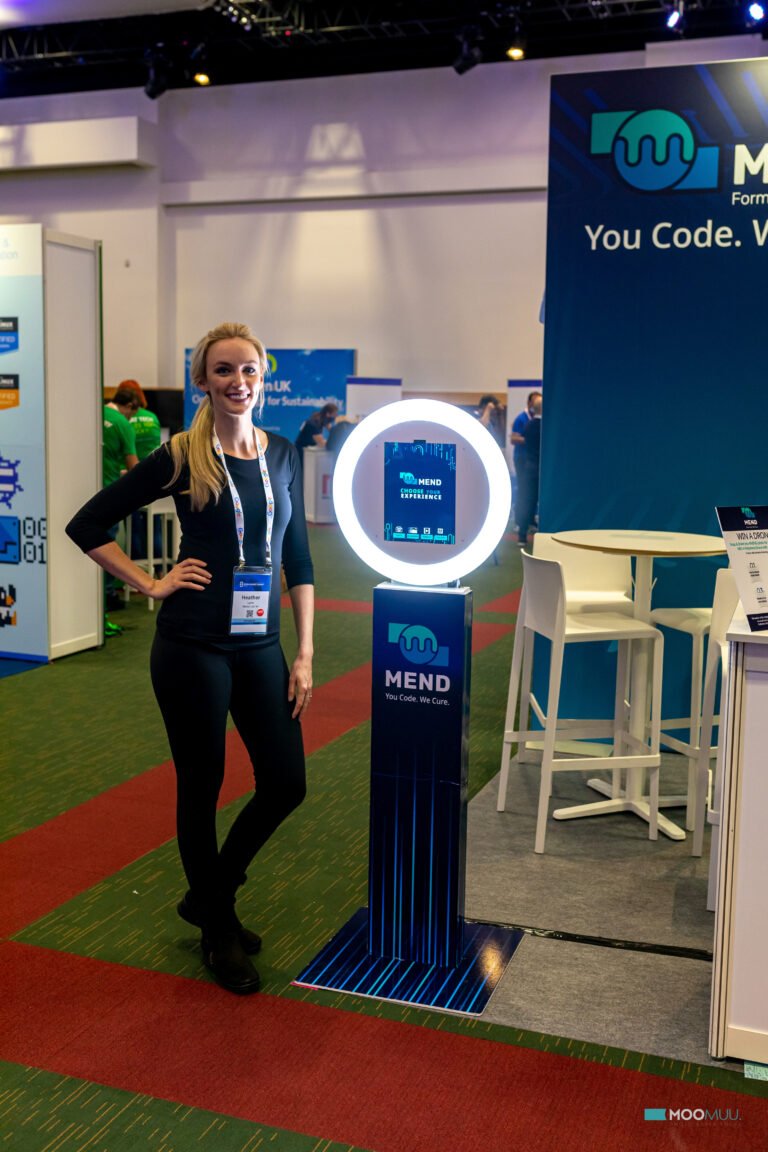
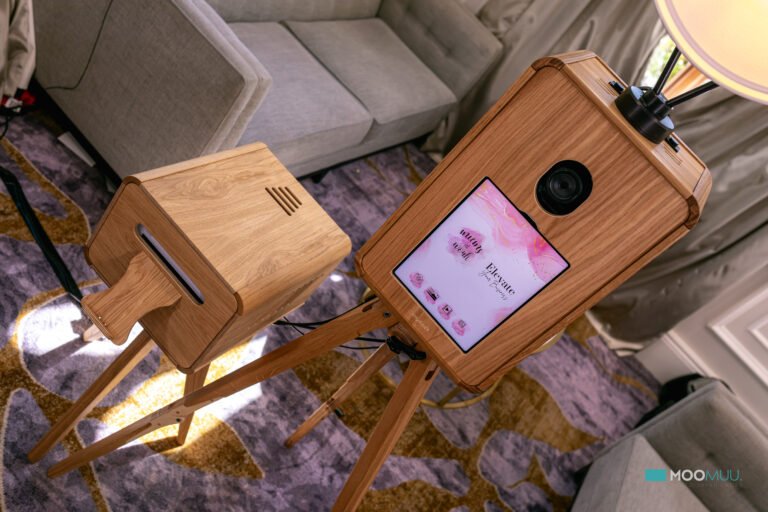
For printing and digital sharing with an attendant, compare Luxury Oak Booth, ICON Booth and black-and-white Signature GLAM Booth. The separate Digital Booth is self-service and print-free, with installation, testing and remote support arranged for the hire.
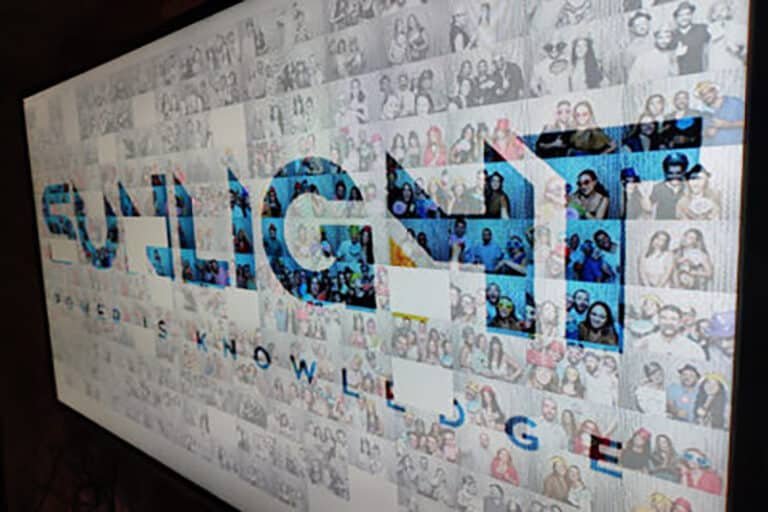
AI transformations, live Sketch Bot drawings and a Mosaic Wall involve different creative and collection stages. Do not transfer one booth’s assumed session time to another experience. Agree capture points, staffing, output and any viewing or collection area.
5. Include prints, sharing and forms in the guest journey
Allow space for print collection and any guestbook activity. If guests want copies for themselves and the book, agree those requirements before the event. Our prints-versus-digital guide explains the output choices.

Digital sharing depends on the delivery method and venue connection. MooMuu can provide data capture; agree the fields, purpose and guest wording in advance. Additional questions and choices affect the interaction. Do not assume that digital delivery or a data form makes every visit equally quick.
6. Keep the guest route clear
Make the booth easy to see without placing the queue across the bar, catering access or entrance. Give people room to pose, collect content and step aside. Use our space-planning guide to prepare venue questions, then confirm the exact setup with us.
Attended booths include guest guidance during the booked operating period. Do not plan around an on-site attendant being included with Digital Booth. MooMuu does not supply props, so any client-supplied accessories should be discussed in advance rather than added to the layout on the night.
7. Agree the solution before booking
If demand is concentrated into a short window, discuss a longer operating period, adjusted guest journey or additional equipment. Availability, staffing and any extra cost must be confirmed; an extension or second installation is not automatic.
Send the event schedule, guest numbers, desired keepsake and venue layout together. That gives MooMuu the information needed to recommend a workable plan, rather than relying on a headline capacity that may not fit your evening.
Plan the right setup for your event
Compare MooMuu’s photo experiences, then ask us to help plan your booth. Share your date or approximate month, venue, guest numbers and proposed operating times. Tell us about access or space restrictions so the quote reflects the setup you need.