
Photo Booth Prints vs Digital Photos for Weddings
Choose wedding photo-booth prints, digital photos or both with clear guidance on MooMuu packages, guestbook copies, sharing, staffing and gallery delivery.
A printed photograph gives guests something to hold, display or add to a guestbook. A digital copy is easy to save and share. You do not have to choose one at the expense of the other: several MooMuu booths offer both. Start with the keepsake you want, then choose the experience that provides it.
The key distinction is between a print-free package and a booth that includes printing, not between good and bad photography. Your venue, guest list and reception timings also matter.

1. Match the output to the booth
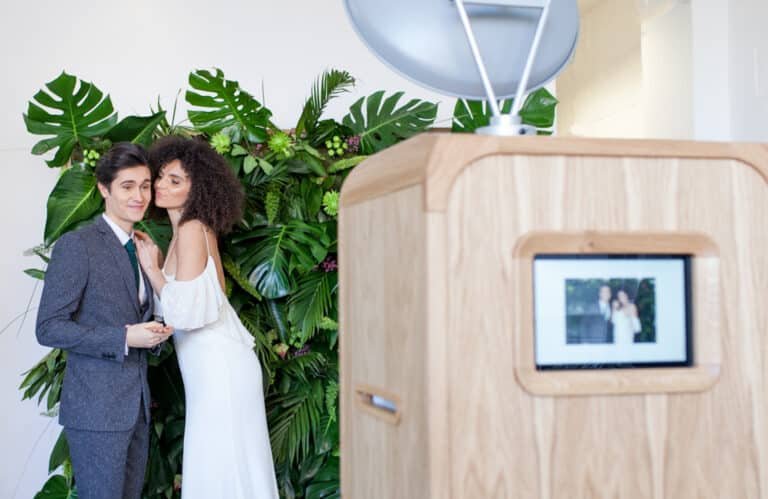
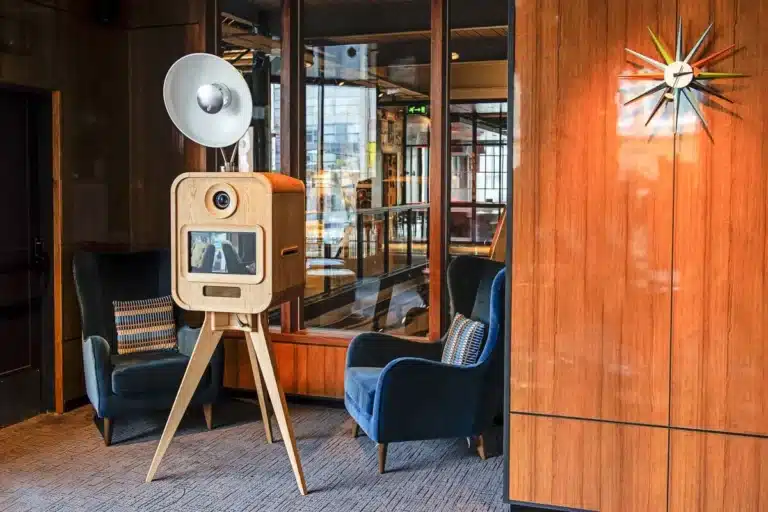
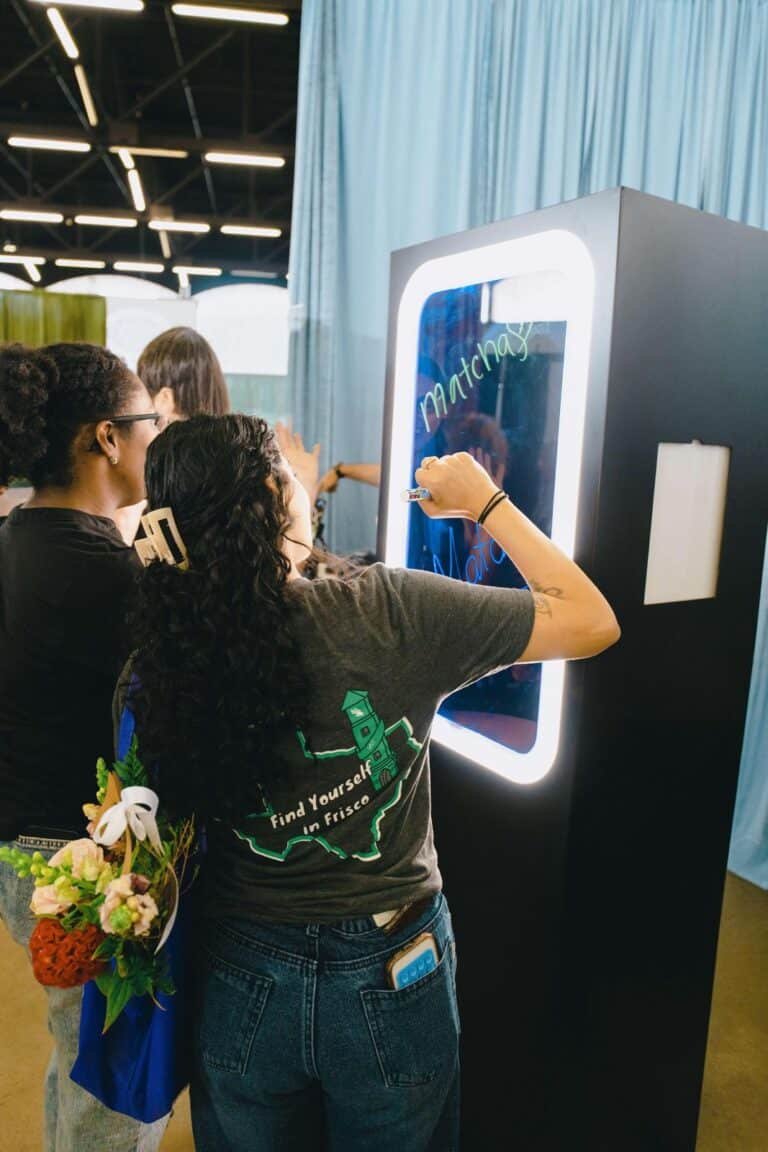
The Digital Booth is a self-service, print-free experience. For printed photographs, digital sharing and an attendant, compare Luxury Oak Booth, ICON Booth and black-and-white Signature GLAM Booth.
These are distinct products, not a printer upgrade to the Digital Booth. Confirm the chosen booth, photographic finish, print format and package inclusions in your quotation. If you want both printed and digital keepsakes, say so at the start.
2. Choose prints for a keepsake on the night
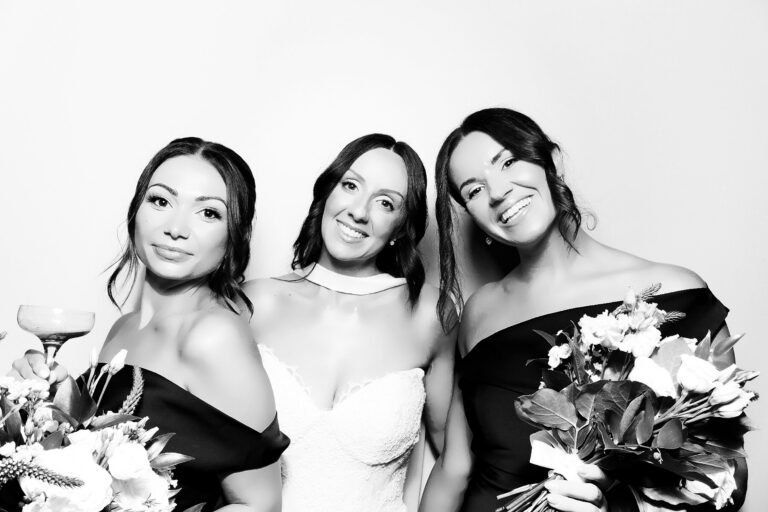
A print can go back to the table, into a guestbook or home with your guests. It is also useful for anyone who would rather not use a phone or download link. Ask to see the available print layouts, then choose a format that works with your wedding design and the way guests will use it.
Keep names, dates and decorative details readable without crowding the photograph. Check the design at its finished size before approving it. Our luxury photo booth guide explores how photography and presentation work together.
3. Make a photo guestbook part of the plan
If you want guests to leave you a photograph and a written message, include the book and an additional photo copy in the quote. MooMuu’s guestbook option includes an extra photograph and attendant assistance to help guests place it in the book and write a message.
Agree where the book will sit, leave space to write and nominate someone to collect it at the end. A guest’s take-home copy and your guestbook copy have different jobs. A digital-only booking will not create a printed guestbook during the reception.
4. Choose digital for convenient saving and sharing
Digital delivery lets guests keep photographs on their phones and share them with people who could not attend. Depending on the experience, they can also create GIFs, boomerangs or short videos. Confirm the available content types and sharing methods for your package rather than assuming every booth captures the same formats.
Instant sharing needs reliable venue connectivity. Tell MooMuu about Wi-Fi or mobile-signal limitations before booking so the delivery approach can be agreed. A captured photograph and a successfully delivered message are not the same step.
5. Check support and the complete setup
Luxury Oak, ICON and Signature GLAM include an attendant during the agreed operating period. The Digital Booth is normally self-service, with delivery, installation, testing and remote support arranged for the hire. A large freestanding backdrop is not included as standard with the Digital Booth.

MooMuu does not supply props. Plan the backdrop, lighting and guest position around the venue instead. Use our photo booth space guide to prepare the practical questions, then confirm the footprint, access and power for your chosen setup.
6. Pick hours when guests can participate
Share your running order and expected guest numbers. A relaxed reception gap or evening party may provide more opportunity than time when everyone is occupied by speeches or dinner. Separate installation access from the hours when the booth is open.
Group portraits, repeat visits and guestbook messages all take time. Neither printing nor digital delivery alone determines queue length. Ask for an operating plan suited to your wedding rather than a blanket promise that every guest will take part.
7. Save the memories after the wedding
Confirm who receives the gallery, how it is delivered, how long access lasts and how to download the files. Save your own copies within the agreed access period rather than relying indefinitely on a link. Check the gallery arrangements even when guests receive prints.
Choose prints for a tangible keepsake, digital for flexible saving and sharing, or a printing booth with digital delivery for both. The best fit is the package that gives your guests and you the memories you actually want to keep.
Choose your MooMuu photo experience
Compare the booths, guest outputs and starting prices, then check availability for your preferred booth. Still deciding? Ask us to recommend a photo experience using your date or approximate month, venue and guest numbers. Checking availability does not reserve your date.