
What an Exhibition Engagement Case Study Shows
Learn what an exhibition engagement case study should show: the brief, guest journey, MooMuu experience and evidence behind the results.
A useful exhibition engagement case study explains the brief, the experience delivered and the evidence behind the results. A photograph of a busy stand can show atmosphere, but it cannot prove lead quality, sales or return on investment.
This article is a planning and evaluation guide, not a report of one named client event. For examples of MooMuu’s work, browse our event portfolio. The suggestions below are questions to ask when assessing an activation, not claims of measured client results.
Start with the exhibition objective
State who the exhibitor wanted to reach and what a useful interaction looked like. A product launch, recruitment campaign and customer appreciation event need different outcomes. Record the event setting, operating period and stand constraints so the results have context.
For a sales-led brief, a useful outcome might be a requested demonstration or a meeting with a relevant prospect. For an internal campaign, it may be voluntary participation and feedback. Decide this before choosing an experience, rather than fitting a success story around whatever numbers are available afterward.
Explain why that MooMuu experience was selected
Describe what guests actually did and received. Product names alone do not explain the creative response:
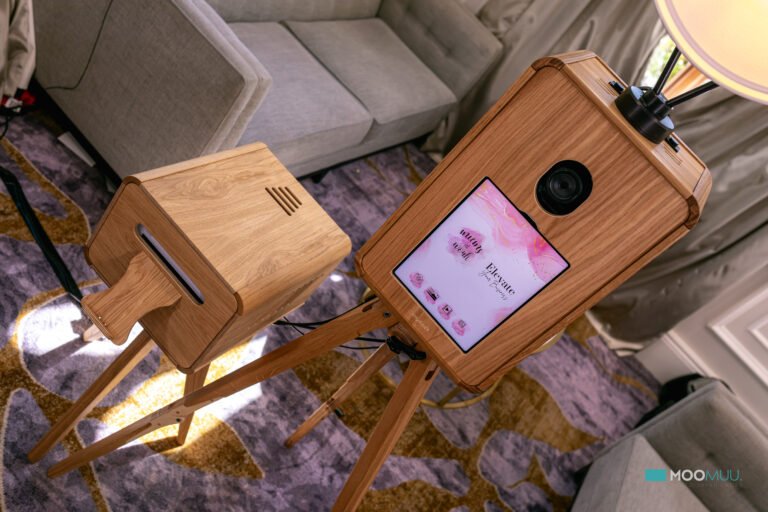
- AI Experience transforms guest photographs into themed AI imagery. Explain the approved visual theme and its connection to the campaign.
- AI Sketch Bots physically draw AI-created portraits on paper. Explain the drawing style, guest collection journey and branded keepsake.
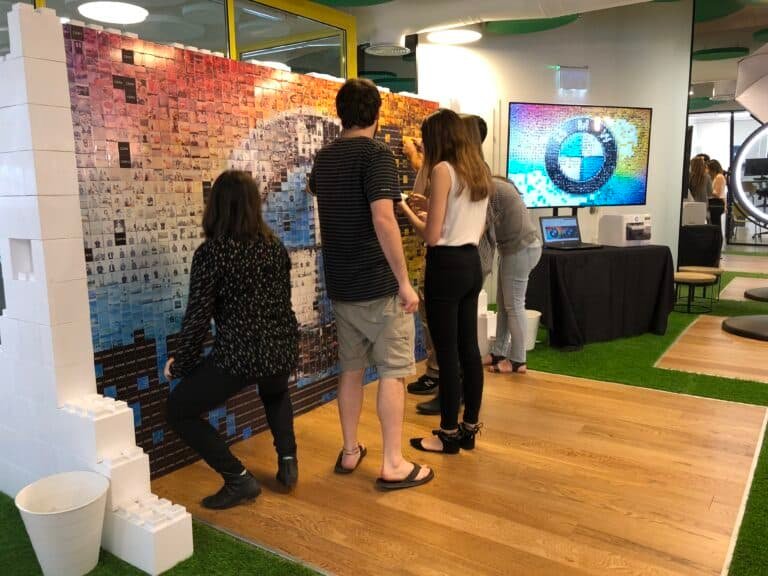
- Mosaic Wall Live combines an ICON Booth with printed photo tiles that build a physical image. Explain the contribution and completion plan.
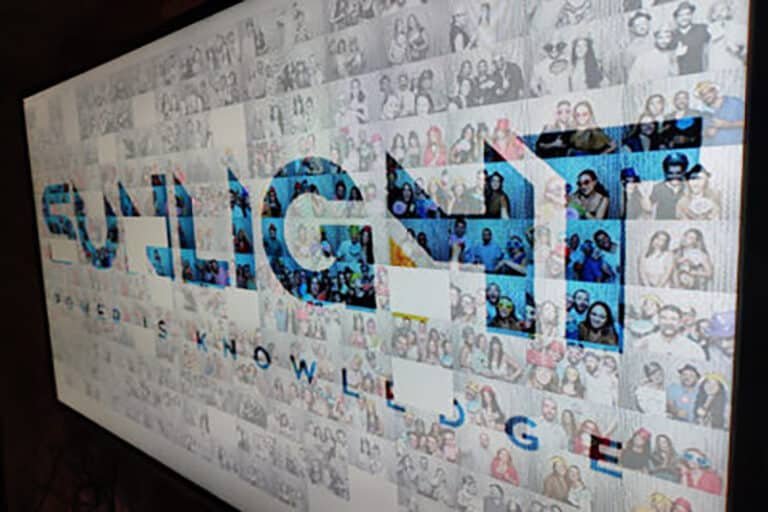
- Digital Mosaic is a separate screen-based format using QR or link uploads. Explain who could contribute, including any remote audience, and how the display was managed.
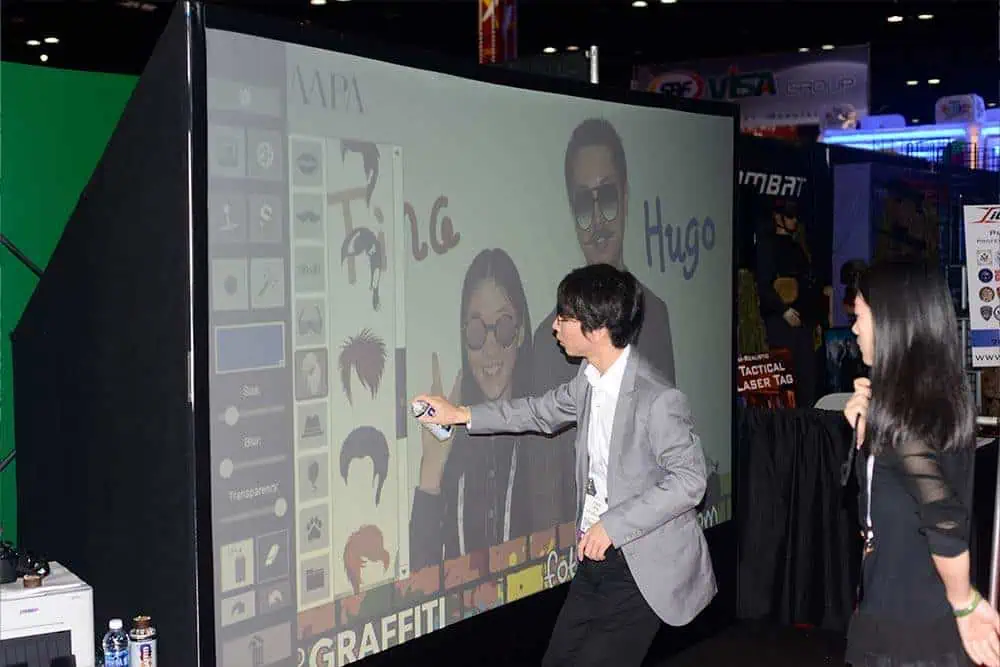
- AI Graffiti Wall uses digital spray cans and on-screen tools, with optional AI transformation. Explain the creative invitation and the digital output.
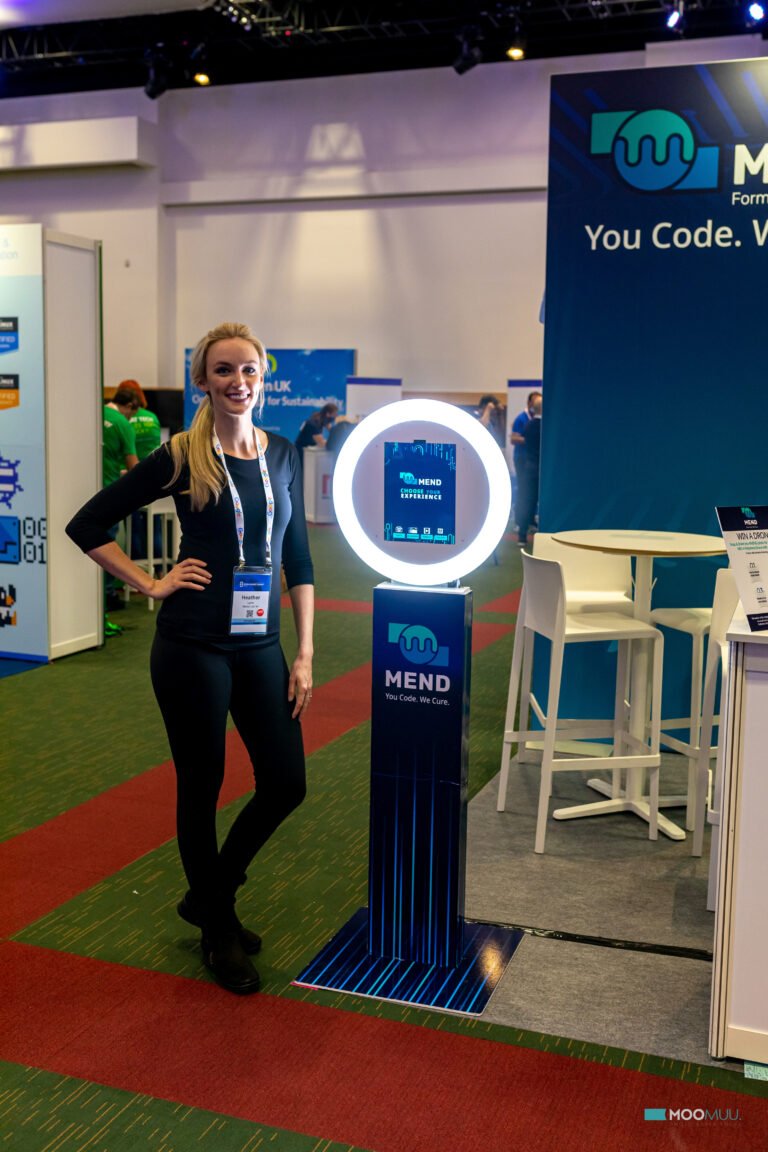
For a straightforward branded photo moment, the ICON Booth may be a suitable comparison. Choose a format because it fits the audience, space and output, not because the technology sounds more elaborate.
Show the whole guest journey
A strong case study covers the approach as well as the activity. What could visitors see from the aisle? Was the invitation understandable? Where did they wait and collect their output? How did your team offer the next conversation?
Include operational details that another planner can learn from: access, power, internet, branding approvals, peak periods and changes made during the show. Distinguish the experience operator’s role from the exhibitor’s sales team.
Do not describe every setup as staffed. The Digital Booth is normally self-service, print-free and without an on-site attendant; Digital Mosaic support is agreed for the operating window. Record what was actually provided for the event being discussed.
Separate participation, attention and commercial outcomes
Report each measure with its definition and source. Completed photo sessions, individual guests and printed copies are different counts. A mosaic contribution is not necessarily a unique attendee, and a downloaded asset does not prove a public social share.
If you report dwell time, explain whether it includes queuing and how it was measured. If you report an improvement, state the comparison period or baseline. Without that context, an impressive percentage can be misleading.
Lead claims need the same care. Record what made a contact qualified, who assessed it and whether the person requested a follow-up. Booth participation or photo delivery alone does not establish permission for marketing. Agree optional data capture and reporting before the event rather than assuming every metric will be available.

Include the limits, not just the highlights
A credible account says what could not be measured. If you have no verified social-sharing data, describe the content created rather than claiming online reach. If sales attribution is unavailable, report confirmed conversations or meetings without assigning revenue to the activation.
Use real, approved client quotes and event photographs. Clearly label hypothetical scenarios or planning illustrations. Do not invent testimonials, attendee numbers, conversion rates or client endorsements to make the article feel complete.
Guest images intended for a brand’s advertising or wider publicity need an agreed usage and permissions process. Receiving an image is a different purpose from having it republished by an organiser. Confirm the intended channels before the event.
Turn the findings into a better next event
Finish with practical lessons: which invitation worked, where the queue became awkward, which outputs guests chose and whether your team had time for useful conversations. Include what you would repeat and what you would change.
Our guides to exhibition dwell time and corporate content capture can help turn those observations into a clearer brief.
Build an activation you can evaluate
Tell us your event, audience, stand size and intended outcome. We can help select a suitable experience and agree the guest journey, outputs and any available reporting before you book.
Request a tailored corporate proposal or compare corporate experiences. For a wedding or private celebration, tell us about your event.