
Wiltshire Event Experiences: Plan the Right Setup
Planning a Wiltshire wedding, party or corporate event? Choose a guest activity, check the venue setup and prepare a clear brief for MooMuu.
Planning a wedding, celebration or corporate event in Wiltshire? Choose the guest activity and keepsake first, then check whether the experience works in your venue and timetable. A photo booth, a live drawing installation and a shared mosaic have different space and operating requirements.
This guide helps you prepare a useful brief for MooMuu. The photographs illustrate the experiences, rather than documenting a particular Wiltshire venue booking. Availability, travel and the final setup are confirmed for your event.

Start with the kind of event you are planning
Weddings and private celebrations
Decide whether you want colour photographs, black-and-white portraits, digital-only content or a different keepsake. Then identify a useful operating window around dinner, speeches and other entertainment. Guests need time to find the experience, take part and collect or receive the result.
Keep the activity close enough to the reception to be noticed, with room for anyone who wants to watch or wait. A booth should complement your wedding photographer’s coverage, not be treated as a replacement for it.
Corporate events and brand activations
Set one main objective: creating guest portraits, starting conversations, inviting creative participation or building a shared artwork. Agree the audience, brand assets, approvals and how you want to use the finished content. A complex installation is not automatically the best fit for a busy stand or a short drinks reception.
MooMuu can provide data capture. Discuss the fields, purpose, consent wording and delivery arrangements during planning, and keep those choices distinct from simply receiving a photograph. Participation does not guarantee enquiries, social posts or sales.
Shortlist the output you want guests to receive
For attended colour photography with prints and digital sharing, compare the Luxury Oak Booth and ICON Booth. For black-and-white portraits with controlled lighting and bespoke processing, explore Signature GLAM. These experiences include an attendant during the agreed operating period.
The Digital Booth is compact, self-service and print-free. It includes delivery, installation, testing, collection and remote support; an attendant does not normally stay on site. Choose it for digital captures rather than assuming a printer can be added.
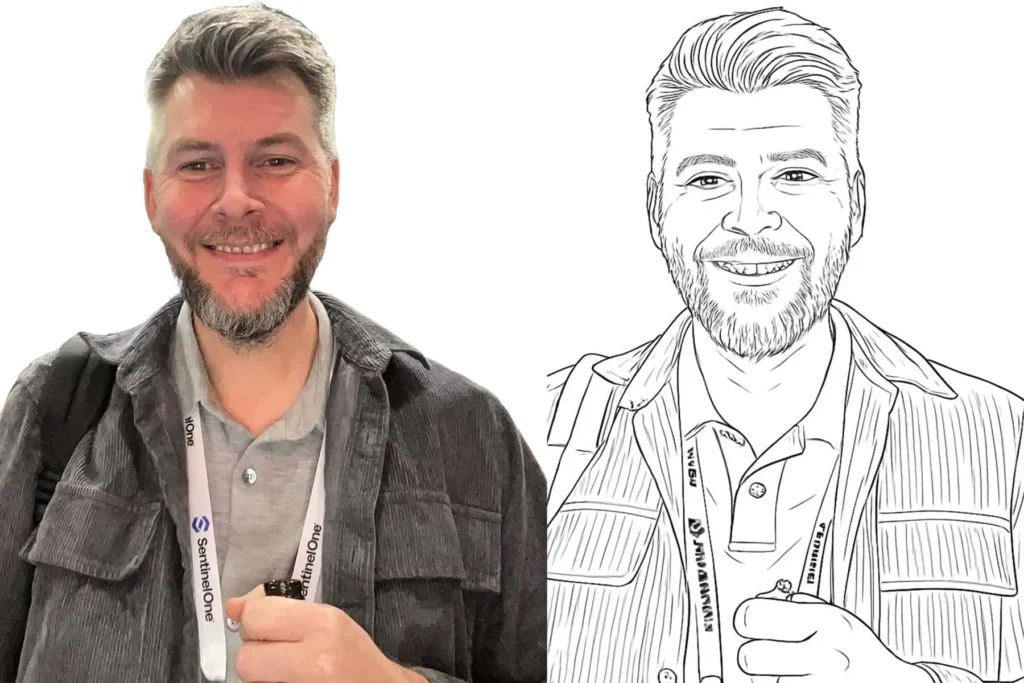
For a different activity, AI Sketch Bots use robotic drawing arms to draw personalised illustrations with a real pen on paper. A Mosaic Wall combines guest photographs into a larger image. The AI Graffiti Wall lets guests create on a digital canvas without applying physical paint to the venue; its AI transformation is optional.
These are separately scoped experiences. Use the full MooMuu comparison to explore the wider range, then ask us to check the combination of space, staffing and availability for your shortlist.
Walk the delivery route with your venue
Send the venue name and postcode, the proposed room and photographs or a floor plan. Check the route from unloading to the installation position, including steps, doorways and any lift. An attractive room is not enough if the equipment cannot reach it.
Luxury Oak equipment cannot be carried up or down stairs. Tell us about steps and any proposed lift or ramp so the route can be assessed before booking. Do not assume all products have the same access requirements.

Agree unloading access, installation and collection times, the venue contact and any room turnaround. The booked guest operating period is different from the time needed to bring in, install and remove the equipment.
Check the working area, light and connection
Allow room for posing or creating, a short queue and the collection of prints or artwork. Keep exits and venue service routes clear. Confirm the required power supply and connectivity for the selected experience rather than relying on a general promise that Wi-Fi is available.
For a marquee, outdoor or partly open location, share details of the weather protection, flooring and lighting. Suitability needs to be assessed; a covered area alone is not confirmation that every installation will work there.
MooMuu does not supply props. Coordinate the agreed backdrop and artwork with your event, and discuss any accessories or decorations you intend to provide before adding them to the layout.
Compare the complete event quote
Check operating hours, staffing, outputs, creative preparation and any enhancements alongside the price. Travel, location surcharges, extra hours and venue access can affect the total. Corporate packages and bespoke branding are quoted around the brief.
Send whatever you know now: your date or approximate month, venue or area, guest numbers, preferred activity, timing and budget range. If your plans are still developing, say so. It is more useful than entering a placeholder date and treating it as confirmed.
Plan your Wiltshire event with MooMuu
Ask us about your date and venue. We will help you assess the setup and prepare a tailored quote. You can enquire before every detail is final; an enquiry does not reserve your date.