
Photo Booth Data Capture for Corporate Events
Plan optional photo booth data capture with MooMuu: distinguish photo delivery from marketing, agree useful fields and measure real outcomes.
Photo booth data capture for corporate events should start with a clear purpose, not a long form. A guest may want their photograph, an organiser may want participation figures, and a sales team may want requested follow-ups. These are different outcomes and should not be treated as one automatic mailing list.
With MooMuu, discuss optional data capture before booking so we can confirm what is available for your chosen experience. Custom questions, exports, reporting and connections to your own systems must be agreed; they are not assumed to come with every package.
Choose the guest experience first
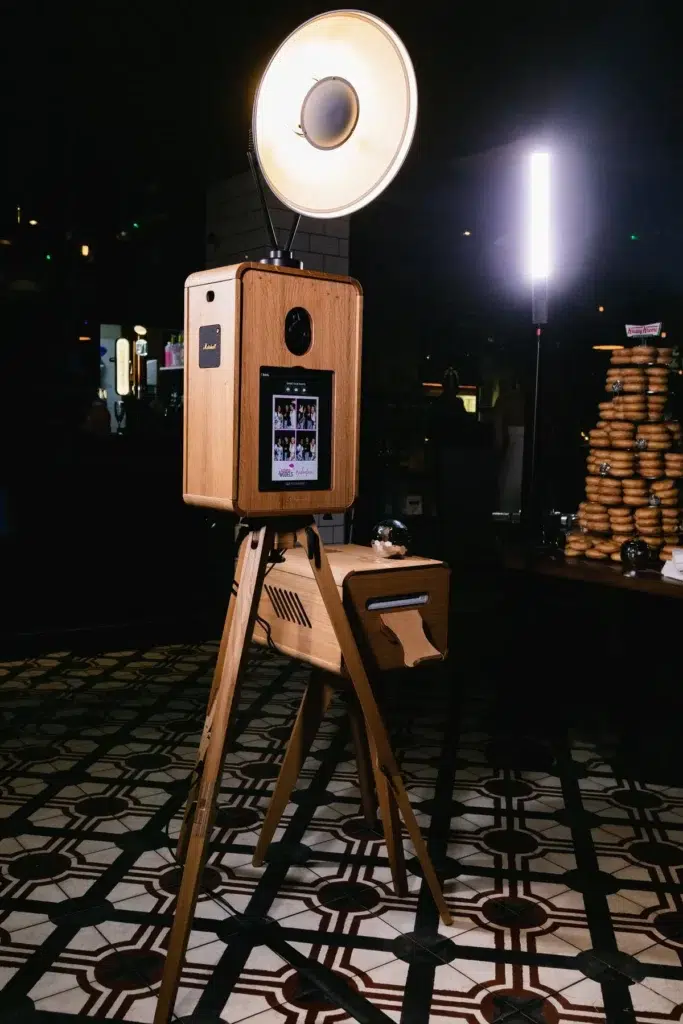
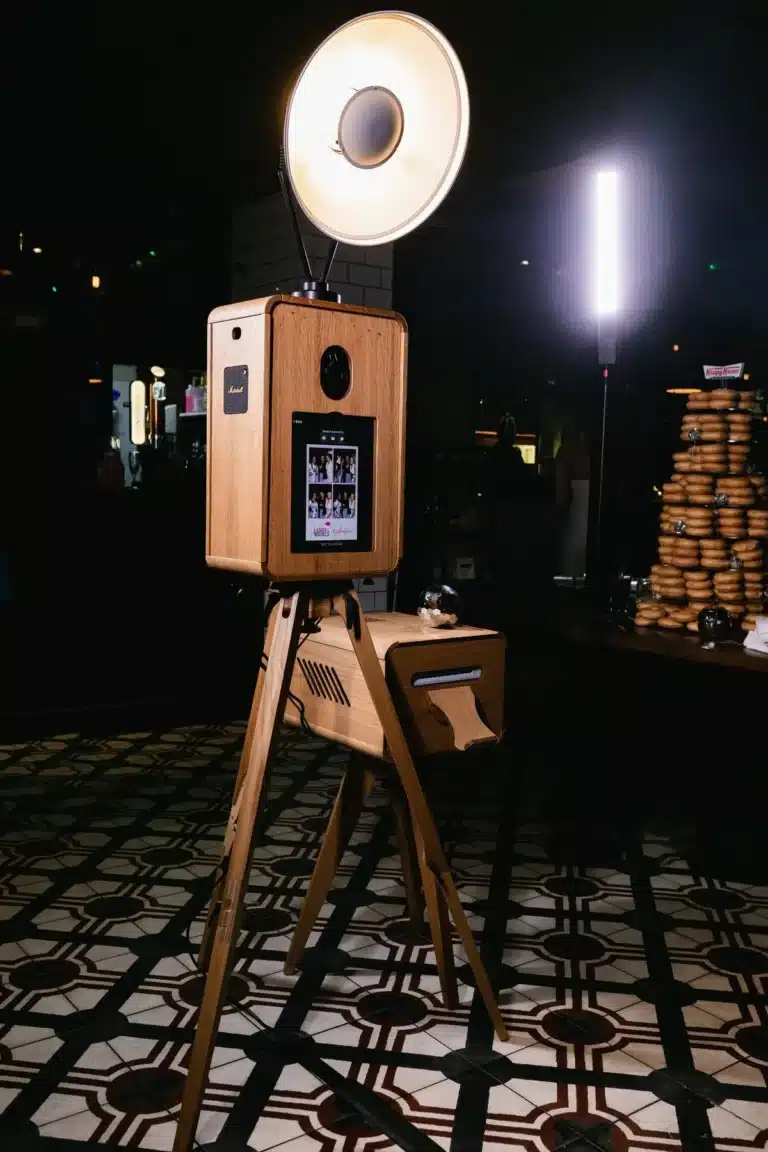
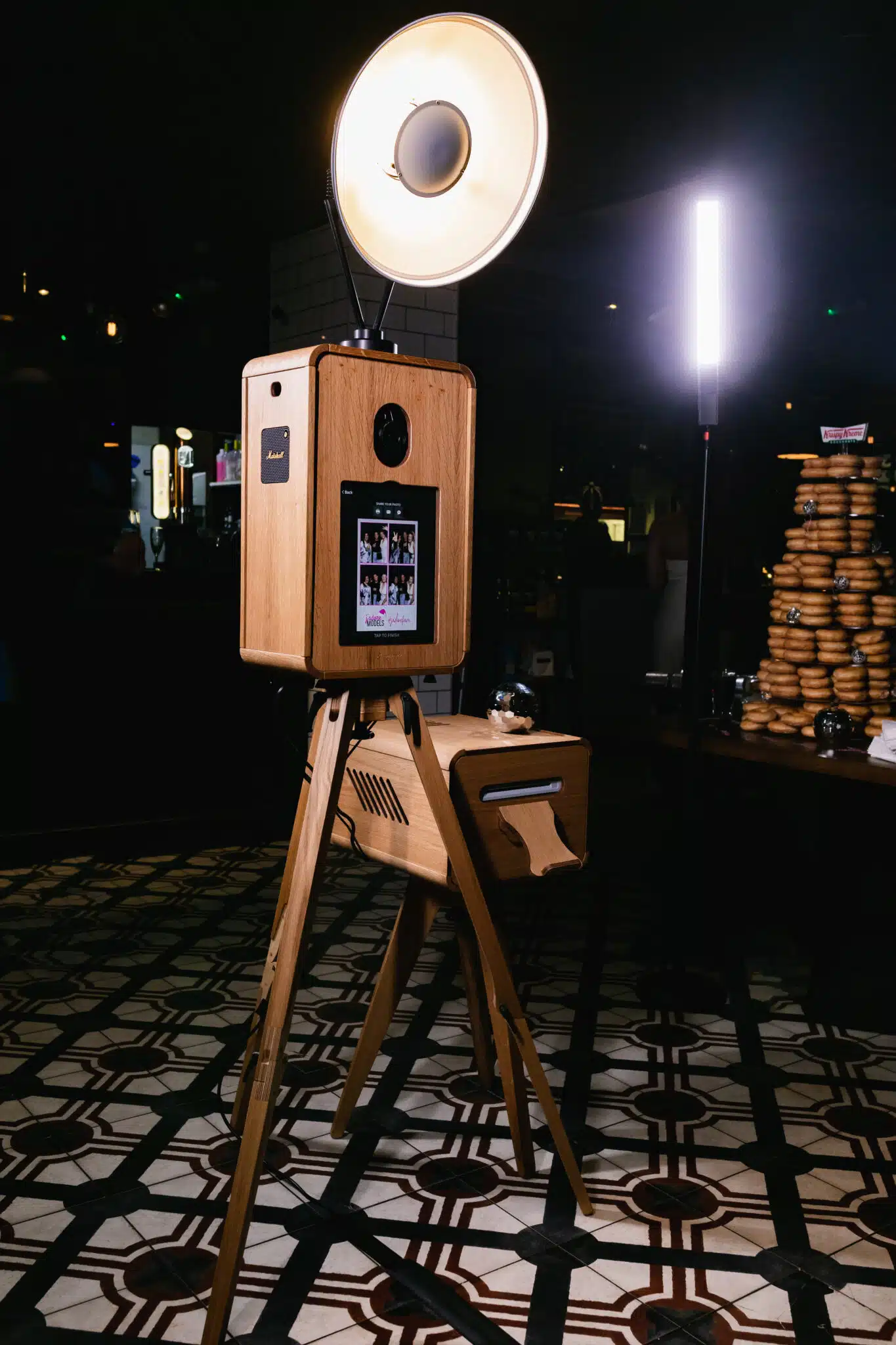
The hosted ICON Booth suits a branded photo and keepsake brief. The Digital Booth is normally self-service and print-free, creating photographs, GIFs, boomerangs and short videos without a standard on-site attendant.
For a different interaction, AI Sketch Bots physically draw portraits on paper, while AI Experience creates themed AI imagery. A Digital Mosaic uses QR or link uploads to build a collective picture on screen. None of these formats makes every participant a qualified lead.
Confirm the available collection and delivery options for the selected setup. The guest journey should remain understandable even when someone does not want promotional follow-up.
Collect only what the purpose needs
Make a short list of each proposed field and why it is necessary. An email address for image delivery does not justify adding unrelated profiling questions. The ICO’s data-minimisation guidance explains why personal information should be relevant and limited to the stated purpose.
Possible planning questions include:
- Is this detail needed to deliver the guest’s output, or is it for a separate campaign?
- Would an anonymous participation count answer the reporting question?
- Will someone actually use the proposed company or product-interest field?
- Can the selected setup collect it, and has the wording been approved?
These are briefing options, not a promise that every field or report is supported. For an employee event, avoid turning a voluntary photo activity into attendance monitoring or staff profiling without a separately reviewed purpose and process.
Separate image delivery from marketing
Requesting a photo by email does not automatically mean agreeing to marketing. Where you rely on consent, use a separate, optional choice that names the sender and the email or text marketing involved. Do not use pre-ticked boxes. Keep evidence of the choice and make withdrawal easy. See the ICO’s electronic-mail marketing guidance.
Business audiences do not remove the need for care. PECR treats corporate subscribers differently from individual subscribers, including sole traders and some partnerships. UK GDPR still applies to personal data used in business-to-business marketing. Have your team establish which rules and lawful basis apply; the ICO’s B2B marketing guidance explains the distinction.
Do not assume event participation qualifies for a soft opt-in or that a photo-delivery list can simply be added to a campaign. This is planning guidance, not legal advice or a guarantee that a particular activation is compliant. Ask your privacy or legal adviser to approve the actual process.
Agree responsibilities, access and retention
Before the event, clarify who is responsible for each use of the data, which providers handle it, who can access it and how the approved information reaches the organiser. Agree the guest-facing privacy information, any required data-processing terms and the route for handling guest requests.
Confirm the export format and secure handover if a data export is part of the proposal. Do not assume a live CRM integration, automatic lead scoring, an unrestricted gallery or a particular reporting dashboard is included.

Set and justify retention periods for the purpose, with review and deletion arrangements. There is no universal UK GDPR retention period that makes every event list compliant; see the ICO’s storage-limitation guidance. Gallery access duration and permission to retain a marketing list are separate matters.
Test the journey before guests use it
Agree a pre-event test covering the on-screen wording, required and optional fields, image delivery and any approved export. Check that declining optional marketing does not accidentally select it, and that any exported preference is recorded correctly.
Review venue connectivity and the plan for interrupted delivery. Give staff a short explanation they can use without pressuring guests or promising unsupported privacy, security or reporting features.
Measure outcomes honestly
Separate completed sessions, delivered images, valid marketing choices and requested sales follow-ups. If you use rates, define the denominator: for example, completed optional opt-ins divided by guests shown that choice.
A download does not prove a public social share; a session may include more than one person; and a contact detail does not establish buying intent. Track qualified conversations and subsequent bookings in your own agreed sales process rather than describing all photo recipients as leads.
Decide which measures are available before the event and report their limitations afterward. For the wider creative brief, see our corporate event content-capture guide.
Discuss a corporate activation with optional data capture
Send your event date, venue, audience, preferred experience and what you need to learn or follow up. We can confirm the available options and agree the technical scope before your team approves the data-handling process.
Request a tailored corporate proposal or compare corporate experiences. For a wedding or private celebration, tell us about your event.