
Conference Check-In Activation: An Illustrative Plan
A hypothetical conference arrival example showing how an optional MooMuu experience can sit after registration, without assuming badge integrations or automatic displays.
A conference arrival activity can give delegates something to enjoy after collecting their badge. It should remain optional and should not slow registration or access to the first session. This is an illustrative planning example, not a report of a delivered MooMuu conference or measured results.
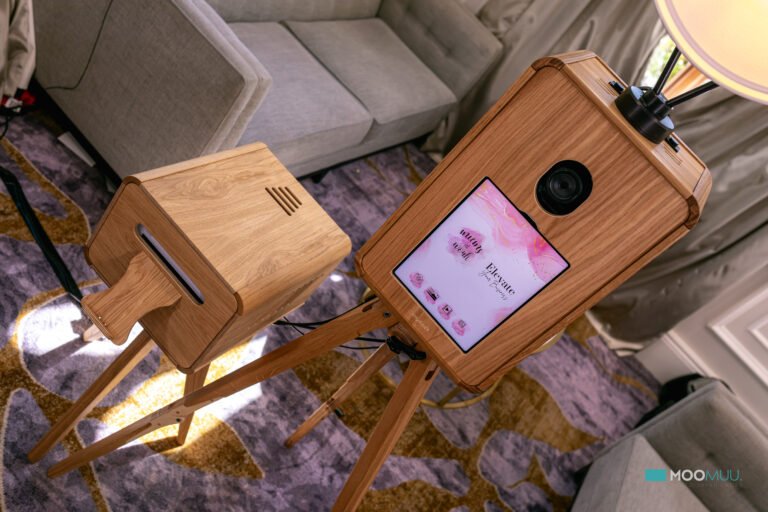
Imagine a conference with a networking area between registration and the auditorium. The organiser wants a guest portrait and, if suitable, a shared visual display. Product photographs on this page illustrate possible formats; they do not document this hypothetical event.

1. Complete registration first
In this example, the organiser or its registration provider checks tickets, records attendance and issues badges. Delegates can then go directly to refreshments or the auditorium. The MooMuu activity is a separate guest experience, not a replacement for the registration system.
2. Invite guests to an optional portrait
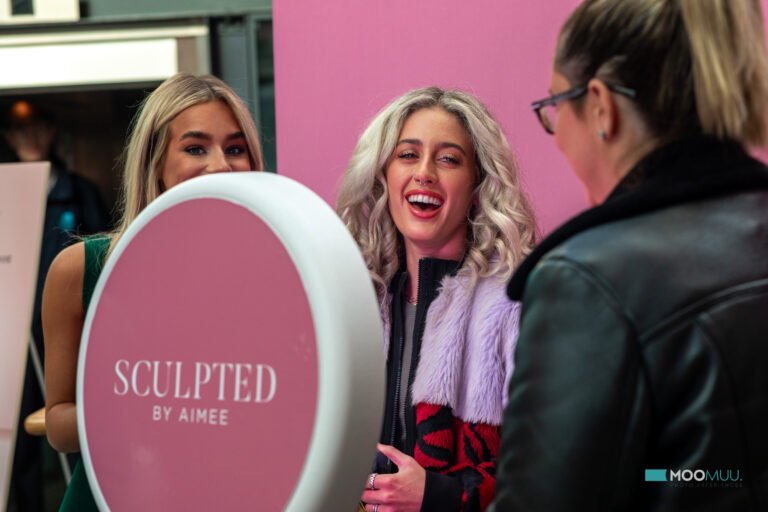
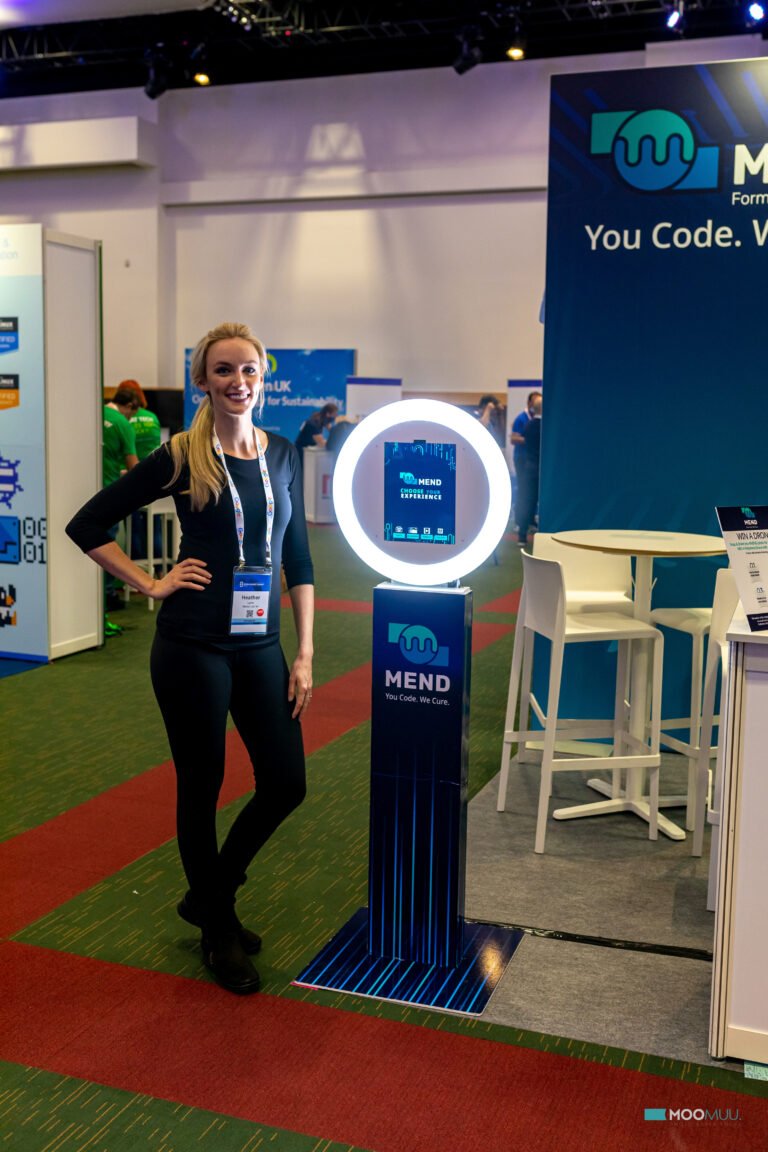
A host points interested delegates towards the agreed photographic setup. Signature GLAM offers attended black-and-white portraits with prints and digital sharing; the ICON Booth offers attended colour photography. Select the format, backdrop, artwork and operating hours before planning the guest route.
3. Agree how the portrait is delivered
For GLAM, digital portraits can be delivered by QR code, SMS or email. Confirm the chosen method, connectivity and print arrangements for the selected package. Receiving a portrait does not automatically mean the guest has agreed to public display, marketing messages or a social post.
4. Add a shared display only if it is in scope
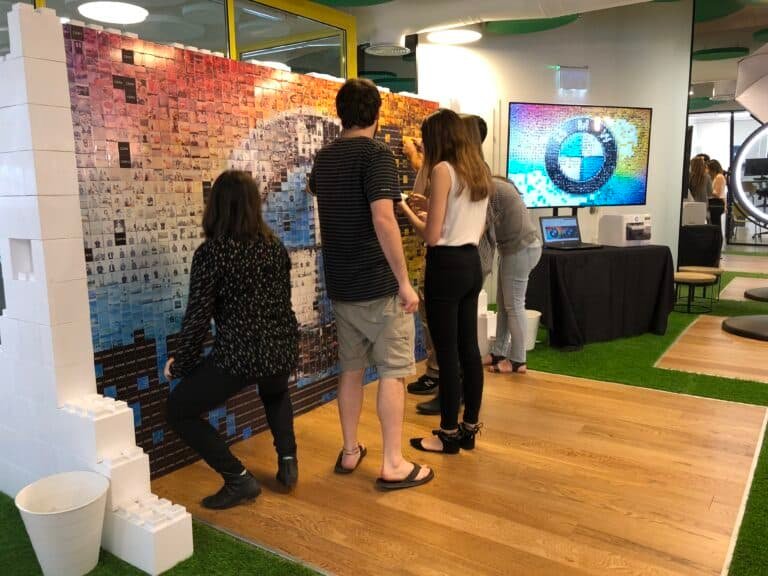
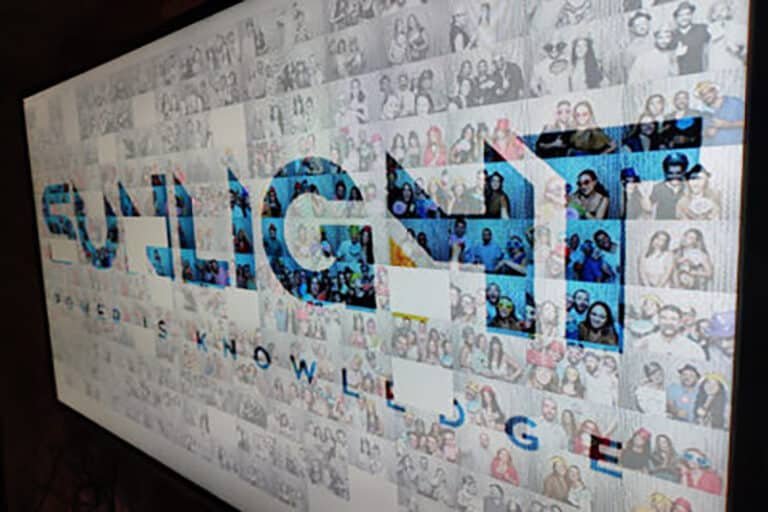
A physical Photo Mosaic Wall uses photo tiles to build a larger image; Digital Mosaic is screen-based. If either is wanted alongside portraits, agree the contribution route, artwork, display, guest choices and completion plan. There is no assumed automatic feed from the booth or registration list.
Other formats for a networking break
AI Sketch Bots create portraits with robotic arms and real pen on paper. They offer individual physical drawings, not a collective wall. Plan bot numbers, style and operating time, with space for guests to watch and collect their artwork.
The AI Experience creates themed portrait transformations. Review examples and allow for variation in the results. Any bespoke question, animated output or campaign-specific workflow needs its own specification and approval; it is not a standard feature promised by this example.
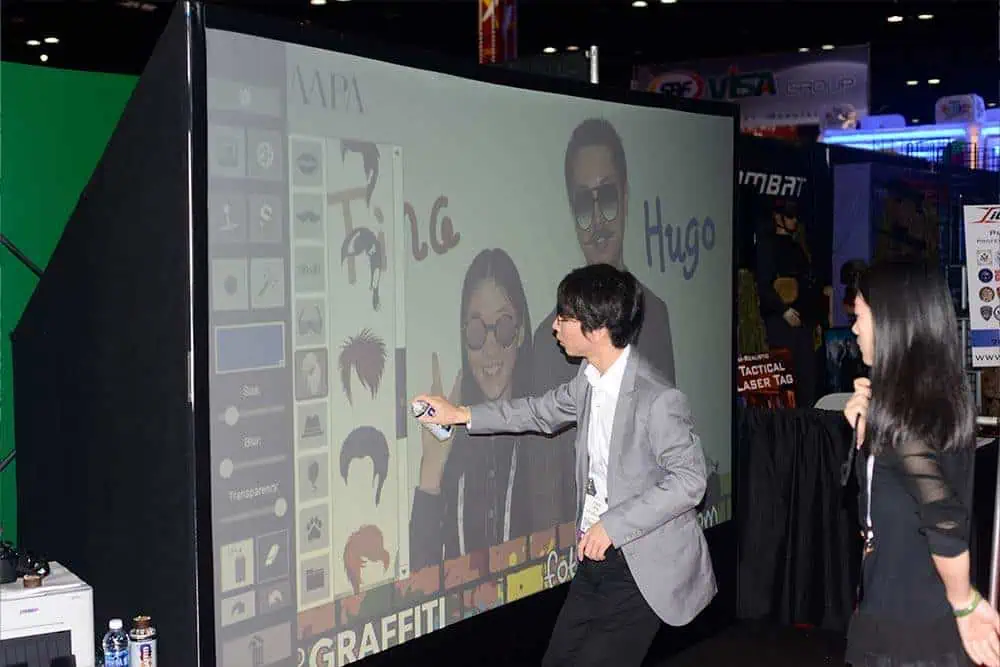
The Graffiti Wall lets guests create on a digital canvas using digital spray cans, without physical paint. AI Line 2 Life is optional. It can be considered for a later creative break, with the making time, artwork brief and delivery agreed separately from arrival portraits.
Keep integrations outside the assumptions
Do not assume badge scanning, attendee-list access, registration syncing or a CRM connection is included. Any proposed integration needs a separately agreed technical scope, confirmation that the systems can support it, suitable data arrangements and testing before the event. The example can work without connecting registration data to the activation.
Plan for the busiest arrival period
Estimate how many delegates may want to participate within the actual window, then plan the complete capture-to-delivery journey. Registration attendance is not an activation capacity target. If the window is too short, discuss operating into a networking break rather than promising everyone a portrait before the keynote.
Keep the activity’s queue separate from badge collection and allow a clear route past it. Confirm the operator, welcome role, power, internet, installation and collection arrangements. Nominate who can decide when to pause invitations so delegates are not held up.
Agree contributions, choices and measurement
MooMuu can provide data capture for corporate events. Agree the fields, purpose, guest choices, consent wording and delivery beforehand. Details needed only to deliver an image are not marketing permission. Confirm separately whether contributions will appear on a display or be used after the conference.
Use a brief that participants can understand without a long explanation. Count completed activities separately from registrations, downloads, public shares or qualified enquiries. MooMuu does not supply props; confirm any additional styling or screens in the quote rather than assuming they come with the portrait package.
Plan an arrival experience for your conference
Send your conference date, venue and arrival timetable, with guest numbers and the experience you want to explore. For busy periods, read our capacity planning guide. An enquiry or availability check does not reserve your date; the final proposal and booking confirmation define the service.