

AI Booths for Events: What Guests Actually Value
AI booths turn a simple portrait into a tailored event moment. Learn how to plan an AI photo experience that feels considered, on-brand and guest-ready.
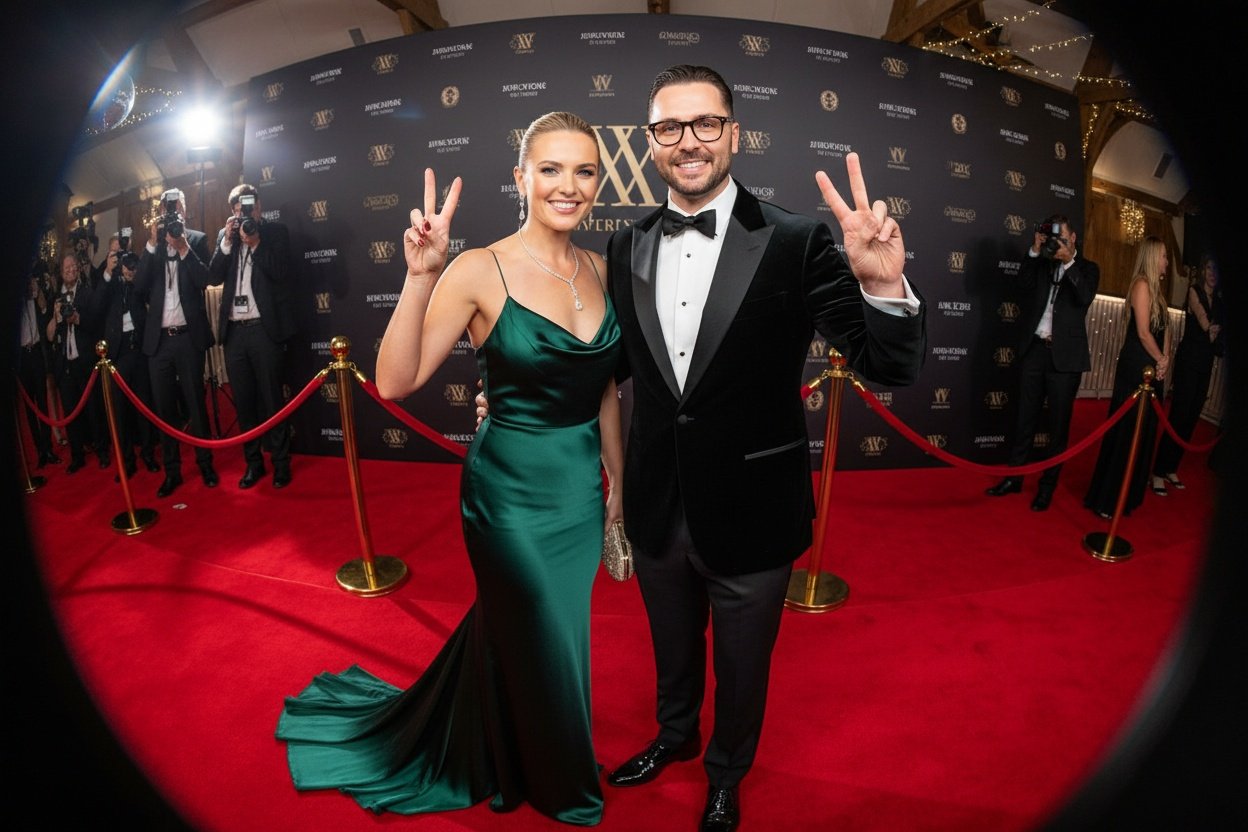
A great event photograph records who was there. AI booths can go further, placing guests inside a visual world that has been created for the occasion: a fashion editorial, a cinematic scene, an imagined destination or a brand-led campaign concept. The appeal is immediate, but the most successful AI experiences are not defined by the technology alone. They depend on art direction, a clear guest journey and an output people genuinely want to keep or share.
For planners, agencies and hosts, that distinction matters. An AI image can be amusing for a moment; a thoughtfully designed AI portrait becomes part of the event’s visual identity.
What are AI booths?
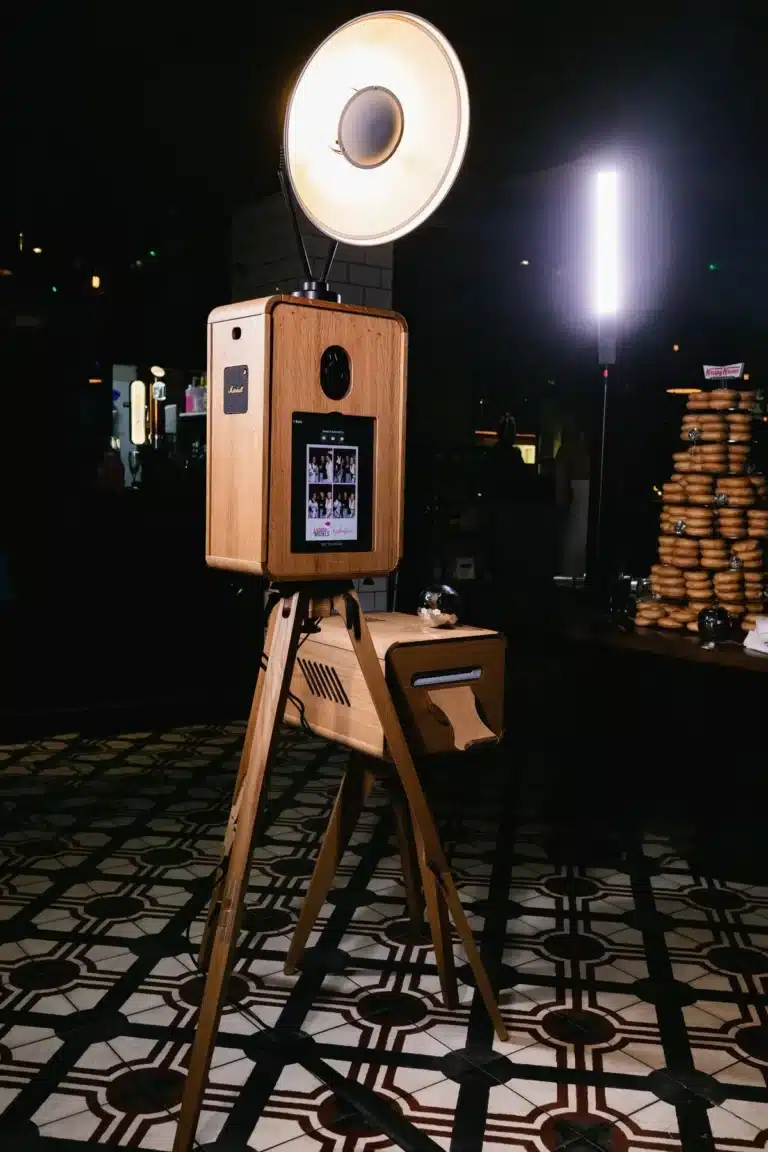
MooMuu’s AI Experience starts with a professional guest portrait, then uses a pre-designed visual style to create a personalised transformation. Digital delivery is part of the experience and printed keepsakes can be added. Styles are developed to keep guests recognisable, but AI output varies rather than reproducing every detail exactly.
The process should feel straightforward from the guest’s perspective. They step into a well-presented installation, are guided through a small number of choices and receive a result within a sensible timeframe. Behind that simplicity sits a more considered production process: portrait capture, image processing, campaign creative, screen design, printing where required and experienced event staff keeping the flow moving.
This is why an AI booth should be considered an installation rather than a novelty. Its footprint, lighting, interface and surrounding styling all influence whether guests see it as an experience worth joining.
The difference between an AI portrait and a good event activation
AI can produce endless variations. At an event, too much choice usually works against the experience. Guests do not want to study a menu of twenty visual treatments while their friends wait behind them. They want enough choice to feel involved, with a clear route to an excellent image.
A well-conceived activation starts with a small, coherent family of scenes. For a corporate event, these might reflect a campaign world, product story or future-facing theme without becoming a literal logo exercise. For example, an automotive launch could use polished editorial scenes inspired by movement, material and light, rather than simply placing every guest beside a digitally generated car.
For a wedding or private celebration, the approach is often more personal. The visual language might reference the stationery, setting or dress code, but it should still allow guests to look like themselves. Overly elaborate transformations can be entertaining, yet the portraits that are shared most readily tend to retain personality and flattering detail.
The photography matters just as much as the generated image. Strong lighting and a carefully composed original portrait give the AI a better starting point, while making the experience feel more considered before the transformation even begins.
Creative direction should lead the technology
The most useful question is not, “What can AI generate?” It is, “What should this event look and feel like?” Once that is defined, the creative can be built around it.
Campaign creative needs to work at several scales: on the booth screen, in the guest’s hand as a print, on a phone and in the wider event environment. Fine detail that looks impressive on a large display may disappear on a small digital share. Equally, an image designed only for social posting may not have the visual presence required for a gallery wall or printed takeaway.
A concise creative brief is usually more valuable than a long list of effects. It should establish the event objective, audience, visual references, brand rules where relevant, colour palette, desired mood and practical use of the output. That gives the production team a basis for curating scenes that look related, rather than random.
Planning AI booths around the guest journey
The guest journey begins before anyone has their portrait taken. Can guests see what the experience is from across the room? Does the installation invite them in without obstructing circulation? Is there enough space for a short queue, friends watching and a host guiding the next guest?
At a corporate reception, an AI portrait experience can give guests a reason to pause and interact. The plan still needs to fit the expected demand: capture, style choice, cloud processing, delivery and optional printing all take time. Discuss your guest numbers and operating window with MooMuu before deciding how many creative choices to offer.
For weddings, timing is often the deciding factor. The period between the wedding breakfast and evening party can be ideal, as guests are ready to mingle and the room has shifted into a more relaxed rhythm. The experience should complement the celebration rather than compete with speeches, a first dance or key moments on the dance floor.
Consider where the finished images will live, too. Digital delivery allows immediate sharing, while prints create a tangible memento and can encourage guests to return for another pose. Some events benefit from a live gallery or display of generated work, particularly when the output forms part of a wider visual moment. Others need a quieter approach, with the experience designed as a polished side attraction rather than the focal point.
The practical details that protect the experience
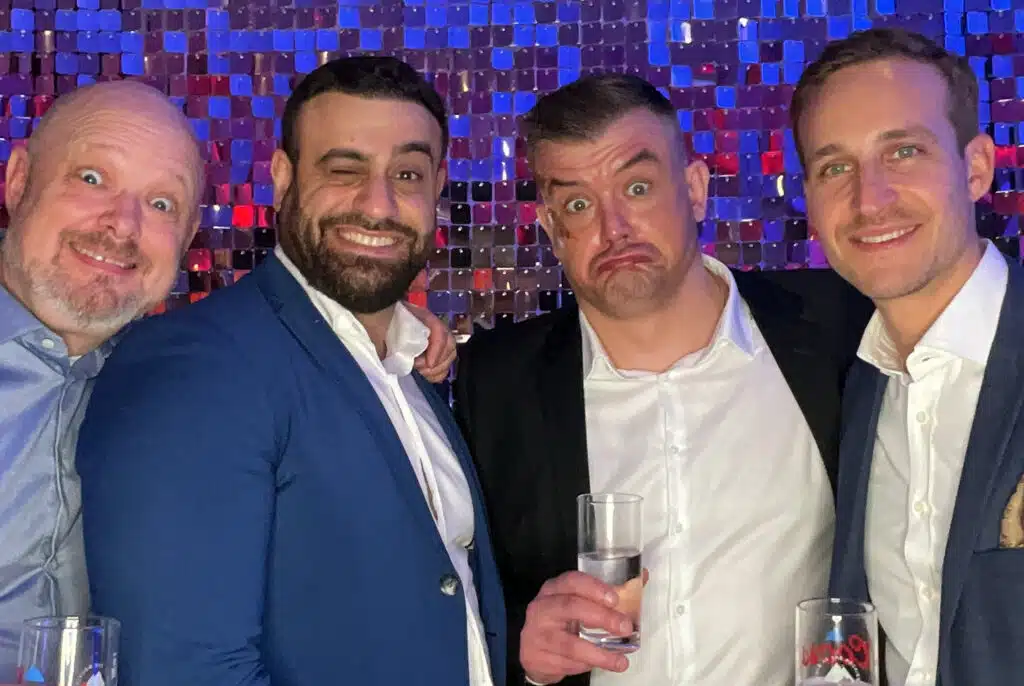
AI image generation introduces a few considerations that should be agreed well before doors open. Processing time is the obvious one. The experience must be designed around realistic guest throughput, especially where a large audience is expected within a short window. It is better to offer two excellent visual routes delivered smoothly than an expansive concept that creates an avoidable queue.
Connectivity and venue infrastructure also deserve early attention. Event technology should have a clear operational plan, including power requirements, positioning, network considerations and a practical response if a venue’s connection is unreliable. Guests should never be left trying to understand a technical issue at the point of interaction.
There is also the matter of consent and data handling. Guests need clear, proportionate information about how their image will be used and how digital delivery works. For a brand activation, this is particularly relevant if the experience includes lead capture or follow-up communications. The opt-in journey should be transparent and separate from the enjoyment of receiving a portrait where appropriate.
Finally, brief the people on the floor. A confident host does more than manage a queue. They explain the choice, help guests feel comfortable in front of the camera, maintain the pace and recognise when someone needs a little encouragement. Human interaction is often what turns a technically impressive installation into a welcoming one.
Choosing the right AI experience for the occasion
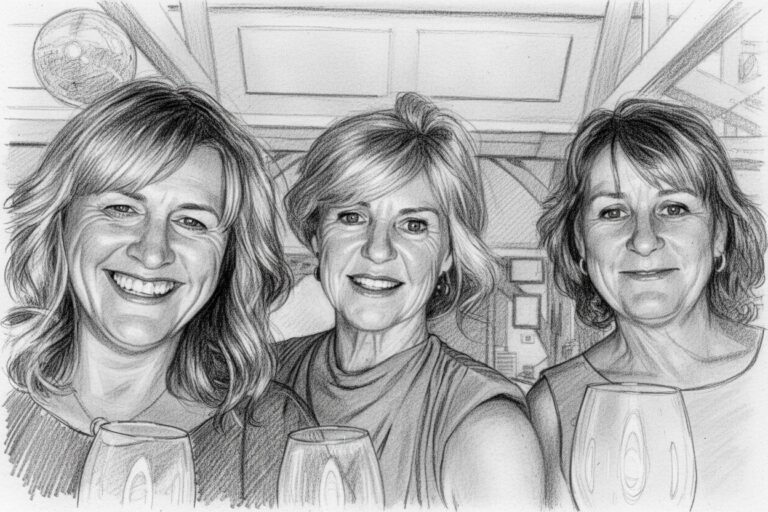
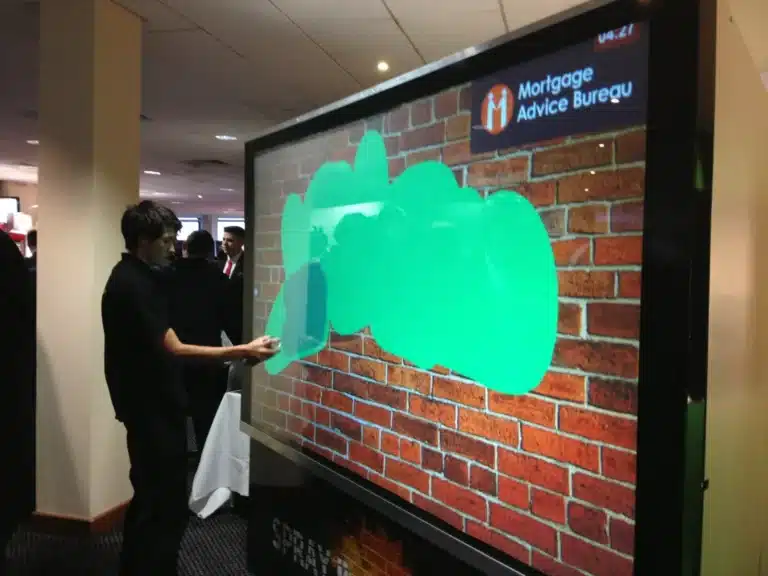
Not every event needs the same level of transformation. A bold AI Graffiti Wall can work brilliantly where guests are invited to contribute to a collective visual artwork, while an AI Sketch Bot experience has a different appeal: it turns portraiture into a physical, observed performance. An AI photo experience is often the stronger choice where individual content capture and immediate sharing are the priority.
For brand teams, the decision should come back to the activation’s role. Is it there to drive footfall, hold attention, create campaign content, reward existing guests or support lead generation? One installation can support several of these aims, but the guest journey should have a primary purpose. Trying to make it do everything can dilute the result.
For private hosts, aesthetics and ease tend to matter most. The installation should sit naturally within the venue, suit the occasion and deliver photographs guests will be pleased to take home. A well-designed booth with a limited, elegant set of AI treatments will often feel more appropriate than a louder concept that dates quickly.
MooMuu Experiential approaches these decisions through the full event context: the room, the audience, the visual direction and the practical running order. That is the difference between adding an AI feature and creating an experience that belongs at the event.
A final thought before you choose
The strongest AI booth ideas have a clear point of view. They give guests a reason to step forward, an image that feels worth keeping and a moment that fits the wider occasion. Start with that outcome, then let the technology do its work quietly in the background.
Create your MooMuu AI portrait experience
See the AI Experience styles, delivery options and planning details. Then tell us about your AI portrait event, including your date, venue, guest numbers and creative idea. We’ll help you plan a suitable setup and tailored proposal.