Corporate Gala Guest Engagement Example Ideas
Plan a corporate gala with MooMuu: compare portrait, mosaic and sketch ideas, and fit the chosen experience around dinner, awards and guest flow.
A useful corporate gala guest engagement example starts with the evening’s rhythm: arrivals, dinner, speeches, awards and the time guests have to socialise. Choose an experience that fits those moments and gives people a photograph or artwork they want to keep.
The examples below are illustrative planning options, not reports of named client events or a combined package. Choose a suitable route with MooMuu; availability, staffing and any combination of experiences must be confirmed before booking. For actual event examples, browse our event portfolio.

Example A: a portrait-led awards evening
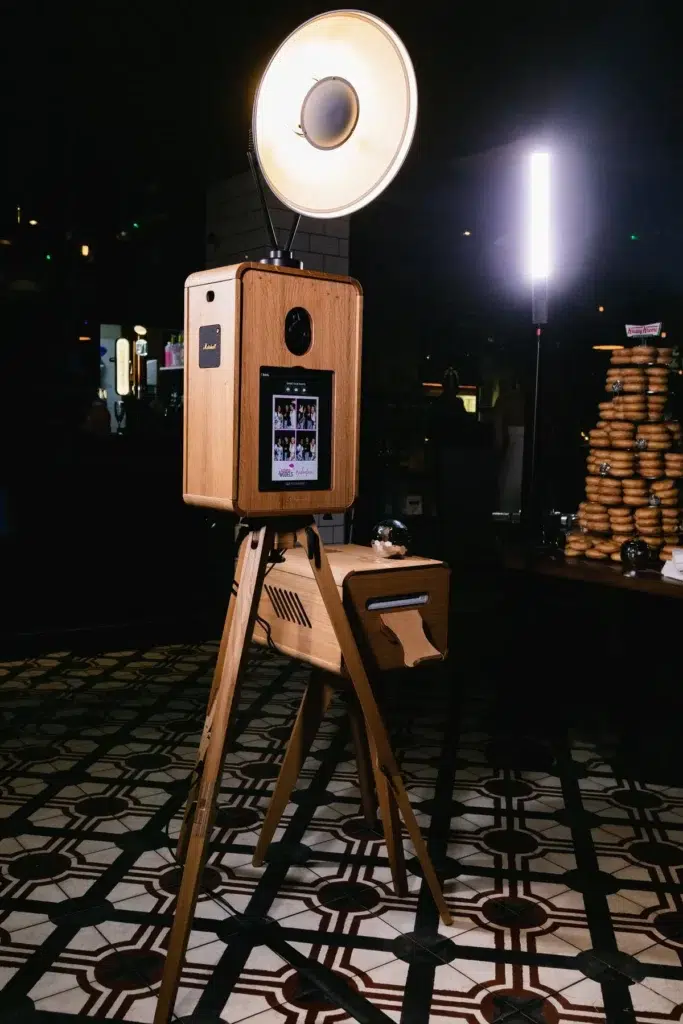
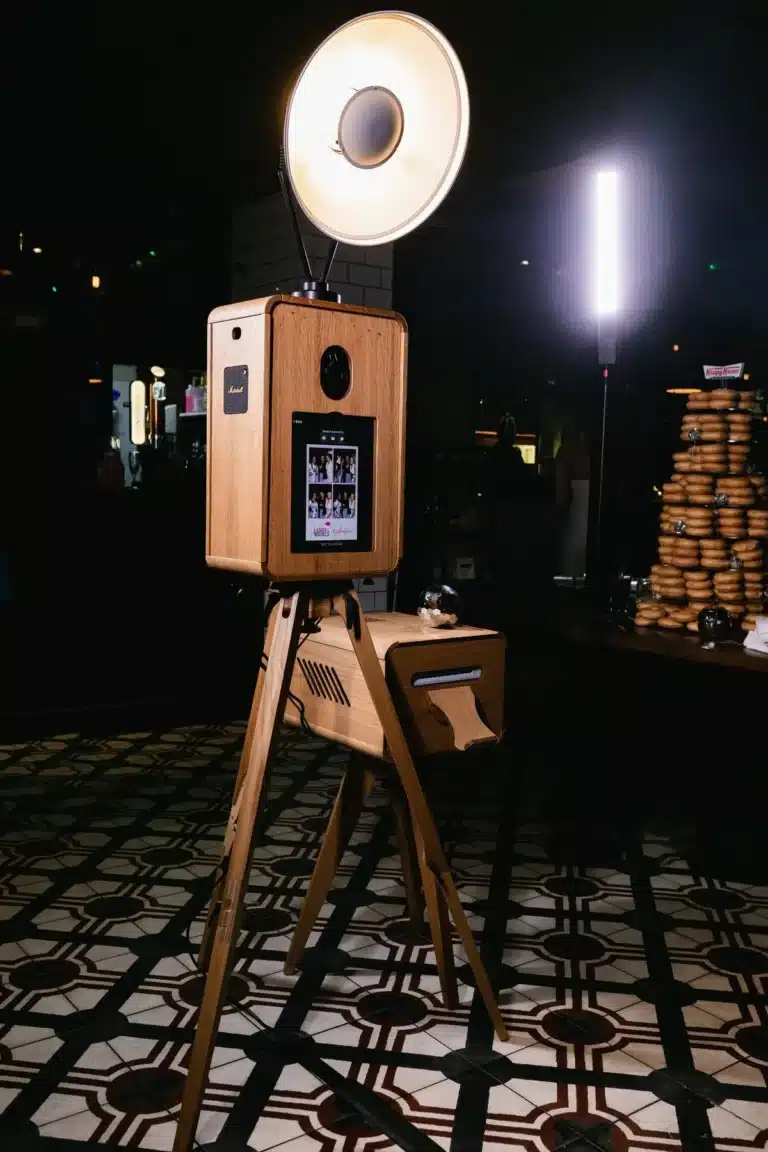
For a gala where the focus is on dressed-up portraits, consider Signature GLAM. The hosted experience creates black-and-white photographs with printed keepsakes and digital delivery, with the exact package agreed in advance.
Place the setup where guests can find it during the reception without blocking cloakrooms, catering or entrances. Use the event title or a restrained company mark in the photo design. Let guests choose individual, pair or small-group photographs within the space available.
Agree the operating plan around dinner and formalities. If there is a later portrait window, confirm it within the booked hours. The booth does not replace separately arranged stage, award-presentation or roaming photography.
Example B: a company milestone mosaic
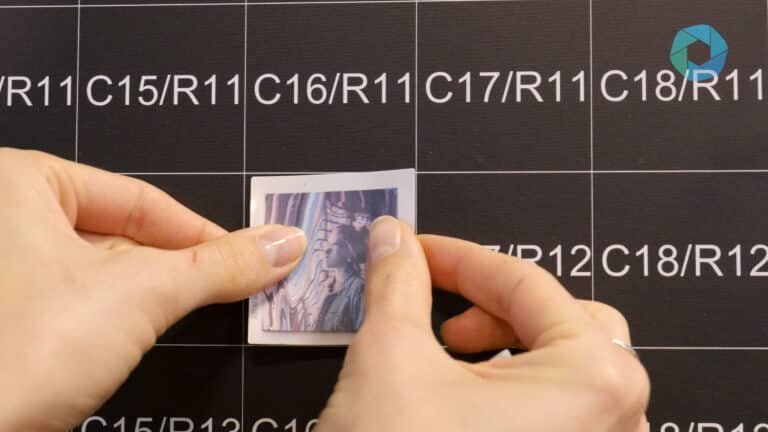
For a shared physical artwork, Mosaic Wall Live includes an ICON Booth and printed guest photo tiles. Guests keep a photo print while their coded tile contributes to the larger image.
Choose the master artwork before the event and agree the contribution plan, completion approach and handover. Position the capture point, tile station and wall as one guest journey. A gala timetable should allow participation without pulling people away from speeches or seated service.
If colleagues need to contribute remotely, discuss the separate Digital Mosaic instead. It accepts QR or link uploads and builds on screen; display, internet, moderation and support are agreed for its operating window. It is not a physical printed wall.
Example C: a live portrait-drawing experience
AI Sketch Bots turn a guest photograph into an illustration that a robot physically draws on paper. Guests can watch the process and collect their portrait, making the creation part of the evening’s activity.
Choose an illustration style that fits the event and review the proposed paper design. Plan the drawing and collection area so guests can see the work without obstructing service. The bot configuration, style and operating period determine the suitable capacity; do not promise every portrait instantly.
This is an alternative creative brief, not an assumption that sketches and another experiential installation can all run together. Ask MooMuu to confirm the proposed arrangement for your date.
Build the experience into the running order
- Before arrival: allow the agreed access, setup and testing period, with the venue contact available.
- During the reception: make the invitation easy to find and explain how guests receive or collect their output.
- During formalities: follow the agreed operating or pause plan so the experience does not compete with speeches, awards or dinner service.
- After dinner: reopen or continue only as agreed, with clear queue and collection arrangements.
- At the end: confirm artwork handover, collection access and any later file delivery.
These are planning stages, not fixed hire hours. A split schedule, extended evening or move between rooms needs to be included in the proposal.
Keep participation comfortable
Provide clear instructions, a welcoming host where included, and an easy way to decline. Discuss seated access, posing and collection assistance in advance. Do not assume every guest wants their photograph taken or wishes to appear in company publicity.
If a lighter self-service photo option is the better fit, the Digital Booth is print-free and normally without an on-site attendant. Its staffing and output are different from the hosted portrait examples.
Agree the content you need afterwards
Confirm which files, keepsakes or artwork are included, how they are delivered and any gallery download deadline. If your communications team needs wider event coverage, give the separately appointed photographer or filming team a clear brief.
Plan intended image use and any optional data capture before the event. For practical next steps, see our corporate content-capture guide and branding guide.
Plan your gala experience
Send your gala date, venue, guest numbers and running order, even if still provisional. Tell us whether the priority is portraits, physical keepsakes or a shared artwork, and we can shape a suitable proposal.
Request a tailored corporate proposal or compare corporate experiences. For a wedding or private celebration, tell us about your event.