
Mosaic Wall Versus Guest Book for Events
Compare a written or photo guestbook with MooMuu’s physical Mosaic Wall and Digital Mosaic, including keepsakes, guest flow, extra prints and handover.
A guestbook keeps personal messages. A mosaic wall turns guest photographs into a larger shared image. Neither replaces the other: choose the words, photographs or artwork you want to keep, then plan how guests will contribute.
The practical distinction matters more than which option sounds more impressive. A book needs a comfortable place to write; a physical mosaic needs room for photography, tile placement and viewing. Digital Mosaic uses a separate on-screen and online workflow.

A quick way to choose
- Written or photo guestbook: choose it for personal notes, with an additional print if you want a photograph beside each message.
- Physical Mosaic Wall: choose it for guests to place printed photo tiles into an artwork that develops during the event.
- Digital Mosaic: choose it for photographs submitted by QR code or link, including from different locations, with a final digital artwork.
What a guestbook gives you
A handwritten note can hold a shared memory, a wedding wish or a message marking a company milestone. Give guests a short prompt and enough space to write in their own way. A book works at a small celebration or a larger event when people can find it easily.
For a photo guestbook, confirm a compatible printed-booth package, the book, additional photographs and attendant assistance. The extra copy belongs on the page, leaving guests their own print. MooMuu does not supply props; the photographs and messages can be the focus.
What Mosaic Wall Live includes
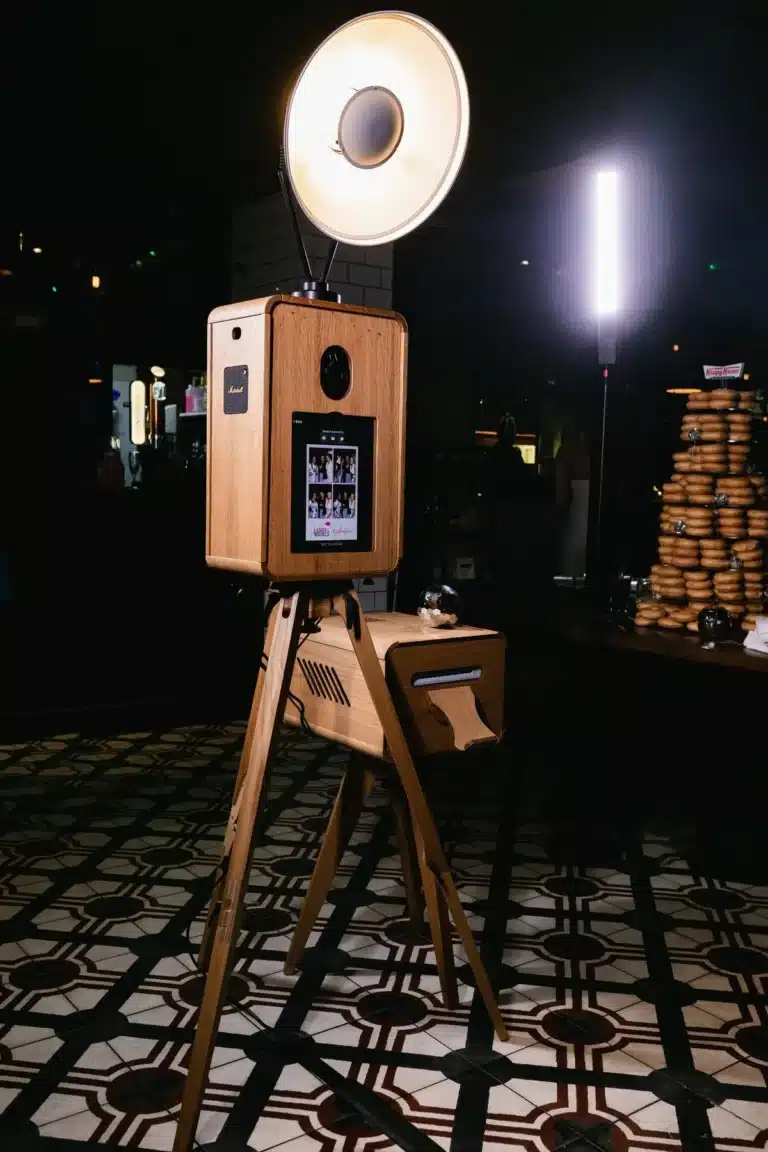
Mosaic Wall Live includes an ICON Booth. Guests take a photograph, receive a keepsake print and a second, coded photo tile, then place the tile in its marked position. MooMuu’s team manages the booth, guest flow and mosaic build.
The finished image might be a portrait, logo or campaign artwork. Agree the master image, tile quantity, operating period and completion plan in advance. A tile is part of the artwork, not a guestbook page, and the mosaic does not collect handwritten messages.
The physical artwork is yours to keep unless the proposal states otherwise. Plan its safe handover and transport, and ask separately about framing.
Where Digital Mosaic fits
The separate Digital Mosaic lets guests take or upload photos through a QR code or branded link. Contributions build a larger image on screen, with the completed high-resolution artwork delivered digitally. It is not a book of written messages or a physical tile wall.
Choose attended on-site delivery or remote monitoring during an agreed operating window. Confirm reliable internet, display arrangements and any optional image moderation. This can suit remote or multi-site participation where guests cannot all visit one physical wall.
For weddings and celebrations
Choose a book if you most want to revisit personal words alongside the photographs. Choose a physical mosaic if you want guests to help build an artwork during the reception. Consider your running order, guest preferences and space rather than assuming everyone will prefer the same activity.

A written message can be an option for someone who does not want a photograph. Keep each invitation clear and participation optional, whether you choose a book, a wall or both.
For corporate events
A signing book can suit a farewell or anniversary. A mosaic can suit a shared campaign image or team portrait. Start with the objective, then compare interactive installations and plan guest engagement around the audience.
MooMuu can provide data capture. Discuss the required fields, guest choices and delivery for the selected setup. Neither a written message nor a mosaic contribution automatically becomes a qualified lead, and tile counts are not necessarily unique participant counts.
Can you have a wall and a guestbook?
Yes, with each part included in the plan. Keep three outputs distinct: the guest’s keepsake print, the coded mosaic tile and an additional photo for the book. Ask for the book, extra copy and attendant assistance in the quote; do not use the wall tile or take away the guest’s own print.
Position the writing area so guests can leave a message without blocking those taking photos or placing tiles. Agree who collects the book and how the finished artwork will be taken home. You can keep both words and a shared image without asking every guest to do everything.
Choose the keepsake that matters to you
Request a Mosaic Wall Live proposal or enquire about Digital Mosaic. Share your date or approximate month, venue, guest numbers and the image you would like to create. We will confirm availability, the right format and a tailored price. Your plans do not need to be final.
Compare MooMuu experiences or read the product FAQs.