
9 Brand Activation Concepts That Feel Premium

9 Brand Activation Concepts That Feel Premium

Explore brand activation concepts that feel refined, design-led and memorable, with ideas that create standout guest engagement and lasting impact.

The quickest way to make a brand event feel forgettable is to treat engagement as an afterthought. The strongest brand activation concepts do the opposite. They build interaction into the visual language of the event, giving guests something to step into, shape and share – while keeping the overall atmosphere polished, intentional and unmistakably on brand.

For luxury-facing businesses and design-conscious corporate teams, that distinction matters. An activation should never feel like a bolt-on attraction fighting for attention in the corner of the room. It should behave more like an installation – a considered part of the guest journey that adds theatre, generates content and leaves people with a clear sense of who the brand is.

What makes brand activation concepts actually work

A strong idea is only part of the equation. The most effective activations succeed because they align three things at once: visual appeal, audience participation and brand relevance. If one of those is missing, the experience may still look good, but it will struggle to deliver a lasting impression.

Visual appeal matters because people decide within seconds whether something is worth approaching. At a launch, gala, awards evening or public-facing campaign, the installation has to hold its own in a carefully styled environment. Materials, lighting, finish and spatial design all shape that first reaction. If the experience looks refined, guests assume the outcome will be too.

Participation matters because passive displays rarely hold attention for long. Guests want a role in the experience, whether that means creating an image, contributing to a live artwork or interacting with technology in real time. The more intuitive the journey, the more likely people are to engage without needing to be persuaded.

Brand relevance is the detail that separates a memorable activation from a generic one. A beautifully designed experience still needs to reflect the campaign, the audience and the tone of the event. Sometimes that means subtle branding and elevated styling. Sometimes it means a bold visual statement. The right answer depends on the room, the objective and the guests you are trying to reach.

9 brand activation concepts for standout events

1. Editorial photo moments

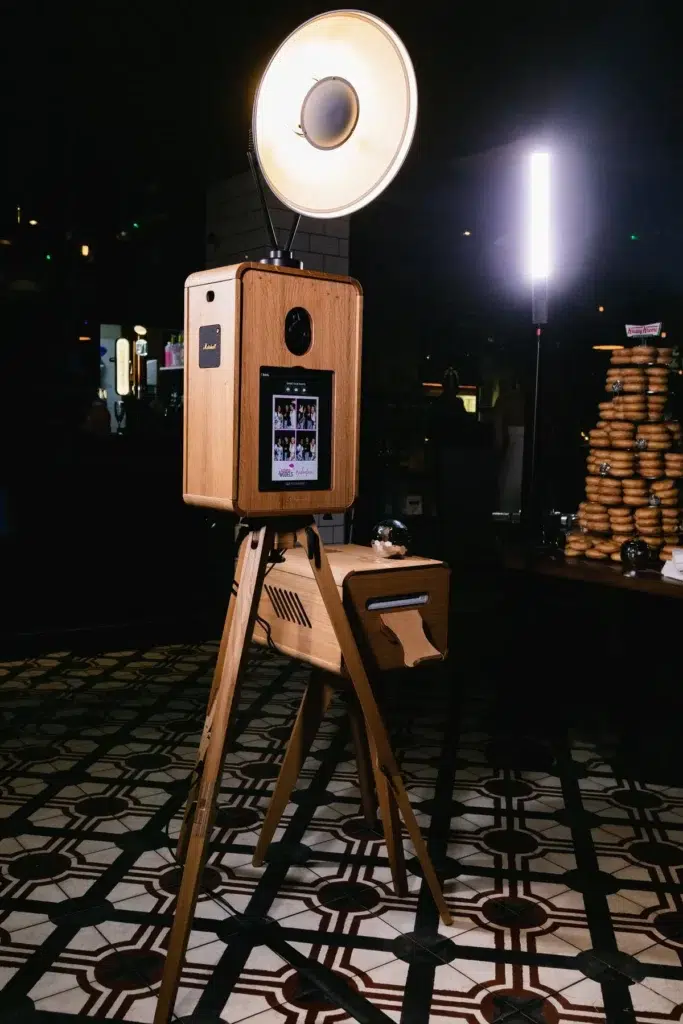
A premium photo installation remains one of the most versatile activation formats because it delivers both immediate guest enjoyment and polished brand assets. The difference is in the execution. A design-led booth or portrait set with refined lighting, elegant framing and a tailored visual treatment feels far removed from standard event entertainment.

For fashion, beauty, hospitality and luxury retail brands, this approach works particularly well because it mirrors the visual standards guests already associate with the brand. Black-and-white glamour photography, minimalist studio-style portraits or retro-inspired image capture can all feel elevated when the styling is cohesive.

2. AI portrait experiences

AI-led portrait activations offer a more contemporary take on guest participation. Instead of receiving a standard event photograph, attendees become part of a creative process that produces stylised artwork or transformed imagery in real time. That sense of novelty draws people in, but the visual quality is what determines whether the experience feels premium.

This format suits product launches, modern corporate events and campaigns where innovation is part of the message. It signals a brand that is forward-thinking, but there is a balance to strike. If the interface or output feels gimmicky, the experience loses its polish. The strongest executions keep the technology impressive while ensuring the artwork still feels curated.

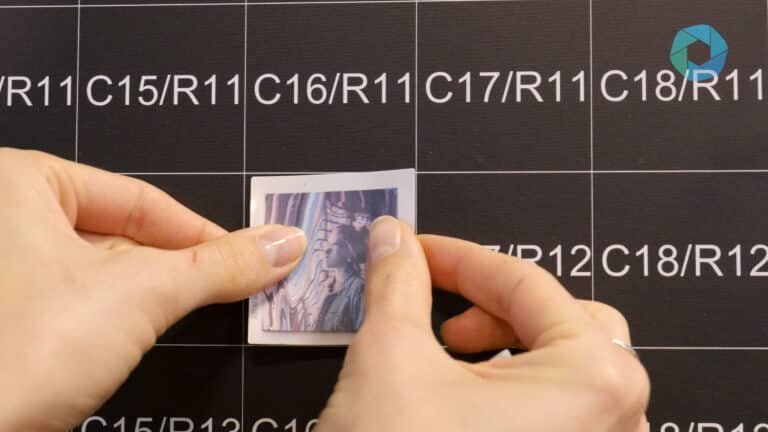
3. Live mosaic walls

A mosaic wall gives a brand event something many activations lack – momentum. As each guest image is added, a larger artwork begins to emerge, turning individual participation into a collective visual story. It creates a natural sense of curiosity because people want to see the final piece take shape.

This concept is particularly strong for conferences, milestone celebrations and internal culture events where community is part of the theme. It also works beautifully in public-facing environments because it attracts attention over time rather than peaking in a single moment. The final reveal becomes part keepsake, part talking point.

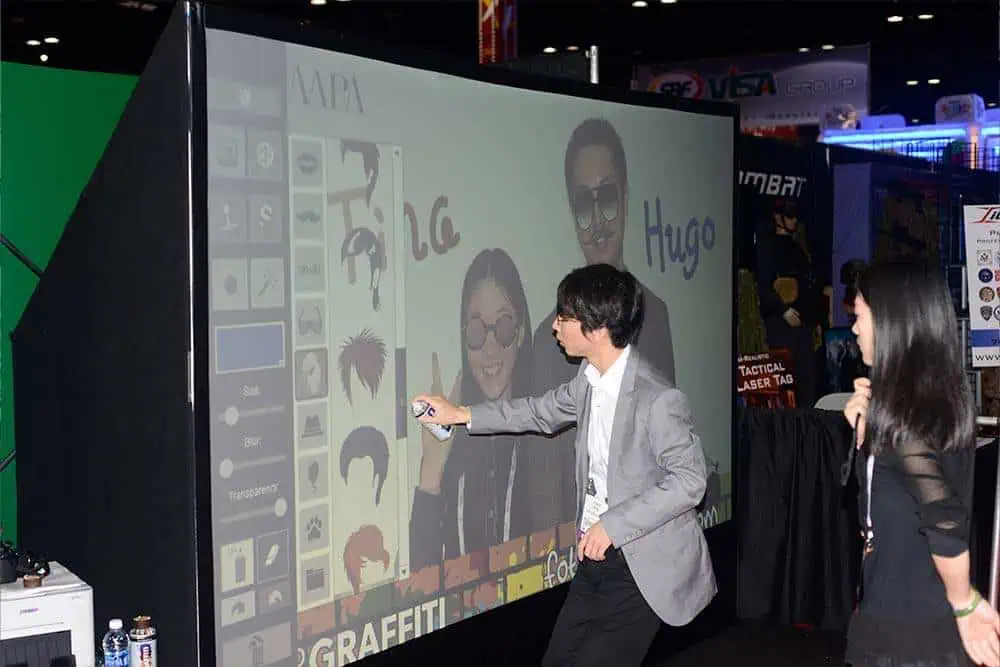
4. Interactive graffiti walls

For brands wanting stronger energy without losing control of the finish, an AI graffiti wall can offer the right tension. Guests contribute to a digitally led artwork that feels bold and expressive, while the final output remains considered and event-appropriate.

This is especially effective for brands with a creative, youthful or disruptive edge. The key is knowing whether the concept fits the setting. In a sleek product launch, it can feel sharp and modern. In a more traditional environment, it needs careful styling so the activation enhances the space rather than jar against it.

5. Personalised content stations

Guests are far more likely to value content when it feels tailored to them. Personalised activations allow attendees to receive branded visuals, artworks or mementos shaped by their choices, image or interaction. That could mean a customised portrait treatment, a branded print outcome or a digital asset created during the event.

From a brand perspective, personalisation extends dwell time and deepens recall. From a guest perspective, it feels considered. That exchange is what makes the format effective. People are not just consuming the experience. They are leaving with something that feels made for them.

6. Statement entrance activations

Not every activation needs to happen once guests are settled. Some of the most successful concepts begin at the point of arrival. A well-designed entrance moment can establish tone immediately, create anticipation and direct guests into the event narrative from the first step inside.

This might take the form of a portrait station, a branded visual installation or an interactive welcome experience that generates content from the outset. The benefit is obvious: the room starts with energy rather than waiting for it to build. The trade-off is that arrival points can become congested, so the experience must be beautifully managed as well as beautifully designed.

7. Campaign-led social content corners

There is a difference between an activation that happens to be photographed and one that is conceived with shareability in mind. A social content corner, when done properly, gives guests a reason to create and post without making the event feel overly commercial.

The most effective versions are lightly branded, visually disciplined and built around a clear campaign idea. This could be a sculptural set, a portrait environment or an AI-led visual moment tied to a launch theme. The point is not to force social sharing. It is to make sharing feel irresistible because the content looks exceptional.

8. Heritage-meets-tech installations

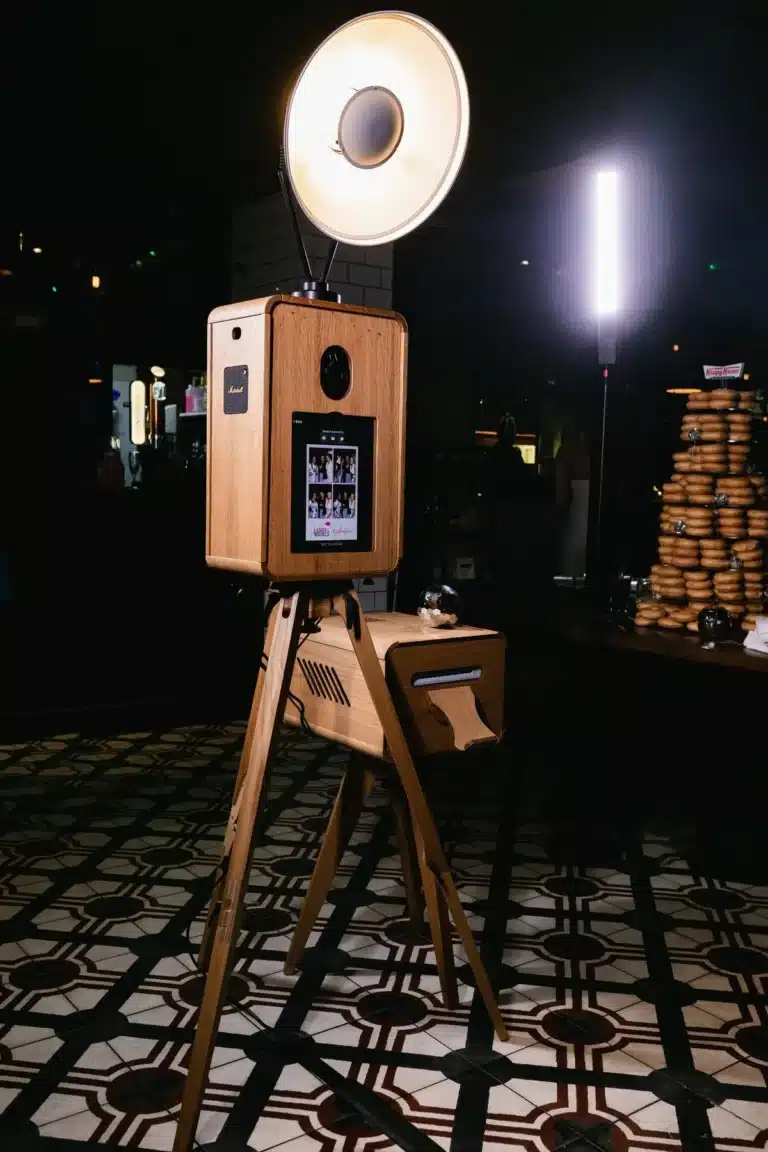
One of the most interesting directions in premium events is the pairing of tactile design with contemporary interaction. Think crafted finishes, elegant structures and visually warm materials combined with digital capture, AI output or live creative technology. That contrast feels current because it avoids the clinical atmosphere that tech-heavy activations can sometimes create.

For brands operating in luxury, hospitality or premium lifestyle sectors, this blend is especially effective. It communicates innovation without sacrificing warmth. Guests get the excitement of something modern, but within an environment that still feels sophisticated and inviting.

9. Multi-touchpoint activation journeys

Sometimes a single installation is enough. Sometimes the strongest answer is a series of connected moments across the event. A guest may begin with a portrait capture, see their contribution added to a live mosaic later in the evening, and leave with a finished branded asset after the event. That layered journey extends engagement and makes the activation feel more integrated.

This approach suits larger events, longer-format experiences and brands with multiple messages to express. It does, however, demand clear creative direction. Without that, the activation can feel fragmented. The value lies in continuity – each element should build on the last.

Choosing the right brand activation concepts for your audience

The best activation is rarely the one with the most features. It is the one that feels right for the audience in front of it. A corporate hospitality event may call for understated elegance and beautifully captured content. A public campaign may need spectacle and pace. A luxury brand launch often demands both visual restraint and a memorable interactive twist.

That is why objective comes first. If the goal is brand awareness, the activation needs high visibility and strong shareability. If the goal is guest experience, quality of interaction matters more than volume. If the goal is content creation, output and finish become central. Many events need a combination of all three, but one usually leads.

Practical details matter too. Space, guest flow, venue style and timing all influence what will work. A dramatic installation can lose its effect if it interrupts the room layout or causes queues in the wrong place. Likewise, a highly detailed experience may be wasted at a fast-moving event where guests only have a few moments to engage.

Why premium execution changes the result

Two events can use the same broad idea and produce completely different outcomes. The difference is usually not the concept itself. It is the level of curation around it. Styling, lighting, pace, host presence, printed finishes, digital output and how naturally the activation sits within the space all shape perception.

At the premium end of the market, guests notice those details. They notice whether the visuals are crisp, whether the installation feels integrated, whether the interaction is smooth, and whether the final content is something they genuinely want to keep or share. A refined activation does more than entertain. It reflects well on the host brand.

That is why the most successful brand experiences feel considered from every angle. They are creative, certainly, but they are also disciplined. They know exactly what they are trying to make people feel.

The most memorable events rarely shout for attention. They create a moment guests want to step towards, stay with and talk about afterwards – and that is where the right activation earns its place.

You May Like This