
How to Choose Event Backdrops That Look Right
A practical backdrop checklist for MooMuu events: start with the experience, check the camera view and venue, then agree styling, branding and responsibilities.
Choosing an event backdrop starts with the experience you are booking. A photographic background, a branded set and a digital canvas do different jobs. An attractive venue wall may suit a mood board, but it still needs checking in the camera view and the proposed lighting.
For weddings, parties and corporate events, build a brief around the photographs or artwork you want guests to receive. Include a picture of the room, your preferred experience and any visual references. Treat inspiration images as ideas, not confirmation that every decorative element is included.
Match the backdrop to the MooMuu experience
Signature GLAM uses a black or white backdrop with controlled studio lighting and bespoke monochrome processing. Confirm that setup before adding flowers, coloured lights or reflective decoration around it. The portrait requirements should guide the space.
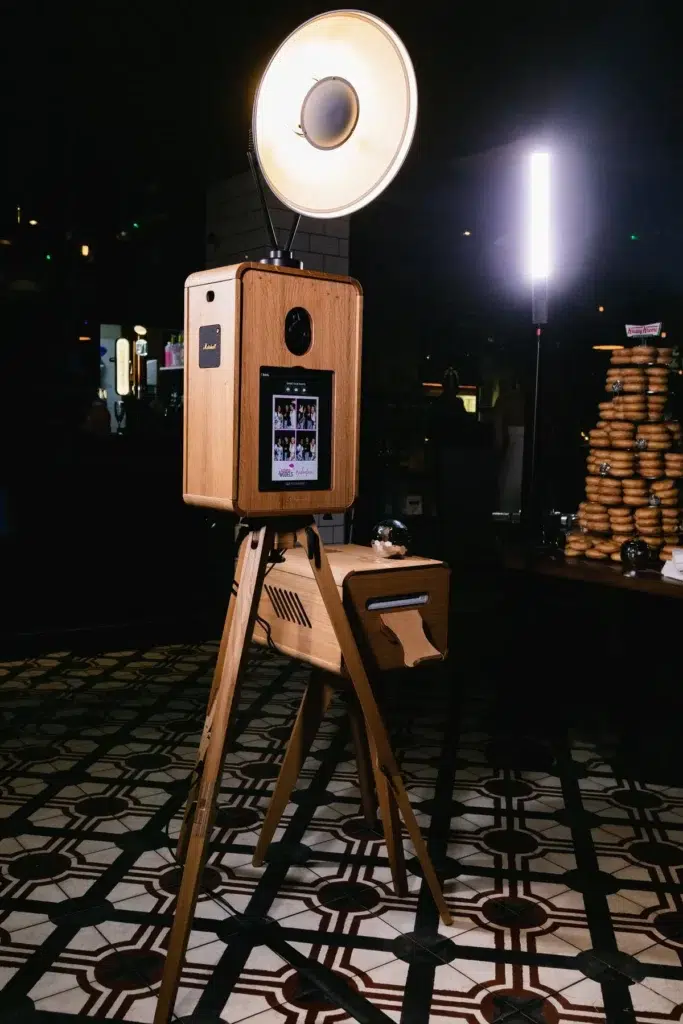
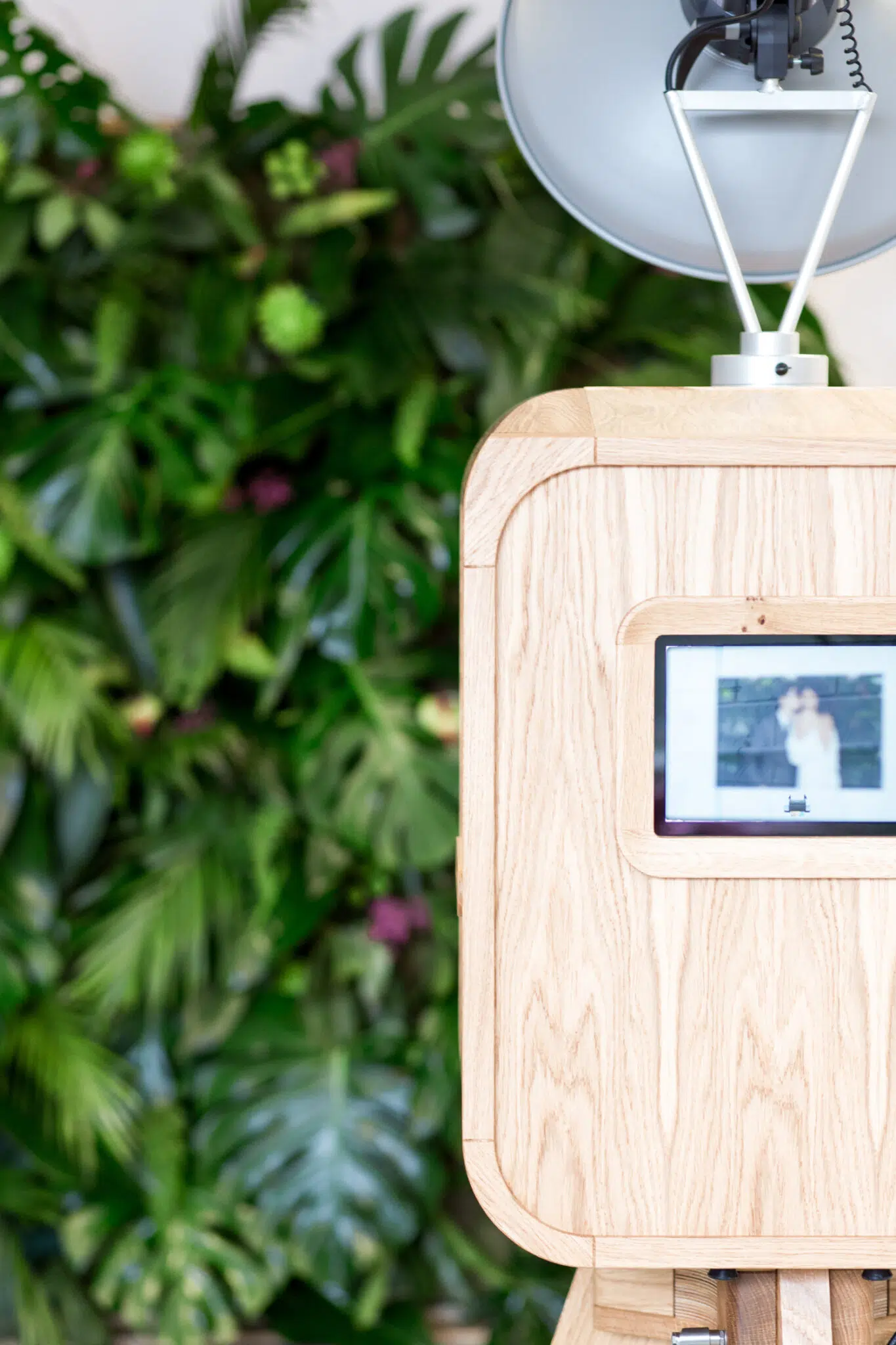
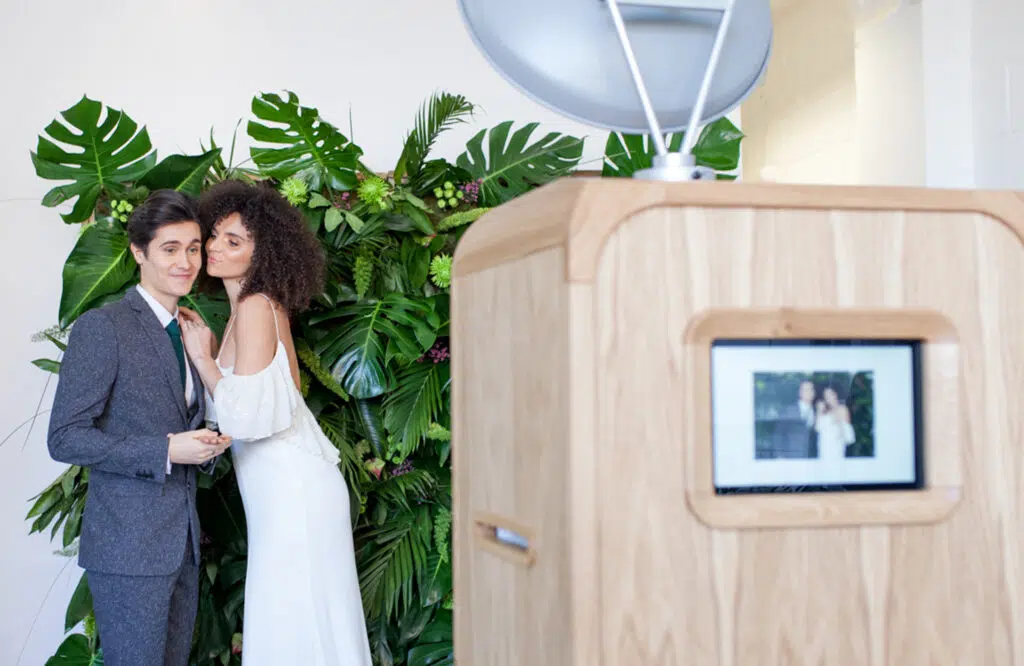
For the Luxury Oak Booth, choose a suitable photographic backdrop with MooMuu. Its wooden equipment finish and the background behind guests are separate design decisions. Confirm the selected backdrop in the quote; do not assume that every wall or fabric in an example photograph is available.
The ICON Booth also benefits from a suitable backdrop, which is recommended for its attended colour photography. Share your preferred look and the space available so the final selection can be agreed.
The Digital Booth is self-service and print-free, with no large freestanding backdrop as standard. Discuss a suitable background and lighting for its position. Delivery, installation, testing, collection and remote support are provided; an attendant does not normally stay on site.
Check the camera view, not only the room
Ask to see examples of the chosen photography style, then consider what will sit behind the people in your photographs. A busy pattern, mirror, doorway or bright window may need a different position or setup. Finishes should be assessed with the actual lighting; no colour or material guarantees a particular photographic result.
Plan for the group sizes you expect. The backdrop needs to cover the agreed camera view, with room for guests, lighting and equipment. A nominal backdrop width alone does not tell you whether the complete installation will fit.
Keep branding readable in the finished output
For a corporate event, share the logo files, colours and intended use of the photographs. Review a proposed design at the size guests will receive it, not just as a large presentation image. Confirm whether branding belongs on the physical background, the print layout or a digital output; these are different items to scope.
Guests may cover parts of a background when they stand in front of it. Keep essential wording clear in the approved output layout, and check it with representative portraits before sign-off. Branded photographs can support an event, but they do not guarantee social posts, enquiries or sales.

MooMuu can provide data capture. If required, agree the fields, purpose, guest choices, consent wording and delivery as a separate part of the guest journey. A backdrop or branded print does not collect information by itself.
Separate physical scenery from digital artwork
An AI-generated background is an output choice, not a physical backdrop guests stand against. Likewise, the Graffiti Wall is a digital canvas used with digital spray cans, without physical paint on venue walls. AI Line 2 Life is optional. Agree the chosen experience’s capture, screen and operating requirements before commissioning surrounding scenery.
Confirm venue access and supplier responsibilities
Share a floor plan showing power, entrances, exits and service routes. Include the full unloading route and any stairs or narrow doorways. Luxury Oak cannot be carried up or down stairs; a suitable lift or ramp route needs assessment. Any outdoor proposal needs specific approval for weather protection and operating conditions.
MooMuu does not supply props. Flowers, draping, furniture and decorative structures supplied by a venue or stylist should be agreed separately unless expressly included in your quote. Confirm who installs, checks and removes each item, and keep decoration clear of the equipment and guest routes.
Agree the final plan before the event
Your approved brief should identify the experience, backdrop, lighting, operating area, artwork and supplier responsibilities. Confirm setup access, hire hours and collection, including any room turnaround. Ask about changes early; a new backdrop or a move to another room may require reassessment.
Send MooMuu your date, venue and backdrop ideas, or compare the experiences first. We can discuss what is suitable and included. An enquiry or availability check does not reserve your date.