Interactive Photo Booth for Brand Activations
See how an interactive photo booth for brand activations turns footfall into premium, shareable content with polished design and measurable impact.
A crowded event floor tells you very little. People may glance, pause, then move on. What changes the atmosphere is participation – the moment guests stop being passive attendees and become part of the brand story. That is where an interactive photo booth for brand activations earns its place. Done well, it is not a novelty in the corner. It is a design-led installation that invites engagement, creates polished content in real time, and leaves guests with something worth sharing.
For brands investing in live experiences, that distinction matters. A generic setup can generate a brief queue. A considered, premium installation can hold attention, shape perception, and extend the life of an event long after the final guest has left.
Why an interactive photo booth for brand activations works
Brand activations succeed when they give people a reason to step in, interact, and remember what they experienced. A static display may communicate information, but interaction creates a stronger emotional imprint. Photography is especially powerful because it combines participation with proof. Guests do not just encounter the brand – they see themselves inside it.
That shift has commercial value. A well-executed booth creates branded imagery, social-ready moments, and a natural gathering point on the event floor. It can support product launches, retail pop-ups, press events, corporate celebrations, and public-facing campaigns with equal confidence, provided the concept is tailored properly.
What makes the difference is the standard of execution. Design, lighting, styling, user journey, and image quality all influence how the activation feels. If the booth looks like an afterthought, the brand does too. If it feels curated, intuitive, and unmistakably premium, that impression carries straight through to every image shared afterwards.
The best activations feel like installations, not equipment
The strongest brand experiences are never built around hardware alone. They are built around a guest journey. From first glance to final share, every step should feel intentional.
That usually begins with visual pull. The installation needs to stop people in their tracks without overwhelming the wider event design. For luxury-led brands, that often means refined materials, elegant framing, editorial lighting, and a backdrop or surround that feels aligned with the campaign rather than bolted on at the last minute.
Then comes ease. Guests should understand what to do almost instantly. Whether they are stepping into a digital booth, posing for a glamour-led black-and-white portrait, contributing to a live mosaic, or interacting with AI-generated artwork, the process must feel effortless. Complicated participation points can reduce uptake, especially at busy events where attention is already fragmented.
The final layer is payoff. People engage more readily when the result feels immediate and impressive. That might be a beautifully lit portrait, a branded digital share, a live visual build on screen, or a personalised artwork created on the spot. The interaction needs to feel rewarding enough that guests want to talk about it.
Choosing the right format for your audience
Not every interactive photo experience serves the same purpose. The right choice depends on your venue, audience, campaign objective, and brand world.
A digital booth is often the most versatile option for high-footfall activations. It suits fast guest turnover and can deliver polished branded content quickly, making it ideal for corporate parties, launches, and public events where shareability matters.
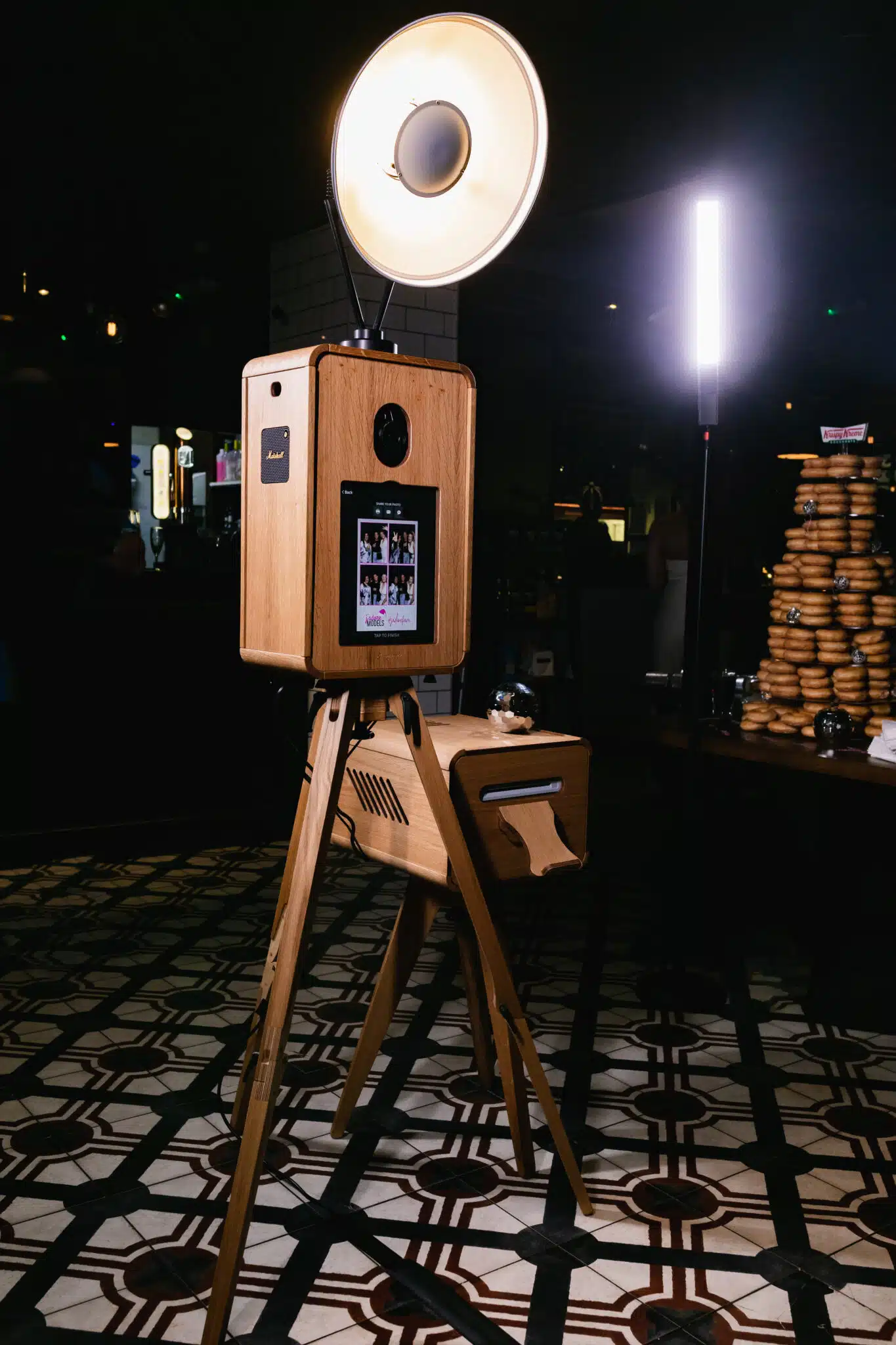
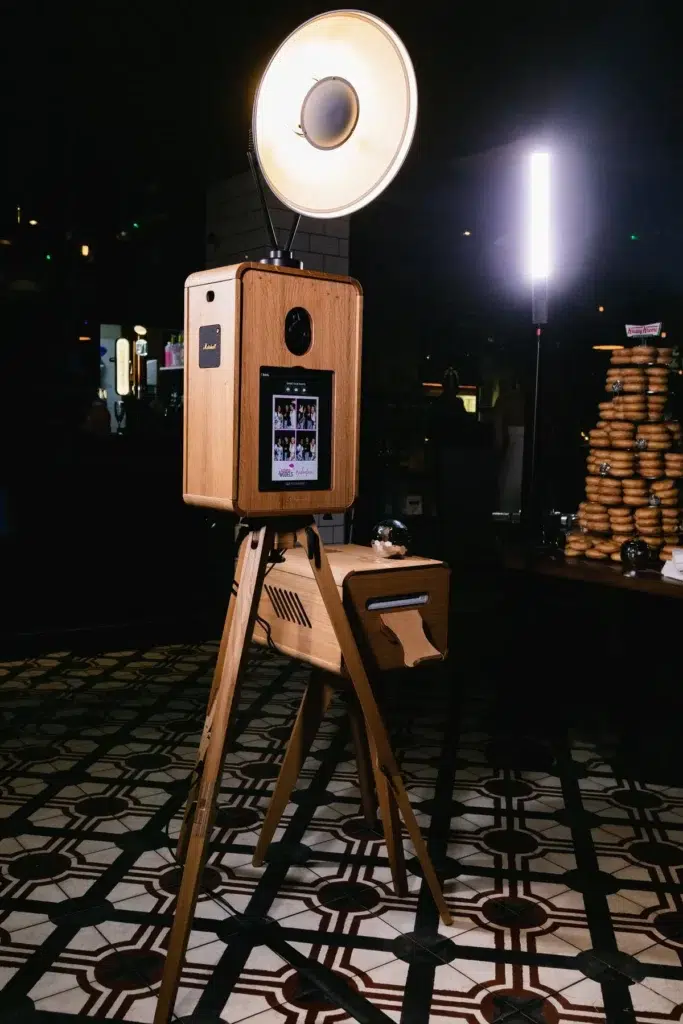
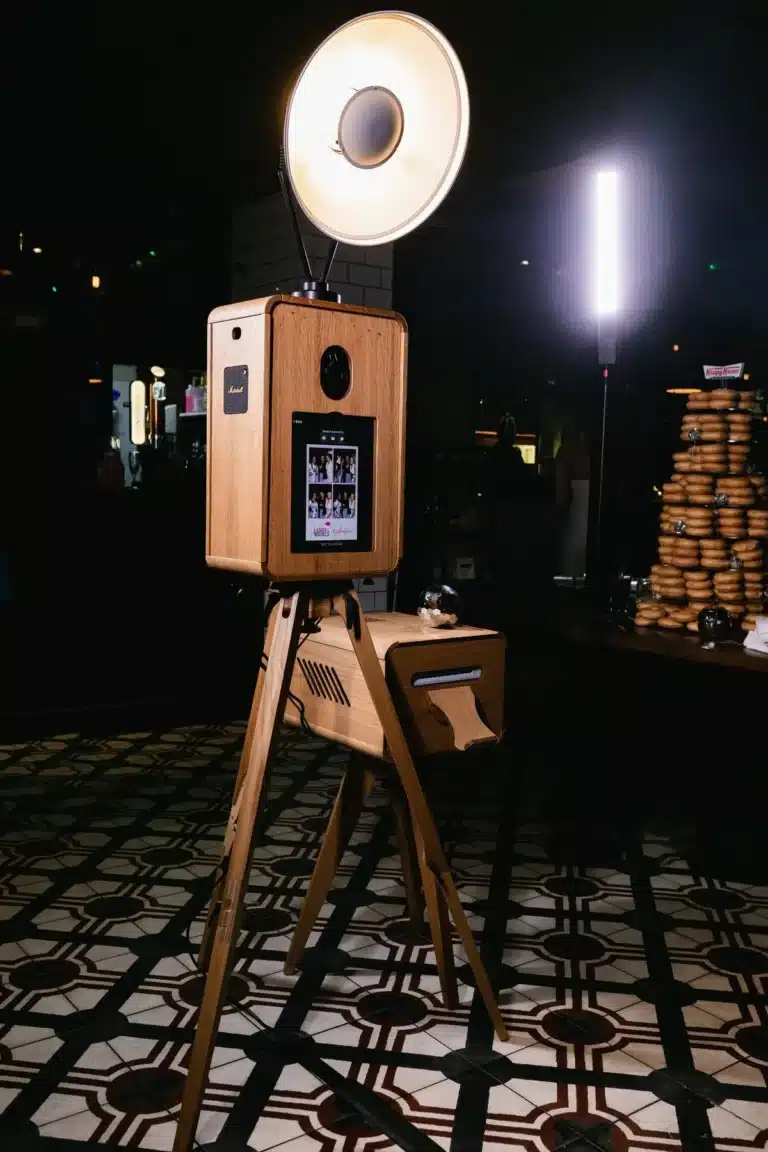
A retro-style booth or oak-crafted installation brings a more tactile, design-conscious presence. This works particularly well where aesthetics matter as much as engagement – think premium hospitality settings, fashion-led events, or luxury brand environments where every detail is under scrutiny.
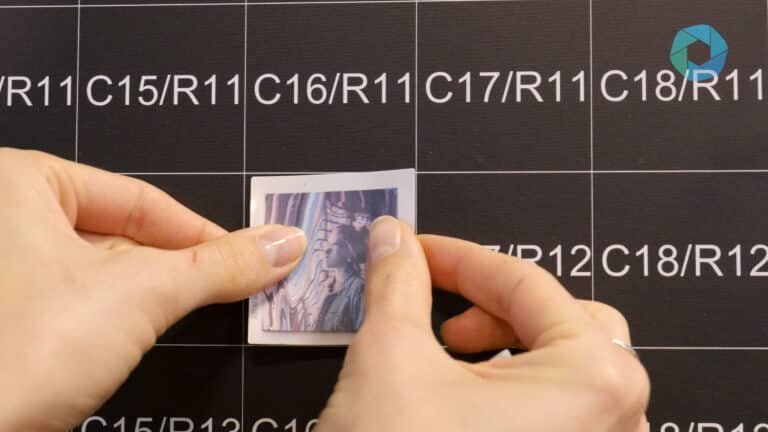
For campaigns that need a stronger spectacle, AI-led activations and live-build experiences can create a deeper layer of interaction. An AI Sketch Bot or AI Graffiti Wall gives guests something more personalised and unexpected, while a Mosaic Wall turns individual moments into a collective visual statement throughout the event. These formats are especially effective when the brand wants to show innovation without losing polish.
There is, however, a trade-off. More immersive formats can require a little more dwell time and a little more explanation. That is not a drawback if the event is designed for considered engagement. It simply means the activation should match the pace of the room.
What premium brands should care about most
For discerning brands, the question is not simply whether people will use the booth. It is whether the experience strengthens brand perception.
Image quality sits at the centre of that. Guests may forgive many things at a lively event, but they notice poor photography immediately. Harsh lighting, weak composition, and low-grade output can make even a beautifully designed activation feel underwhelming. By contrast, clean, flattering photography gives the whole event a more elevated finish.
Styling matters just as much. Props, branding, screen design, overlays, print finishes if used, and even the physical silhouette of the booth should feel considered. At premium events, visual clutter can cheapen the atmosphere very quickly. A restrained, editorial look usually travels further than over-branding.
Operational delivery is another factor that often goes unseen until it goes wrong. An activation can look exquisite in a proposal deck, but if load-in is disruptive, staffing feels uncertain, or troubleshooting becomes visible to guests, the illusion breaks. For corporate teams and agencies, reliable end-to-end delivery is part of the product.
How to make branded content feel desirable
There is a difference between branded content and content people genuinely want to keep. The best activations understand that guests are more likely to share imagery that flatters them and reflects the event beautifully.
That is why subtle branding tends to outperform heavy-handed treatment. A refined logo placement, elegant event artwork, or a thoughtfully integrated campaign motif can be enough. When the image still feels stylish on its own terms, guests are far more inclined to post it.
This is especially relevant for luxury and lifestyle brands. If every output looks overtly promotional, the content may satisfy internal branding requirements but fail the social test. If it looks polished, aspirational, and event-appropriate, it has a much better chance of extending reach organically.
Measuring success beyond the queue
A busy booth is encouraging, but footfall alone is a limited measure. The more useful question is what the activation actually delivered.
For some brands, success is volume – how many interactions, images, shares, or email captures were generated. For others, it is perception – did the installation become a talking point, support the campaign aesthetic, and raise the quality of the overall event experience? Often it is both.
This is why objectives should be clear from the outset. A product launch may prioritise social content and press-friendly visuals. A retail activation may focus on dwell time and data capture. An internal brand event may care more about staff engagement and a memorable atmosphere. The booth format, branding approach, and guest journey should follow that objective rather than the other way round.
The role of venue and event design
Even the most impressive installation needs the right setting. Placement affects everything from visibility to queue flow to how well the content photographs.
A booth positioned in a cramped or poorly lit area will struggle, no matter how strong the concept. Equally, placing an activation too centrally without considering circulation can create congestion that works against the wider event. The best results come when the photo experience is integrated into the floorplan early and treated as part of the event design rather than an add-on.
That is often where experienced delivery partners prove their worth. A premium activation should complement the architecture of the venue, respect the wider styling scheme, and feel fully resolved in context. For high-profile events, that level of planning is not extra polish – it is essential.
When a standard booth is not enough
Some campaigns need more than portraits and branded overlays. If the brief is to create a stronger statement, interactive formats can become the centrepiece rather than a supporting feature.
A live mosaic, for example, builds anticipation over the course of the event and rewards repeat attention. AI-led artwork can create a sense of innovation that feels current and memorable. Glamour-led black-and-white photography can shift the tone entirely, giving guests a more editorial result that reflects prestige rather than novelty.
For brands that care deeply about visual identity, this is often the more interesting territory. The activation stops being a service and becomes part of the event language itself.
For teams planning a public event, launch, or premium corporate celebration, the most effective starting point is not which booth to hire, but what you want guests to feel, photograph, and remember. From there, the right interactive photo booth for brand activations becomes much easier to define. If the experience is beautifully styled, intelligently matched to the audience, and flawlessly delivered, it does more than capture a moment – it gives your brand a more compelling presence in the room. For design-led installations and thoughtfully curated event experiences across the UK, MooMuu Experiential sets that standard with confidence.