
How to Integrate AI Into Live Events
Learn how to integrate AI into live events with refined, guest-led ideas that elevate weddings, parties and brand activations beautifully.
A live event can feel extraordinary for a few hours, then disappear into camera rolls and half-remembered moments. The smartest use of AI changes that. When considering how to integrate AI into live events, the goal is not to make the experience feel more technical. It is to make it more memorable, more personalised and more visually striking – while keeping the atmosphere polished and the guest journey effortless.
For luxury weddings, private celebrations and high-profile corporate events, AI works best when it enhances the tone of the occasion rather than competing with it. Guests should feel drawn into an installation because it looks beautiful and promises a moment worth sharing, not because it shouts about software. That distinction matters. The most successful AI-led activations feel curated, elegant and entirely at home within the wider event design.
Why AI belongs at live events now
There was a point when interactive technology at events often felt novelty-led. Flashing screens, clumsy branding and gimmicks had their moment. Expectations have changed. Clients now want experiences that are design-conscious, socially shareable and capable of delivering a genuine emotional response.
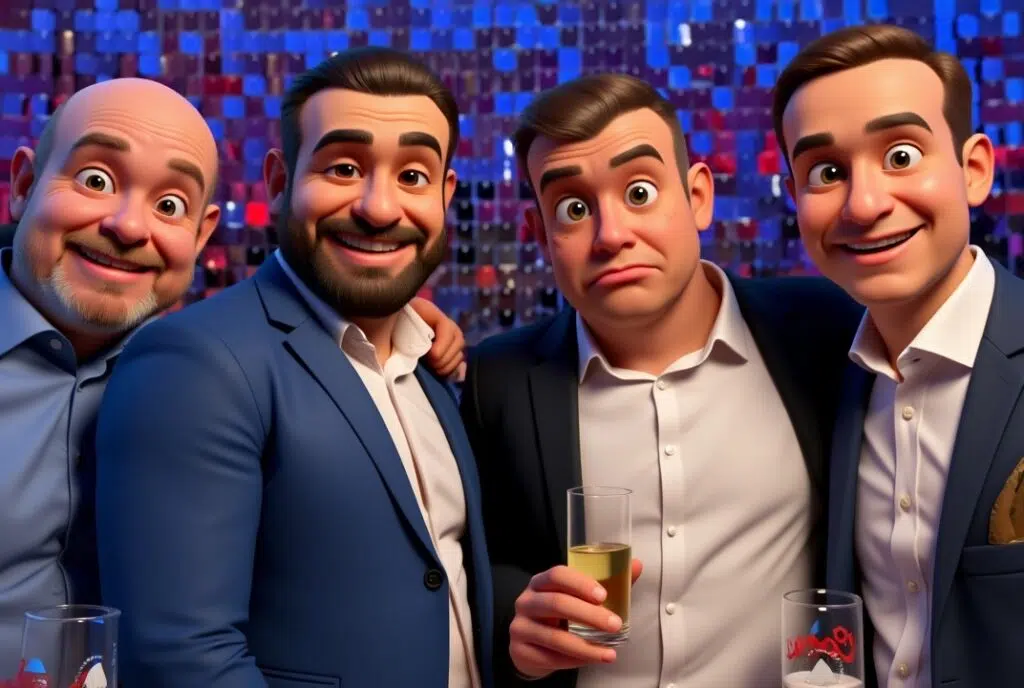
AI answers that shift particularly well because it can create something bespoke in real time. A guest is not simply pressing a button for a standard output. They are becoming part of a live creative process, whether that means receiving an AI-generated portrait, contributing to an evolving artwork or watching a branded visual build across the course of an evening.
For corporate events, that creates stronger engagement and better content value. For weddings and private parties, it adds theatre without sacrificing elegance. In both settings, AI can become a focal point that feels current, but still refined.
How to integrate AI into live events without losing the atmosphere
The biggest mistake is to start with the technology itself. Start with the room, the guests and the tone you want to create.
If you are planning a black-tie launch, an editorial-style AI portrait experience may feel perfectly judged. If you are hosting a luxury wedding in a country house or design-led barn venue, an AI activation should sit comfortably alongside florals, lighting and tablescape styling rather than jar against them. For a brand activation, the installation needs to do more than entertain. It should also produce content that extends the event’s reach and reflects the brand properly.
That means asking three questions early. What do you want guests to feel? What do you want them to leave with? And what do you want them to post?
Those answers will shape the right format far better than simply deciding you want “something with AI”.
Choose one hero activation, not too many
AI works best as a statement. One beautifully executed installation generally creates more impact than several competing touchpoints fighting for attention.
An AI Sketch Bot, for example, gives guests a compelling one-to-one interaction and a keepsake with personality. An AI Graffiti Wall brings a more expressive, collaborative energy and can be especially effective for launches, parties and fashion-led brand environments. A live Mosaic Wall offers a different kind of payoff – a visual reveal that builds over time and gives guests a reason to return later in the event.
The right choice depends on the pace of the occasion. If the event has a fluid drinks reception and lots of movement, a walk-up activation with strong visual appeal tends to perform well. If the guest experience is more structured, a portrait-led format can feel more exclusive and intentional.
Design matters as much as function
If an installation looks generic, guests will treat it that way. For premium events, visual integration is everything.
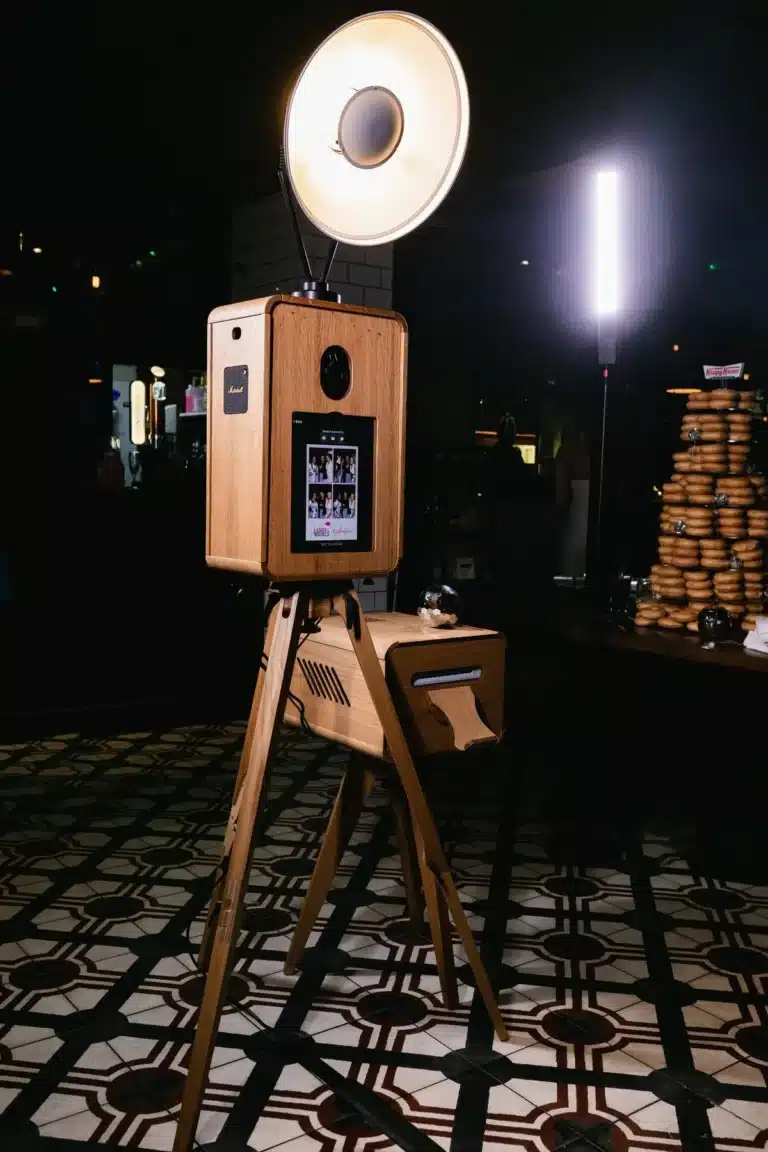
This is where many AI concepts succeed or fail. The interface, the backdrop, the print finish, the styling around the experience and even the way it is introduced by staff all shape whether it feels elevated. A beautifully housed booth or considered installation invites participation without lowering the tone of the room.
For weddings, this could mean matching the aesthetic to the setting with softened finishes, elegant signage and imagery that feels flattering rather than overly filtered. For corporate events, it may mean subtle brand integration, thoughtful use of colour and a finish that looks editorial rather than promotional.
Good AI should feel invisible in one sense. Guests notice the result first, and the technology second.
Where AI adds the most value at different event types
Not every live event needs the same form of interaction. AI earns its place when it serves the occasion.
At weddings, the value is emotional. Guests love taking home something personal, and couples want moments that feel special without becoming tacky or intrusive. AI-generated portraits, stylised sketch experiences and beautifully produced photo outputs can add a sense of occasion while still feeling in keeping with a refined celebration.
At private parties, AI can bring energy and conversation. It helps guests connect, gives the room a point of focus and creates keepsakes that feel less predictable than standard event entertainment.
At corporate events, the value is often broader. AI can support dwell time, data capture where appropriate, content creation and post-event brand visibility. It can also help a brand communicate innovation in a physical, guest-facing way. The caveat is that it needs clear creative direction. If the output does not align with brand standards, the experience may generate attention but not the right kind.
Make the guest journey feel effortless
When thinking about how to integrate AI into live events, it is easy to focus on the spectacle and forget the flow. The guest journey is what determines whether an installation feels irresistible or awkward.
The best activations are intuitive from the first glance. Guests should quickly understand what the experience is, what they will receive and how long it takes. A small sense of anticipation is useful. Confusion is not.
Positioning matters here. Place the activation where it can be seen, but not where it creates congestion. Allow enough surrounding space for guests to watch before joining in. That audience effect is valuable. When people see beautiful outputs being created live, participation rises naturally.
Staffing matters too. A polished, well-briefed team can set the tone, guide guests and keep the experience moving at the right pace. For premium events, this human element is essential. AI may power the output, but service is what makes the interaction feel luxury-led.
Plan for the pace of the event
Real-time creation is part of the appeal, but timing still needs thought. Some experiences work brilliantly during a drinks reception, while others are better introduced after dinner or during a peak social window when guests are ready to engage.
For a corporate audience, consider the event objective. If you need strong participation early, place the activation near arrival or refreshments. If the aim is social content and a building sense of momentum, later placement may be more effective. For weddings, many couples find that interactive installations come into their own once the formalities ease and guests are ready to play.
There is always a balance between exclusivity and throughput. A highly personalised output can feel more luxurious, but may serve fewer guests per hour. That is not necessarily a problem if the installation is meant to be a statement rather than a mass-volume feature.
Think beyond the moment itself
The strongest AI event experiences do not end when the guest walks away. They create assets, memories and visual stories that continue after the event.
For private clients, that might mean keepsakes guests genuinely want to take home or post. For brands, it could mean a bank of user-generated content that feels elevated enough to sit comfortably across social channels or internal comms. A live mosaic, for instance, offers a closing reveal with real presence. AI portraits and sketch outputs can travel far beyond the venue if the design is right.
This is also where curation matters. Not every output needs to be loud. In luxury settings, restraint often delivers more impact. Beautiful imagery, a premium print finish or a sophisticated digital share can make a stronger impression than overworked effects.
MooMuu Experiential approaches this particularly well by treating each activation as part installation, part guest journey and part content creation – which is exactly how premium AI should be handled.
The final test: does it belong in the room?
Before approving any AI concept, ask one simple question. If you removed the phrase “AI-powered”, would the experience still feel desirable? If the answer is no, the idea probably needs refining.
The most effective live event technology does not rely on novelty alone. It earns its place through beauty, atmosphere and emotional payoff. It gives guests something to talk about, something to keep and something worth sharing. More importantly, it supports the wider event rather than distracting from it.
That is the real opportunity with AI at live events. Used thoughtfully, it can add theatre, artistry and modern relevance in a way that feels entirely considered. The aim is never more technology for its own sake. It is a more unforgettable room, and a more lasting impression once the lights go down.