
9 Branded Mosaic Wall Campaign Examples

9 Branded Mosaic Wall Campaign Examples

See branded mosaic wall campaign examples that turn live audience photos into striking installations with premium event impact and shareable reach.

Some brand activations pull attention for a moment. The best ones keep building it. That is exactly why branded mosaic wall campaign examples are so useful to study – they show how a live installation can move from simple photo moment to collective artwork, turning guest participation into a visible part of the brand story.

For luxury events, premium launches and polished public-facing campaigns, a mosaic wall works because it gives people two rewards at once. Guests get an immediate, personal interaction, and the brand gains a large-format visual piece that evolves throughout the event. The result feels participatory, design-led and highly photogenic – which is a far more refined proposition than simply placing a logo beside a backdrop.

What makes branded mosaic wall campaign examples worth studying?

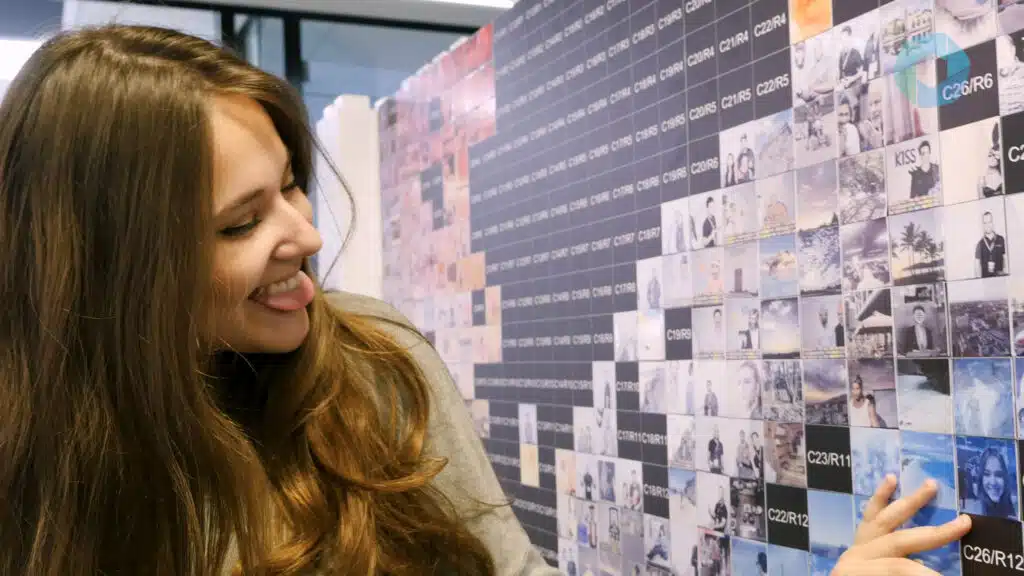
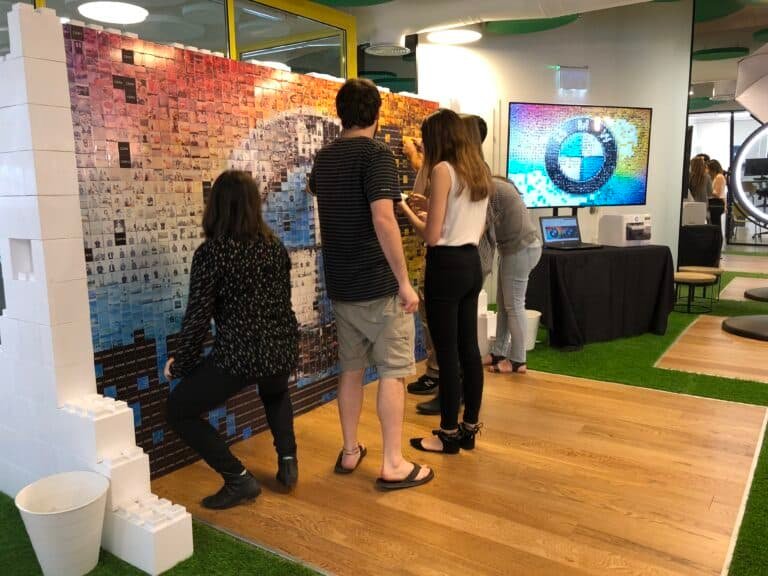
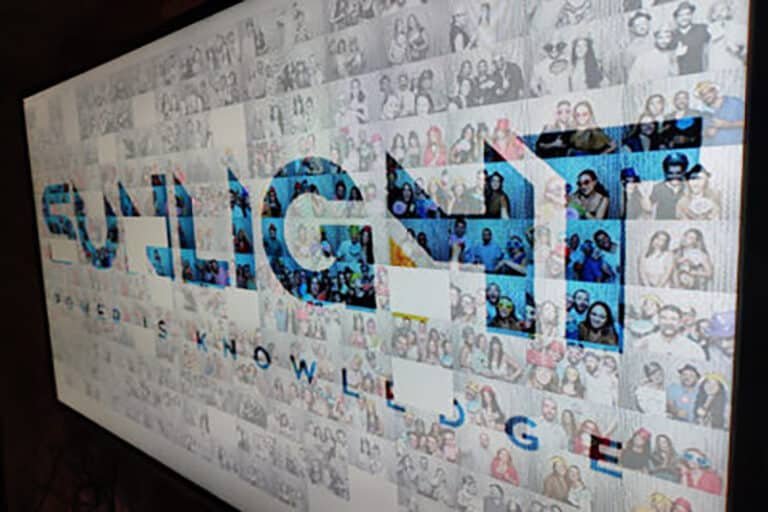
A mosaic wall is not compelling just because it is interactive. It works when the interaction leads to a striking final composition. Every guest image becomes one tile within a bigger branded picture, whether that is a campaign visual, product image, anniversary mark or hero logo. There is theatre in watching the artwork appear tile by tile, and that sense of momentum matters.

For event marketers and planners, the appeal is practical as well as visual. A mosaic wall creates dwell time, encourages repeat viewing and gives the room a focal point that changes as the event unfolds. It can support lead generation, social content and audience engagement, but its real strength is that it does so in a way that feels polished rather than forced.

The strongest examples also understand restraint. If the branded image is too overt, it can feel transactional. If it is too abstract, the campaign message gets lost. The best executions sit in that elegant middle ground where participation feels authentic and the final reveal still serves a clear strategic purpose.

1. Product launch mosaic walls

One of the clearest branded mosaic wall campaign examples is a product launch where the final image reveals the hero item. Beauty, automotive, tech and drinks brands all suit this format particularly well because the audience is already primed to look closely at the product.

Imagine a fragrance launch where each guest photo contributes to an oversized bottle visual, or a car reveal where portraits gradually build the silhouette of the latest model. The installation gives attendees a reason to engage early, then return later to see the finished picture. That repeat attention is valuable in a crowded event environment.

The trade-off is timing. A product-led mosaic needs enough participation to achieve a satisfying reveal before the event energy drops. For smaller guest numbers, the image must be designed with that in mind. A cleaner composition with stronger contrast often lands better than a highly intricate artwork that needs hundreds of tiles to read properly.

2. Brand anniversary and milestone campaigns

When a company is celebrating ten years, fifty years or a major internal milestone, a mosaic wall can turn the audience into the anniversary message itself. This format is especially effective for internal events, gala dinners and partner celebrations where the emotional tone is as important as the branding.

A simple example would be staff and guests contributing tiles to create a commemorative number or a heritage-led campaign image. It feels inclusive without losing polish. More importantly, it gives the event a symbolic centrepiece rather than relying on static signage to communicate significance.

This approach works best when the creative treatment feels elevated. A luxury brand will want the final design to feel editorial and intentional, not like a novelty collage. Refined typography, a confident colour palette and premium print quality make all the difference.

3. Charity partnership activations

Some of the most effective mosaic wall campaigns are tied to a cause. In these cases, participation has a layer of meaning beyond entertainment. Guests are not only appearing in the artwork – they are helping to visibly build support for a shared initiative.

A brand might host an event where every photo tile contributes to a campaign image linked to a fundraising partnership or awareness drive. The wall then becomes a public expression of collective backing. That can be very powerful at awards evenings, sports hospitality events and seasonal campaigns.

The key here is tone. Cause-led branding has to feel sincere. If the wall is over-designed around the sponsor and underplays the charity message, the activation can feel self-serving. The strongest executions give the partnership equal visual weight, so the brand is present but not overpowering.

4. Retail and shopping centre experiences

Retail environments need installations that stop people in their tracks quickly. A branded mosaic wall can do that because it offers spectacle from a distance and participation up close. Passers-by see a large artwork forming. Once they understand that real visitor photos are creating it live, curiosity does the rest.

This is one of the more commercially useful branded mosaic wall campaign examples because it suits footfall-led spaces so well. It can support store openings, seasonal campaigns, limited-edition launches or broader awareness work in shopping centres and experiential pop-ups.

What matters most in retail is speed and clarity. The guest journey has to be intuitive, and the final branded image needs to read instantly from several metres away. In a busy public setting, overly subtle creative can be lost. The premium answer is not to make it louder, but to make it cleaner.

5. Conference and exhibition stand installations

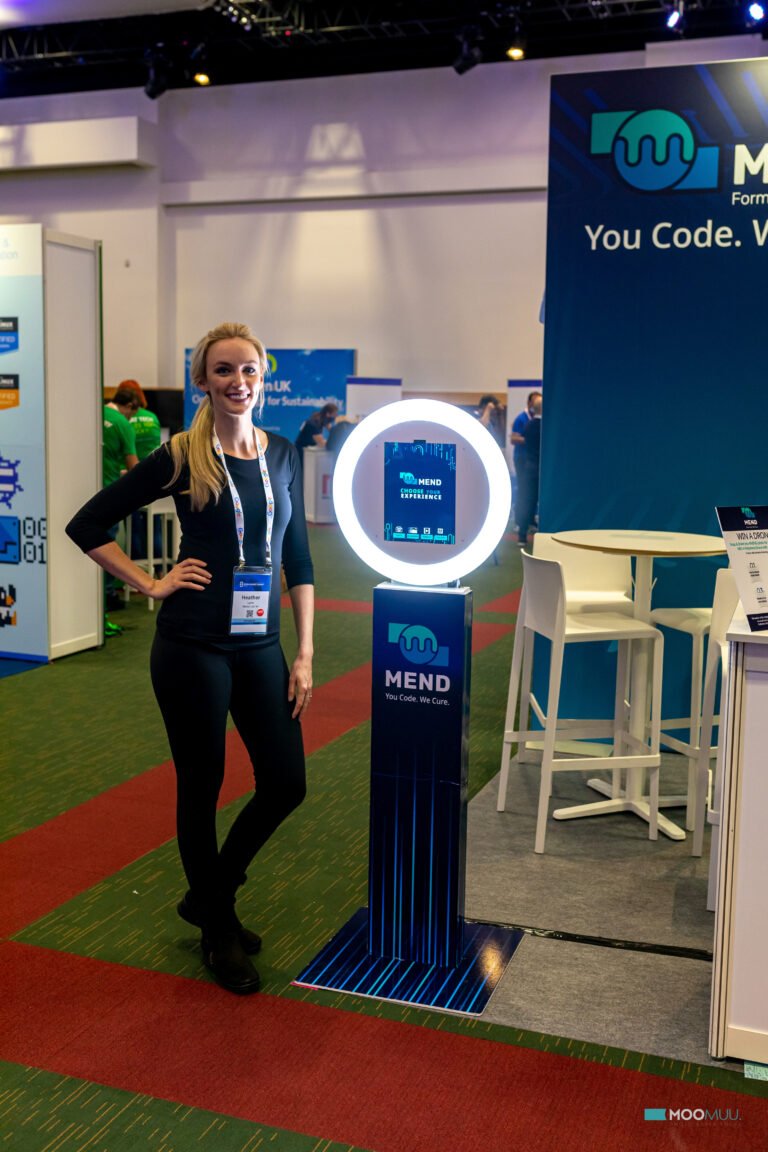
At exhibitions, every brand is competing for attention. A mosaic wall offers something many stands lack – a visible reason for people to come back. Attendees can have their photo taken, continue around the show, then revisit to see how the image is developing.

For B2B brands, this works particularly well when the final artwork relates to the campaign theme rather than just repeating the logo. It might build a new product visual, a conference message or a bold piece of brand imagery linked to the stand concept. That gives the installation more design credibility and makes it feel integrated into the wider event identity.

There is an important nuance here. Exhibition audiences are often time-poor, so the interaction must feel elegant and efficient. If the process is too slow or the wall placement causes congestion, it can undermine the stand experience rather than elevate it.

6. Internal culture and employer brand campaigns

Not every branded activation is customer-facing. Mosaic walls are also highly effective for staff conferences, office openings and employer brand moments where the goal is recognition, inclusion and pride. Because every contribution is visible in the final piece, the installation naturally reinforces the idea that people collectively shape the brand.

This can be especially compelling during mergers, rebrands or leadership events. A newly unified brand mark built from employee portraits sends a clearer message than a slide deck ever could. It is visual, participatory and easy to share across internal channels afterwards.

The challenge is avoiding corporate stiffness. The wall should still feel like an experience, not a compliance exercise dressed up as engagement. Styling, pacing and presentation matter as much internally as they do at a client-facing event.

7. Luxury hospitality and VIP event moments

For premium hospitality, the mosaic wall works best when it is treated as a statement installation rather than a piece of event tech. Think fashion dinners, private member events, prestige sporting hospitality or a luxury brand soirée where the audience expects every touchpoint to feel considered.

In these settings, the visual finish is everything. The branded image has to complement the room, the guest experience should feel concierge-level, and the resulting content should be genuinely elegant enough for guests to want to share. Done well, the wall becomes part of the event design language rather than a separate attraction.

This is where a design-led supplier makes a noticeable difference. MooMuu Experiential, for instance, positions the mosaic wall as a curated, high-impact installation rather than standard entertainment equipment, which is exactly the right lens for this kind of audience.

8. Seasonal campaigns with a premium finish

Christmas parties, summer events and end-of-year celebrations often call for audience participation, but seasonal branding can veer into the obvious very quickly. A mosaic wall offers a more refined route because the theme emerges through the final artwork rather than through heavy-handed decoration.

A winter gala might build towards a branded festive campaign visual, while a summer brand event could reveal a seasonal hero image that still feels aligned with the company’s wider identity. The best seasonal work keeps the brand recognisable without letting the event styling overwhelm it.

This is one of those cases where less usually gives more. A restrained palette and a beautifully composed target image often feel more premium than anything overly literal.

9. Public engagement campaigns built for social reach

Some branded mosaic wall campaign examples are designed with amplification in mind. The live event is one layer, but the evolving artwork also creates content for social channels, event recaps and post-campaign storytelling. That makes the installation particularly attractive for brands that want both in-room impact and wider visibility.

The most effective campaigns here understand that shareability is not just about placing a hashtag on-screen. It comes from giving people something visually satisfying to post – a portrait they like, a branded setting that feels elevated, and a bigger artwork worth filming as it takes shape.

There is, however, a balance to strike. If the installation feels engineered purely for content capture, guests can sense it. The best social-friendly activations still prioritise the live experience first. When the in-person moment is strong, the digital content follows naturally.

What the best examples have in common

Across all of these formats, the strongest mosaic wall campaigns share a few qualities. They begin with a clear visual end point, not just an interaction for its own sake. They fit the tone of the event, whether that is corporate, celebratory or unmistakably luxurious. And they make participation feel rewarding from the first photo through to the final reveal.

Just as importantly, they respect the audience. A premium crowd does not want gimmicks dressed up as innovation. They respond to installations that feel thoughtfully curated, beautifully produced and confidently integrated into the wider event design.

That is why mosaic walls continue to earn their place at sophisticated events. When done properly, they do more than entertain. They give brands a living artwork, guests a meaningful role in the experience, and the room a focal point that gathers value with every new tile. If you are planning a campaign where impression matters, that kind of build is hard to ignore.

You May Like This