
Wedding Experience Trends 2026 That Matter
Wedding experience trends 2026 favour immersive design, elegant tech and guest moments that feel personal, polished and genuinely memorable.
A beautiful room is no longer enough. The most compelling wedding experience trends 2026 are shifting attention from how a celebration looks to how it feels to move through it – for the couple, for guests, and for every photograph that lives on afterwards.
That change matters most at the luxury end of the market, where expectations are higher and the details are more closely observed. Guests notice when an installation feels considered rather than added in at the last minute. They notice when entertainment complements the setting instead of competing with it. And they remember the moments that invited them to participate, create and leave with something worth keeping.
Wedding experience trends 2026 are becoming more curated
For years, weddings were often planned in layers – venue, flowers, food, music, then entertainment added later. In 2026, the strongest celebrations are being designed more holistically. Couples are treating the guest journey as part of the overall creative direction, not a separate practical task.
This means every touchpoint is expected to sit within the same visual world. A photo moment is no longer just a corner with a backdrop. It is an installation with presence, scale and styling. An interactive feature is expected to feel refined enough for a country estate, boutique hotel or contemporary marquee, while still delivering energy in the room.
The result is a more editorial approach to wedding planning. Couples are asking sharper questions. Does this experience photograph well in daylight and candlelight? Does it suit black tie as much as it suits a relaxed drinks reception? Will it feel current in five years when we look back at the images? Those questions are shaping the market.
Aesthetic consistency is now part of the brief
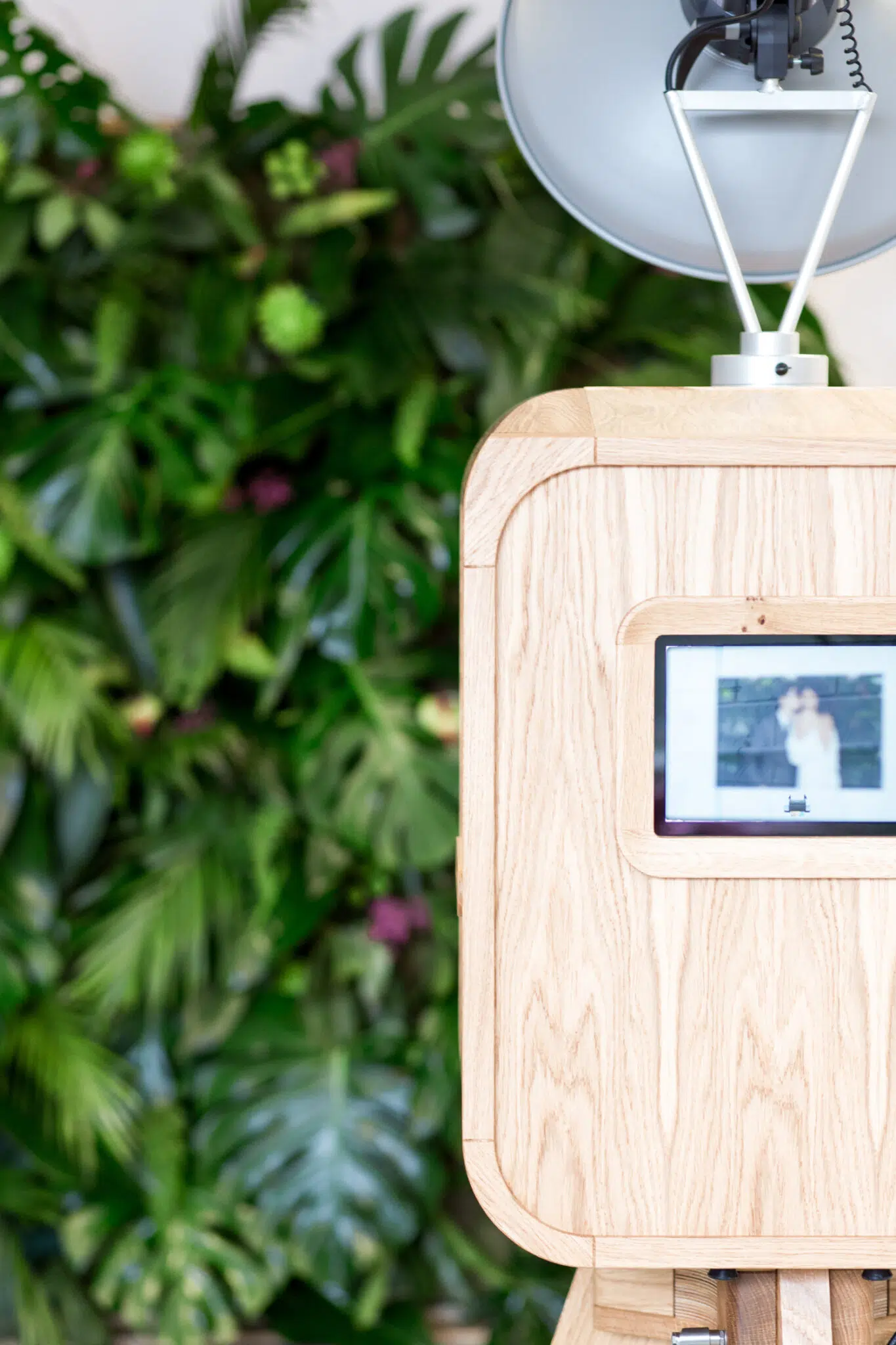
One of the clearest shifts is the move away from generic entertainment styling. In its place is design-led presentation – clean lines, premium finishes, understated props and installations that feel intentional within the venue. Oak-crafted booths, monochrome portrait setups and sleek digital experiences all sit comfortably within this trend because they contribute to the atmosphere rather than interrupt it.
That does not mean every wedding should feel minimal. Maximal styling can be just as effective, but it still needs discipline. Rich florals, dramatic draping and statement lighting work best when each interactive element has been curated to match the tone. Luxury guests respond to cohesion. It signals care.
Guests want participation, not passive entertainment
Another major movement within wedding experience trends 2026 is the rise of interactive moments that genuinely involve people. Passive entertainment still has a place, particularly during dinner or transitions, but guests increasingly want something they can step into, shape and share.
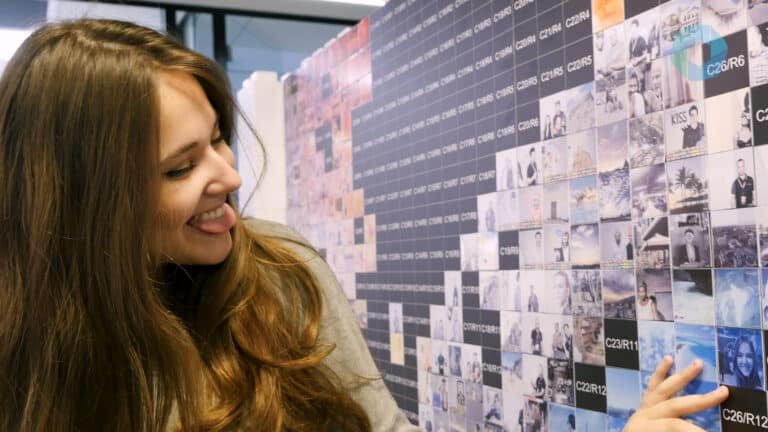
This is where technology-led activations are becoming especially relevant for weddings. Not because couples want a novelty, but because the right technology can create a more engaging guest journey. A live mosaic wall, for example, gives the room a visual focal point that evolves throughout the celebration. Guests contribute their own image and become part of a larger artwork. It turns a single interaction into a shared collective moment.
AI-led experiences are moving in a similar direction. When handled with the right visual standard, they offer immediacy without losing polish. AI sketch experiences and digital art walls appeal because they create a sense of occasion – guests do not just press a button and walk away, they receive something imaginative, personalised and distinctly event-specific.
The best interactive features still need restraint
There is a trade-off here. More interactivity does not always equal a better experience. If every corner asks for attention, the wedding can start to feel fragmented. The strongest installations are those that anchor a key part of the day – perhaps drinks reception, evening transition or late-night celebration – rather than demanding engagement at every turn.
For some couples, that means one statement feature executed impeccably. For others, it may mean two experiences with very different purposes, such as a refined portrait booth earlier in the evening and a more dynamic guest-created artwork that builds over time. It depends on the size of the wedding, the pace of the schedule and how central guest participation is to the overall atmosphere.
Portrait-quality imagery is replacing novelty photography
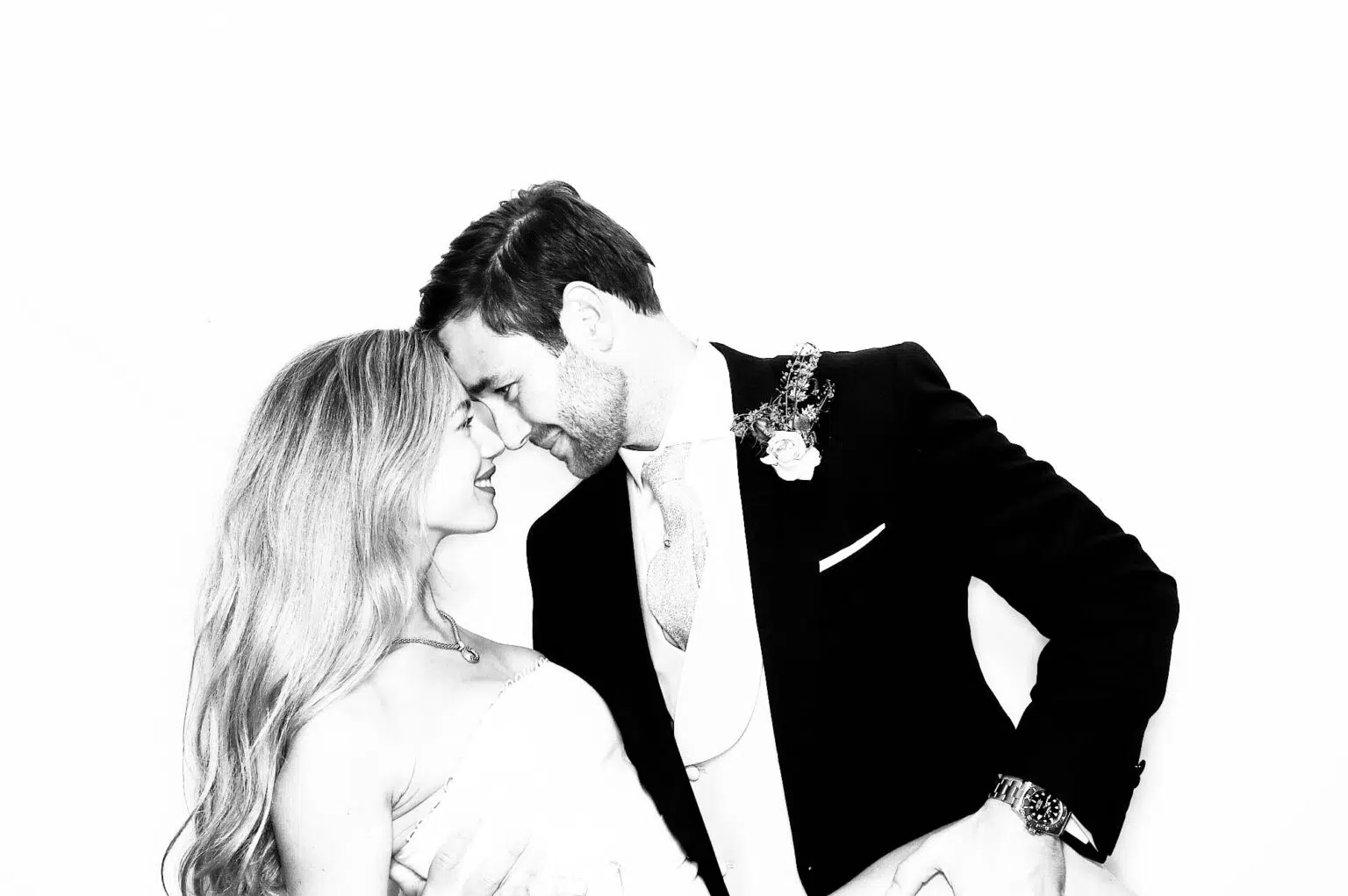
Perhaps the most noticeable aesthetic change is the demand for imagery that feels closer to editorial portraiture than party snapshots. Couples still want spontaneity, but they want it with better lighting, better composition and a more flattering finish.
That is why elevated black-and-white photography, studio-style lighting and premium print or digital outputs are gaining ground. These experiences feel sophisticated, not forced. They suit formalwear, they flatter mixed-age guest lists, and they produce images people actually want to save, frame or post.
There is also a practical reason this trend is growing. Weddings are now documented from multiple angles by professionals and guests alike. Any guest-facing photography installation needs to hold its own within that visual environment. If it looks out of place next to a carefully commissioned wedding gallery, it weakens the overall finish. If it produces striking imagery, it extends the quality of the day.
Personalisation is moving beyond names and monograms
Personalisation in 2026 is less about adding initials to everything and more about shaping an experience around the couple’s style. That might mean a monochrome photo setup for a fashion-led city wedding, a softer romantic treatment for a country house celebration, or an AI artwork concept that reflects the venue, season or wider design story.
Guests are becoming more visually literate, and luxury couples are too. They can tell the difference between token personalisation and something thoughtfully tailored. The latter always lands better because it feels like part of the wedding itself, not a branded overlay placed on top.
Wedding experience trends 2026 favour content with longevity
The social media era is maturing. Couples still want shareable moments, but the brief has become more sophisticated. Instead of chasing gimmicks for instant attention, they are prioritising content that remains elegant after the event.
That means a shift towards keepsakes and visuals with a longer life. Portrait strips that feel beautifully designed. Digital galleries guests return to. Collaborative artwork that can be kept after the wedding. Images that look just as good in a frame at home as they do on a phone screen the next morning.
This is an important distinction. Shareability still matters, but longevity matters more. The best wedding experiences now serve both. They create immediate delight on the night and leave behind something polished enough to remain part of the couple’s memory landscape.
Real-time creation adds energy to the room
There is also growing appetite for experiences that visibly unfold during the event. Guests enjoy seeing something build. A mosaic artwork gradually filling throughout the evening or live-generated sketches appearing in real time creates momentum. It gives the celebration another layer of movement and anticipation.
That sense of progression can be especially valuable at larger weddings, where not every guest speaks to every other guest. A shared installation becomes a conversation point. It softens the space between groups and encourages people to engage more naturally.
The luxury standard is rising on service as well as style
Not every trend is visual. One of the strongest expectations in 2026 is invisible excellence – smooth setup, calm coordination, thoughtful timing and delivery that feels polished from the first enquiry to the final collection.
Luxury couples are not simply choosing a product. They are choosing the confidence that it will arrive beautifully, fit the venue properly and be managed with discretion. This is particularly important at prestigious venues where standards are high and where suppliers are expected to work around planners, florists, production teams and strict access schedules.
The same principle applies to guest-facing service. If an activation is interactive, it still needs to feel easy to use. If it is highly styled, it still needs to feel inviting. A premium installation should never leave guests wondering what to do next. The experience must feel intuitive, elegant and well hosted.
For that reason, the most successful providers are those who understand both aesthetics and operations. Design gets people interested. Delivery is what protects the atmosphere of the day.
What this means for couples planning now
If you are planning a wedding for 2026, the most useful question is not which trend is popular. It is which experience will deepen the feeling of your day while preserving its visual integrity.
For some couples, that will mean a single beautifully styled photography installation that produces exceptional portraits and draws guests in throughout the evening. For others, it may mean adding an interactive artwork element that creates a talking point and a lasting piece from the celebration itself. The right answer depends on the venue, the guest profile and how you want the event to be remembered.
What is clear is that weddings are becoming more experiential, more design-conscious and more exacting in their standards. Generic add-ons are fading. In their place are installations that feel curated, contemporary and unmistakably premium.
The couples who will love their wedding most in years to come are rarely the ones who chose the most. They are the ones who chose with clarity – every detail considered, every guest moment intentional, every experience worthy of the setting.