11 Brand Awareness Event Ideas That Land
11 brand awareness event ideas to help your event attract attention, drive sharing, and leave a polished, lasting impression with guests.
Brand awareness is rarely built by asking people to look at a logo for longer. It grows when guests feel something, make something, and leave with a version of your brand they actually want to share.
That is why the strongest brand awareness event ideas are not simply louder, larger, or more crowded. They are better considered. They create a moment people want to photograph, post, talk about, and remember. For luxury brands and premium-facing businesses, that matters even more. If the experience feels generic, the brand does too.
What makes brand awareness event ideas work?
The most effective activations sit at the point where visual impact, audience participation, and brand identity meet. A beautiful installation can stop guests in their tracks, but if there is no interaction, it may be admired and then forgotten. Equally, a highly interactive concept without a refined finish can create activity without strengthening perception.
For brand awareness, the real question is not simply, “Will people use it?” It is, “Will people associate this with us afterwards?” The answer usually depends on three things: whether the activation is visually distinctive, whether it produces shareable content, and whether the brand presence feels intentional rather than bolted on.
That is why curated, design-led experiences tend to outperform novelty for novelty’s sake. They do more than entertain. They shape how your audience reads the brand.
11 brand awareness event ideas worth considering
1. A signature photo moment with editorial styling
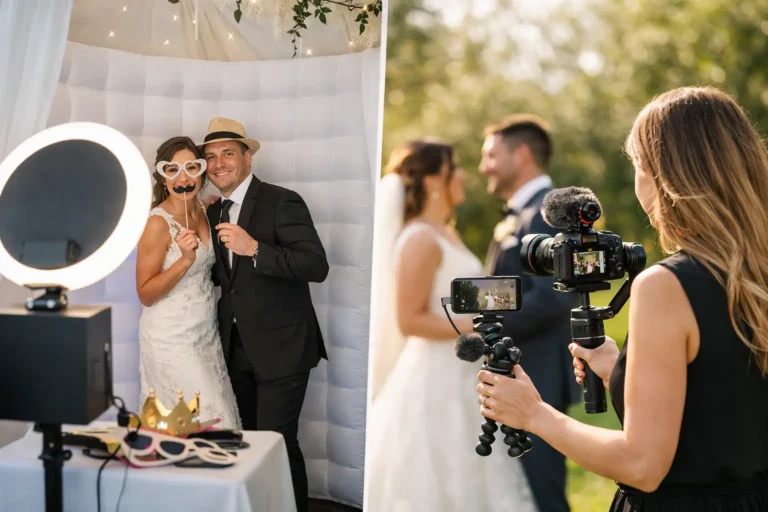
A premium photo installation remains one of the most reliable ways to create awareness, provided it is executed with taste. Think less branded banner, more statement set. A beautifully designed backdrop, refined lighting, and polished outputs can turn a simple photograph into a piece of branded content guests are pleased to post.
This works especially well for launches, hospitality spaces, awards evenings, and luxury retail events where aesthetics are part of the message. The key trade-off is that styling matters enormously. If the setup looks temporary or overly promotional, it weakens the effect.
2. An AI sketch experience guests keep
When guests receive a personalised sketch generated in real time, the interaction feels both current and memorable. It holds attention for longer than a standard giveaway because the output is personal. It also creates a natural queue, which can be useful in busy event environments where visible engagement builds intrigue.
For brand awareness, this format performs well because it blends spectacle with take-home value. The result can be subtly branded without losing its elegance. Brands wanting to appear innovative without feeling overly technical often find this a strong fit.
3. A live mosaic wall that grows throughout the event
A mosaic wall has a different kind of power. Rather than one isolated moment, it creates a story that builds hour by hour. Individual guest images feed into a larger branded artwork, giving people a reason to return and see the final reveal.
This is particularly effective for conferences, internal brand events, and public-facing activations with steady footfall. It brings collective participation into the frame. The wider benefit is emotional as well as visual – guests feel they are contributing to something larger than a one-off photo.
4. An AI graffiti wall with a luxury finish
Graffiti-style experiences can feel too raw for some brands, but with the right creative direction they can become striking, contemporary brand theatre. An AI graffiti wall lets guests generate digital artwork with energy and individuality, while still keeping the execution polished and controlled.
For fashion, automotive, property, and premium lifestyle brands, this can signal confidence and cultural relevance. It works best when the visual language has been carefully tailored to the event identity. Without that curation, the idea can feel disconnected from the brand world.
5. A branded portrait studio rather than a booth
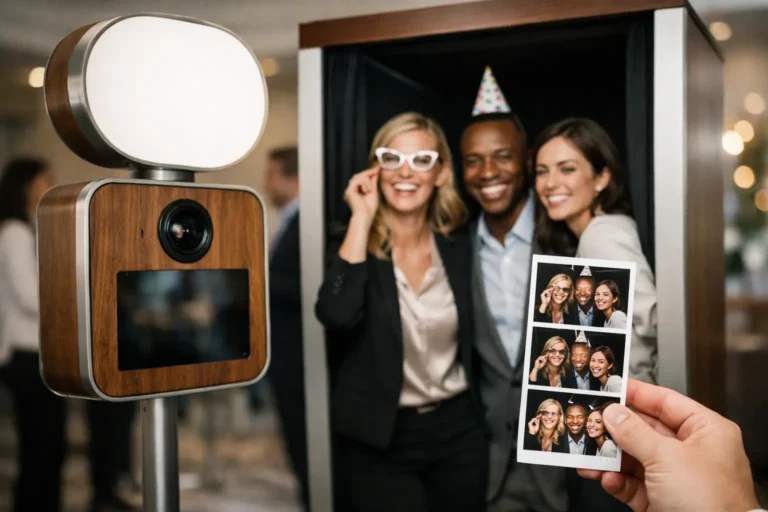
There are occasions where the word “booth” undersells the experience. A portrait studio approach, complete with flattering light, considered framing, and editorial-quality imagery, can elevate the atmosphere instantly. Guests are not simply taking snaps. They are stepping into a branded environment designed to make them look exceptional.
This is one of the most versatile brand awareness event ideas because the content lasts beyond the event itself. Teams use the images on LinkedIn, guests share them socially, and the brand remains present in every polished frame. For premium audiences, that quality threshold is not a bonus. It is the whole point.
Matching the idea to the event objective
Not every activation needs to do everything at once. Some are there to generate footfall. Others are designed to increase dwell time, spark user-generated content, or create a talking point for press and stakeholders. The strongest choice depends on what you need awareness to mean in practical terms.
If your priority is reach, choose an experience that produces highly shareable content with clear visual identity. If your priority is depth of connection, look for something participatory that gives guests a stronger sense of involvement. If the event audience includes clients, media, or senior stakeholders, refinement becomes non-negotiable. Awareness may begin with visibility, but reputation is shaped by execution.
More event concepts that build brand recognition elegantly
6. A glamorous black-and-white photo experience
Black-and-white photography has a timeless authority that works beautifully for premium events. It strips away distractions and gives every image a more considered, fashion-led quality. For brands wanting to feel elevated, cinematic, and unmistakably premium, this style can be remarkably effective.
The branding here should be subtle. The stronger the image, the less you need to force the message.
7. A content corner for creators and guests
A dedicated content space can be highly effective when it feels integrated into the event design rather than fenced off as a social media station. Think beautiful lighting, clean backgrounds, and enough brand cues to make the output recognisable without making it look overly produced.
This idea suits launches, hospitality suites, and influencer-attended events where content capture is part of the guest behaviour. It does require some discipline, though. If too many brand messages compete visually, the content quickly loses its premium feel.
8. A roving interactive experience with a fixed visual anchor
Sometimes the best way to widen awareness across a venue is to combine movement and destination. A roving element can spark curiosity in different parts of the event, while a central installation gives guests a place to engage more fully. This creates both reach and a stronger focal point.
It works well at larger venues where not every guest will naturally find the main attraction. The trick is consistency. The roaming and fixed elements should feel like chapters of the same brand story.
9. A personalised print or digital keepsake station
Guests are far more likely to keep and share something that feels designed for them. Personalisation can be as simple as a name, a chosen style, or a branded frame handled with restraint. The value lies in relevance, not excess.
This idea suits premium retail, member events, and private brand experiences where guests expect a touch of exclusivity. It can also support lead generation, though the exchange should feel smooth and appropriate to the setting.
10. A reveal moment built into the activation
Some activations become more effective when there is a timed moment of transformation – a final mosaic reveal, a gallery display, or a live showcase of guest-created outputs. That gives the experience momentum and offers the event team a natural point to draw attention back to the brand.
For awareness, reveal moments are useful because they create anticipation and a second wave of content. They also help an installation feel like part of the event programme rather than a static feature in the corner.
11. A fully branded experiential zone
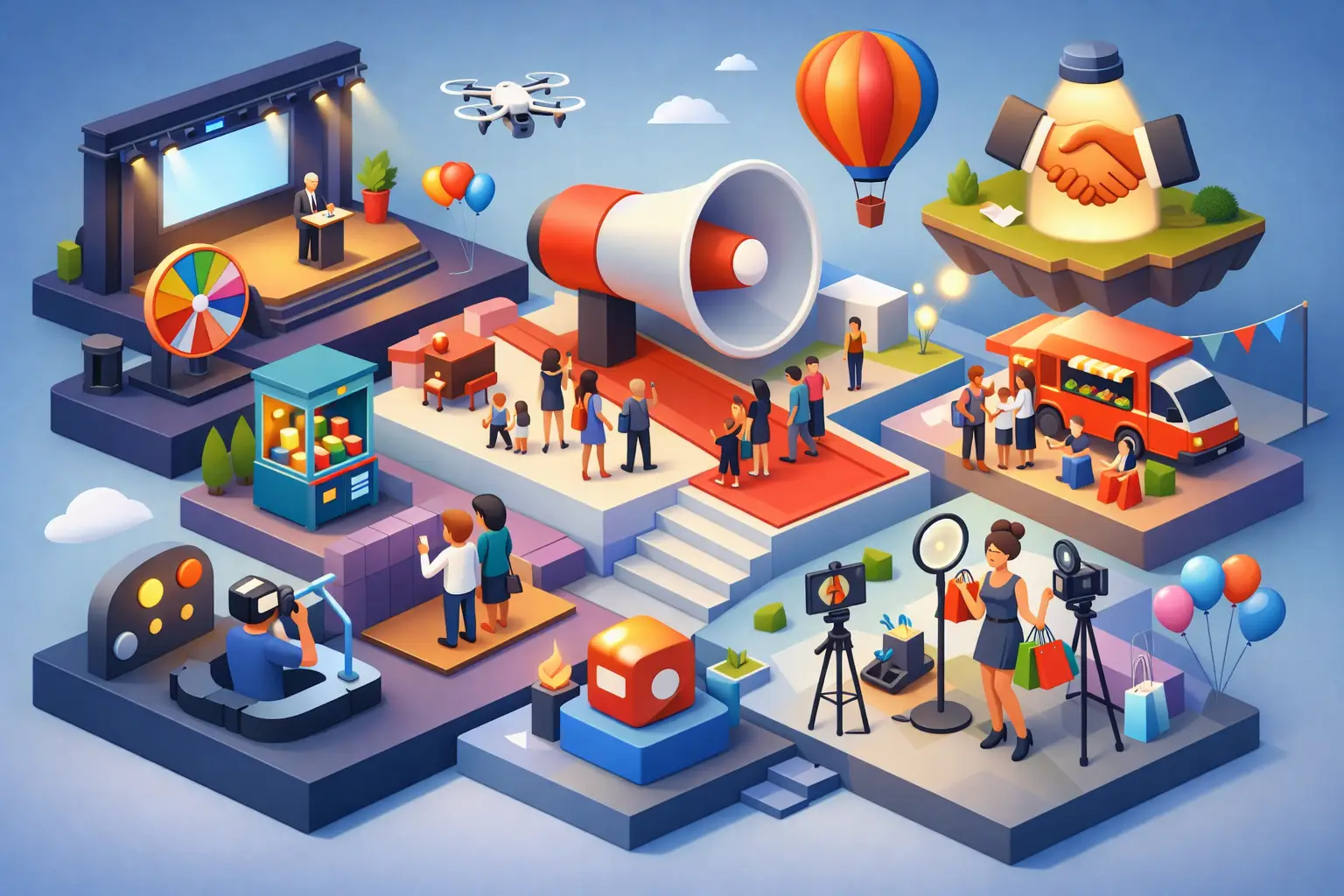
For businesses that want a stronger presence, a complete experiential zone can bring several elements together – portrait capture, interactive technology, printed takeaways, and a central hero installation. When executed well, this creates a branded environment rather than a single activation.
This approach is especially effective for exhibitions, roadshows, and large corporate events where the brand needs to hold space confidently. It does require a clear creative direction. More elements do not automatically mean more impact. The best results come from disciplined curation and a consistent visual language.
Why refinement matters more than volume
A common mistake in event planning is to treat brand awareness as a numbers exercise alone. Footfall matters, of course, but if the experience lowers perceived quality, the awareness gained may not be the kind you want. Premium audiences are quick to notice when details have been overlooked.
That is why design, finish, and guest journey deserve as much attention as headline impact. How the activation looks in the room, how intuitive it feels to use, and how strong the final content appears on a phone screen all influence whether the brand is remembered favourably.
For many clients, the smartest route is not the busiest one. It is the idea that feels most aligned with the brand they have worked hard to build.
A beautifully judged activation can do something advertising rarely manages on its own. It can turn attention into affinity. If you are planning a launch, celebration, or high-profile corporate event and want the result to feel as polished as it is memorable, thoughtful experiential design is where brand awareness starts to become something more lasting. For curated installations and premium interactive experiences across the UK, MooMuu Experiential offers a more elevated way to be seen.