11 Event Activation Ideas That Feel Premium
11 event activation ideas for brands that feel polished, interactive and memorable – designed to boost engagement and leave a lasting impression.
A forgettable brand activation rarely fails because the idea was too small. More often, it fails because it felt generic. The set-up looked familiar, the interaction was thin, and guests moved on without forming any real connection to the brand.
The strongest event activation ideas for brands do something more valuable. They give people a reason to stop, take part, create something worth sharing, and leave with a clear impression of who the brand is. For luxury-led businesses and design-conscious marketing teams, that standard matters even more. Every touchpoint has to feel considered.
What makes event activation ideas for brands actually work
A successful activation sits at the intersection of experience, aesthetics and brand relevance. It is not enough for an installation to be eye-catching. It also needs a simple guest journey, a clear visual payoff, and a natural link back to the campaign or brand story.
That is why the best activations often feel deceptively effortless. Guests understand what to do within seconds. The output is immediate, whether that is a polished portrait, a live piece of collective artwork or a branded keepsake. And crucially, the experience photographs beautifully in the room itself, not just in the final asset.
There is also a trade-off to consider. The more ambitious the concept, the more important the delivery becomes. A bold idea with poor styling or clumsy logistics can dilute the very brand image it is meant to elevate. Premium activations need production discipline as much as creativity.
1. Design-led photo booths that behave like installations
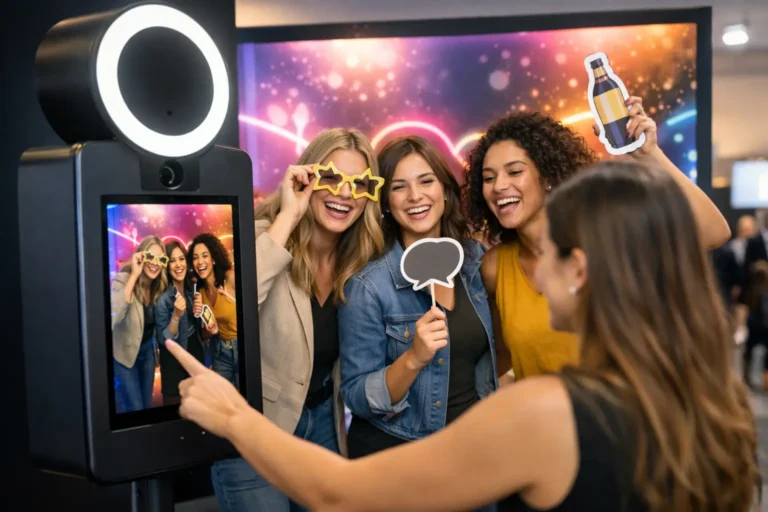
A photo booth remains one of the most reliable activation formats because it gives guests an immediate role and a clear result. The difference lies in the execution. If the booth looks like an afterthought, it will read as entertainment. If it is beautifully designed and integrated into the event environment, it becomes part of the brand world.
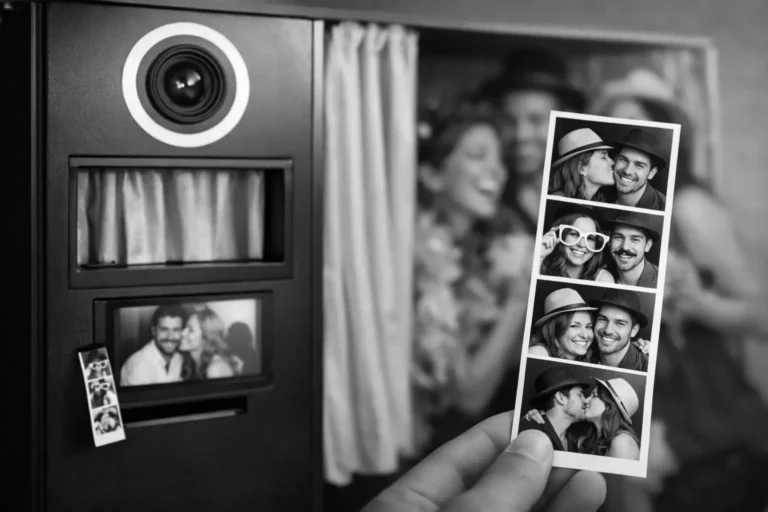
For fashion, beauty, hospitality and lifestyle brands, a refined photo moment can do far more than generate pictures. It can shape how the event is remembered online. Clean lighting, elegant framing and a considered backdrop create assets that guests are genuinely happy to post. Black-and-white glamour styling works particularly well for premium launches and evening events, while retro-inspired formats can suit brands with a more playful heritage.
2. AI sketch portraits with a luxury finish
AI-led portrait experiences have quickly become one of the most compelling ways to combine novelty with keepsake value. Guests step up, have their image captured, and receive a stylised sketch interpretation that feels both personal and unexpected.
What makes this format so effective is the blend of speed and artistry. It has the theatre of live creation without requiring guests to wait through a slow process. For brands, it opens up strong opportunities for visual customisation, from campaign-led styling to elegantly branded print finishes.
It does, however, suit some events more than others. If your audience values tactile takeaways and bespoke detail, it lands beautifully. If the event is extremely fast-paced, you may need a format with even quicker throughput.
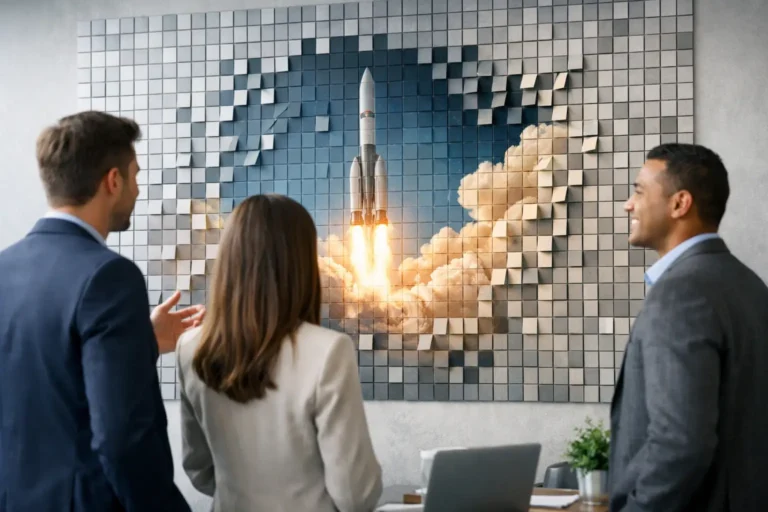
3. Live mosaic walls that build momentum through the event
Some activations work best as a single moment. Others become more powerful as the room interacts with them over time. A live mosaic wall sits firmly in the second category.
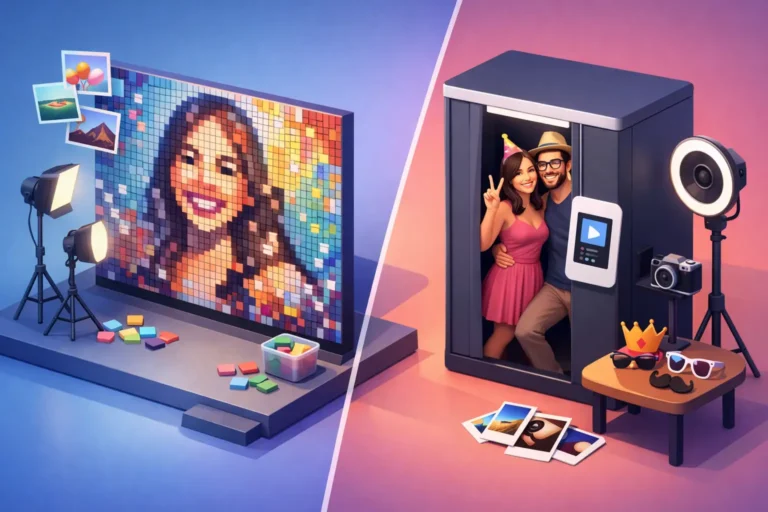
Each guest contributes a photo tile, and the installation gradually reveals a larger branded image, campaign visual or logo. Early in the event, it sparks curiosity. Later, it becomes a focal point. By the close, it offers a satisfying sense of collective participation.
This format works especially well for conferences, award evenings, internal brand events and milestone celebrations where the goal is to create a shared narrative. It also offers a strong balance between individual engagement and wider room impact. Guests enjoy their own contribution, while the brand gains a statement piece that changes throughout the event.
4. AI graffiti walls for bold, interactive storytelling
When a brand wants energy, movement and a stronger sense of spectacle, an AI graffiti wall can be a standout choice. Guests create digital street-art style visuals in real time, producing content that feels expressive, current and highly shareable.
This idea suits brands that want to signal innovation without losing visual impact. It can work brilliantly for product launches, festival-style brand experiences, youth-led campaigns and evening events where a static backdrop would feel too passive.
The nuance here is brand fit. Not every luxury brand wants the visual language of graffiti. But for those with a contemporary, fashion-forward or culture-led identity, it can feel fresh rather than formal, especially when the styling of the installation itself remains polished.
5. Editorial portrait studios for campaign-quality content
If your event audience includes press, creators, partners or VIP guests, an editorial portrait set can outperform a standard photo moment. The appeal is simple – people receive imagery that looks deliberate, flattering and publication-ready.
This kind of activation works particularly well when the event itself has a strong visual identity. Think sculptural florals, tonal staging, textured drapery or a clean monochrome set. The result feels less like a novelty and more like access to a private studio embedded within the event.
For brands, the benefit extends beyond guest enjoyment. You are also generating a stream of elevated content that reflects well on the event and travels neatly across social channels.
6. Product personalisation with a live reveal
Where the product allows for it, personalisation remains one of the smartest activation routes because it ties interaction directly to the item being promoted. Monogramming, engraving, tailored packaging or live customisation all create a stronger sense of ownership.
The best versions of this idea treat the process itself as theatre. Guests should be able to watch the transformation happen, not just collect the finished result. That live reveal creates dwell time and gives the installation a natural audience.
This format is particularly strong for fragrance, accessories, gifting and premium retail. The practical question is volume. If guest numbers are high, the personalisation journey needs to stay efficient or it can create frustration around the experience.
7. Scent, sound and texture-led sensory spaces
Not every activation needs a camera at its centre. For brands trying to create atmosphere or emotional memory, a sensory installation can be more effective than a content-first moment.
A fragrance brand might build a space around scent layering and tactile materials. A travel or hospitality brand might use soundscapes, lighting and texture to evoke place. A wellness-led business might create a calm, beautifully considered pause within a busier event footprint.
These activations are less about direct output and more about depth of feeling. That can be incredibly powerful, though they tend to work best when supported by strong hosts or subtle guidance so guests understand how to engage.
8. Interactive sampling with a design-conscious set-up
Sampling is often treated too functionally. Yet when it is styled with intent, it can become one of the most persuasive brand experiences in the room.
The principle is straightforward. Guests encounter, taste, test or try the product within an environment that reflects the brand’s world. Materials, colour palette, serving style and staff presentation all matter. The difference between a practical sampling point and a premium activation is usually in those details.
This is especially effective for food, drink, beauty and lifestyle brands where conversion depends on direct trial. The key is to make the interaction feel hosted and elevated, never transactional.
9. Data capture that does not feel like data capture
Brands often need measurable outcomes from an activation, but guests rarely enjoy feeling funnelled into a form. The smartest activations build lead capture into the value exchange naturally.
That might mean digital delivery of portraits, access to personalised artwork, entry into a curated post-event gallery or a follow-up tied to a meaningful takeaway. When the guest receives something polished and desirable, sharing their details feels like a logical part of the experience rather than an interruption.
This is where the guest journey matters. If the data moment arrives too early, it can feel demanding. If it comes after a strong interaction, it feels earned.
10. Branded content corners for creators and VIP guests
At some events, the right activation is not the busiest one. It is the one that attracts the right people and gives them content worth using. A branded content corner designed for creators, ambassadors or VIP attendees can do exactly that.
This might include controlled lighting, a striking but restrained set, and a guided photography experience that aligns with campaign messaging. The tone should feel exclusive rather than staged.
For premium brands, this kind of activation can be especially useful when broad participation is less important than high-quality amplification. The room may not queue for it, but the resulting coverage can carry real value.
11. A hero installation that guests remember first
Sometimes the most effective route is to go all in on one exceptional centrepiece. Rather than scattering smaller ideas around the venue, the brand creates a single activation with real visual authority.
That could be a sculptural photo installation, a live evolving artwork or a technology-led interactive feature with a strong design language. The point is not simply scale. It is clarity. Guests should know, almost instantly, that this is the defining experience of the event.
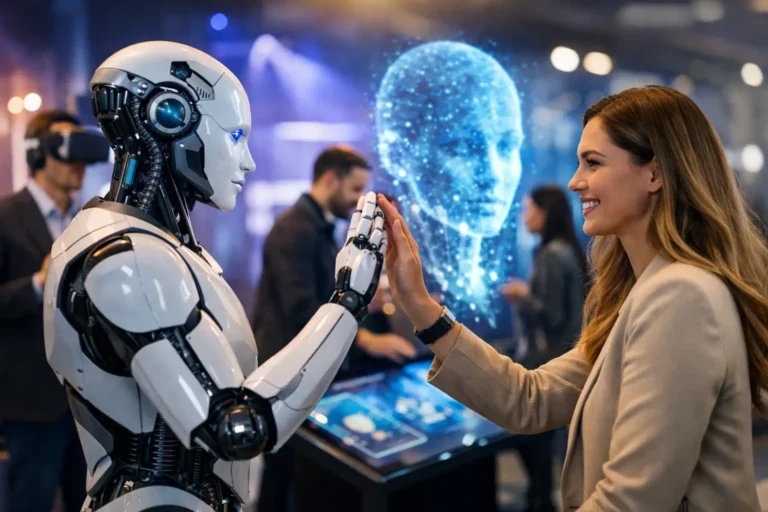
This approach works well for launches, anniversaries and prestige brand moments where the objective is memorability over variety. It also places greater pressure on execution, which is why the production partner matters as much as the concept itself. For brands that want an activation to feel unmistakably premium, thoughtful design and polished delivery are non-negotiable – which is exactly where MooMuu Experiential positions its work.
Choosing the right idea for your audience
The best event activation ideas for brands are not chosen in isolation. They are chosen in context. Audience type, venue style, event duration, footfall, campaign goals and brand aesthetic all shape what will actually work on the day.
If the goal is social content, prioritise visual output and speed. If it is emotional connection, lean into tactile or participatory formats. If it is prestige, focus on one beautifully executed statement rather than multiple competing touchpoints.
The most successful activations feel inevitable once you see them in place. As though they could only ever have belonged to that brand, in that room, with that audience. That is usually the clearest sign you have chosen well.