
Digital Booth or Printed Booth?
Choosing a digital booth or printed booth depends on your event style, guest flow and finish. Here’s how to select the right experience.
Choosing a digital booth or printed booth becomes easier when you separate four decisions: what guests will create, whether you want prints, who will support the experience and where it will operate. At MooMuu, Digital Booth is a self-service, print-free product. Luxury Oak, ICON and Signature GLAM are attended experiences with printed photographs and digital sharing.
Neither format is automatically more stylish or faster. Choose the complete guest experience that fits your event, not just the way the final image is delivered.

1. Do you want physical photographs?
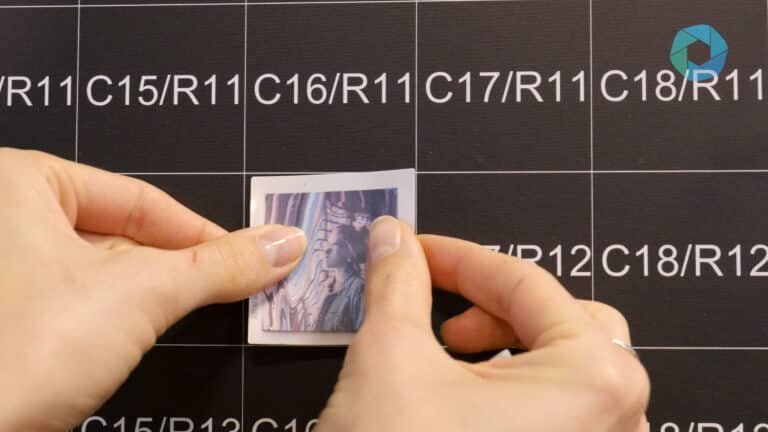
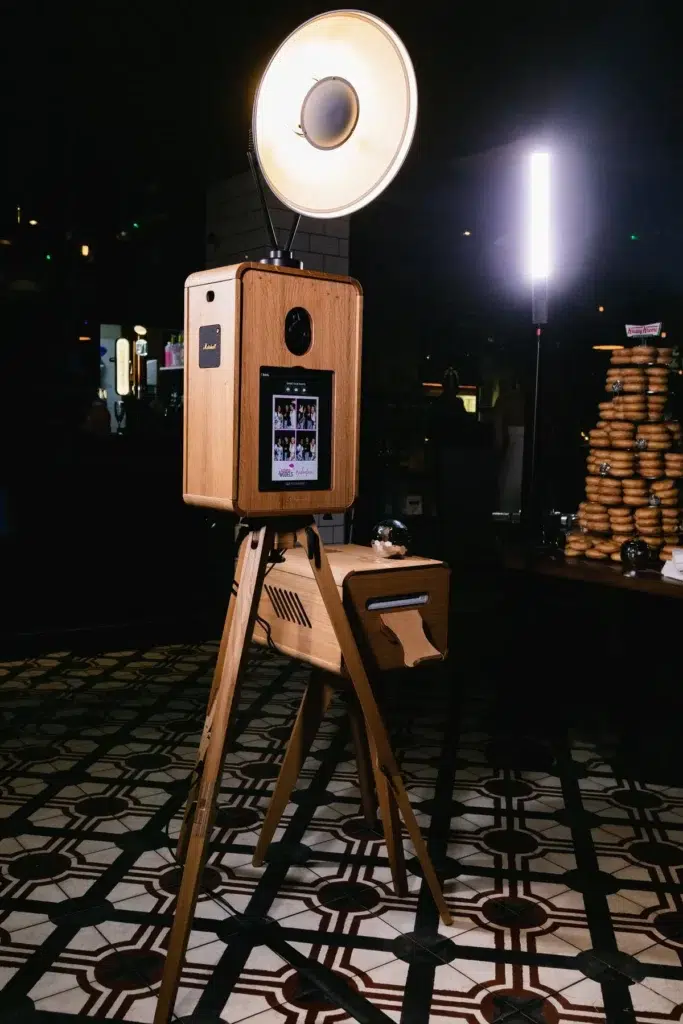
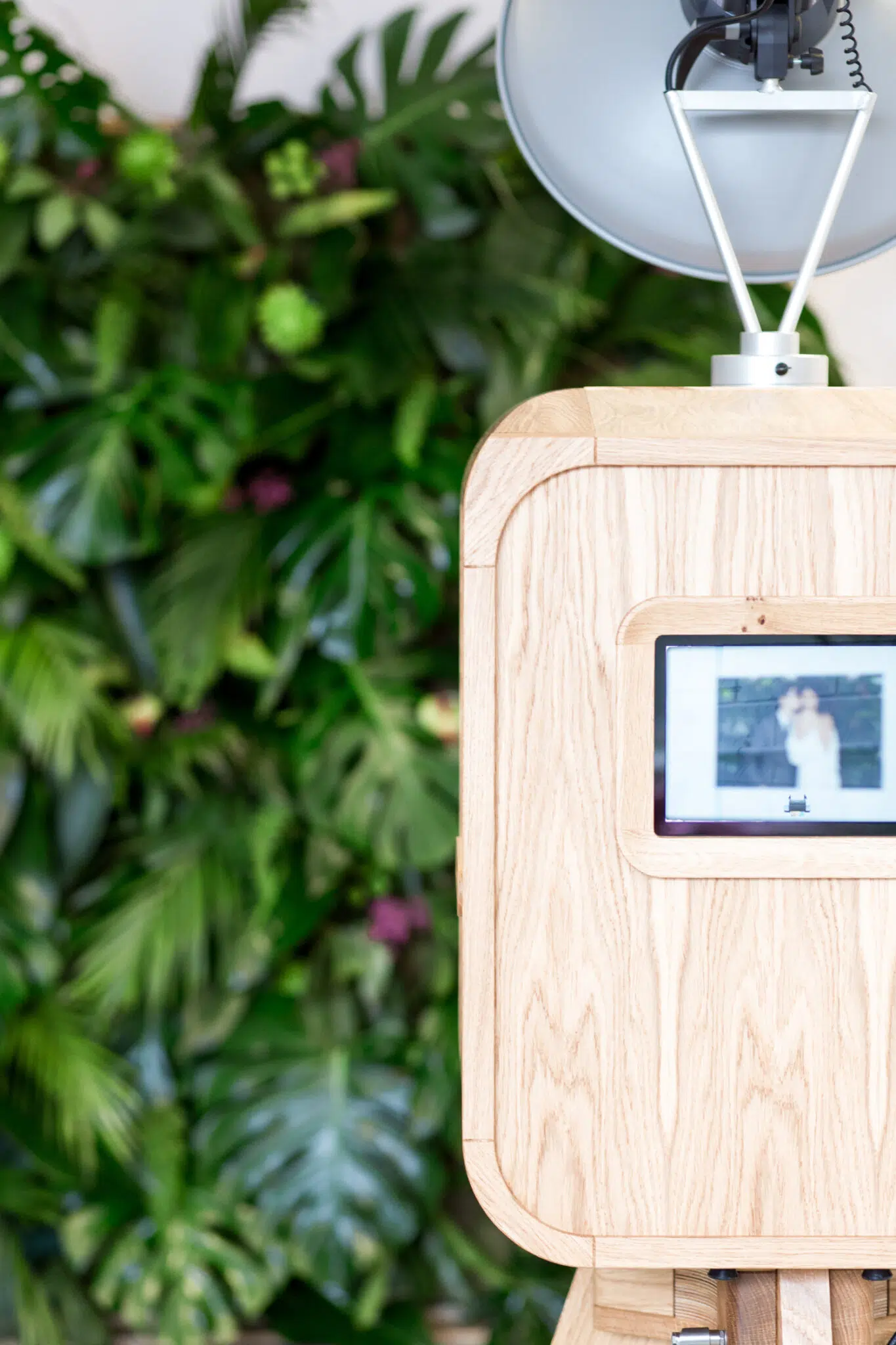
If the answer is yes, start with the Luxury Oak Booth, ICON Booth or Signature GLAM. Luxury Oak and ICON offer colour photography; GLAM creates black-and-white portraits. All three include printed photographs, digital sharing and an attendant during the agreed operating period.
Ask about the print format, quantities and personalised artwork in your chosen package. If you want a photograph-and-message guestbook, confirm the book, additional photograph and assistance separately in the quotation.
The Digital Booth is completely print-free, producing digital photos, GIFs, boomerangs and short videos. It is a separate experience, not an attended booth with its printer switched off.
2. Would you prefer self-service or an attendant?
For Digital Booth, MooMuu handles delivery, installation, testing and collection, with remote support during the operating period. Guests follow the on-screen instructions. An attendant does not normally remain on site.
The attended booths include on-site guest assistance during the booked operating hours. Consider the level of support you want and share any specific access or communication needs. Do not choose based on assumptions that one age group will prefer prints or another will automatically prefer a screen.
3. What does your venue allow?
Look beyond the size of the unit. Allow room for people to approach, pose and leave, plus any backdrop, gallery browsing and print collection. A compact Digital Booth still needs a usable guest area.
Backdrop arrangements differ by product. A large freestanding backdrop is not included as standard with Digital Booth. Signature GLAM uses a black or white backdrop; discuss available options for the other booths with MooMuu before confirming the room layout.
MooMuu does not supply props. If you are considering client-supplied accessories or decorations, agree their suitability and placement in advance. Keep the posing area, venue exits and service routes clear.
Share loading access, steps, lift details and power availability early. Luxury Oak equipment cannot be carried up or down stairs, so any proposed lift or ramp route needs checking. Outdoor or marquee plans also require advance agreement on protection, flooring, power and the chosen booth’s requirements.
4. Can guests receive their content reliably?
Instant sharing needs a reliable connection. Tell us about venue Wi-Fi and any signal limitations so the delivery approach can be planned. This matters for digital sharing on printed booths as well as Digital Booth.

Digital Booth event content is available in a private online gallery for 90 days. Download and securely save the files before that period ends. Confirm the gallery and delivery arrangements for any other product in its own package rather than assuming every experience has identical terms.
Plan running time around the event
Guests need time to use the booth while they are free to take part. Check the operating period against dinner, speeches, awards and other activities. Keep delivery, installation and collection access separate from guest operating hours.
Avoid treating digital-only as a shortcut to higher capacity. Posing, group sizes, repeat visits, content choices and sharing steps all affect how long each turn takes. Give MooMuu your guest numbers and available time so the setup can be planned realistically.
For brands, decide what you want the content to do
Both printed and digital outputs can carry event artwork. Start with the guest keepsake and brand presentation, then agree the screens, designs and approval deadlines available for your chosen booth.
MooMuu can provide data capture for corporate activations. Agree the fields, consent wording and data-delivery requirements before the event. Offering a branded digital image makes it available to share; it does not guarantee public posts, reach or sales.
For a closer look at the keepsakes themselves, read our print-versus-digital output guide. Then compare the written packages on the same basis: hours, support, backdrop, outputs, delivery and venue requirements.
Choose your MooMuu photo experience
Compare the booths, guest outputs and starting prices, then check availability for your preferred booth. Still deciding? Ask us to recommend a photo experience using your date or approximate month, venue and guest numbers. Checking availability does not reserve your date.