
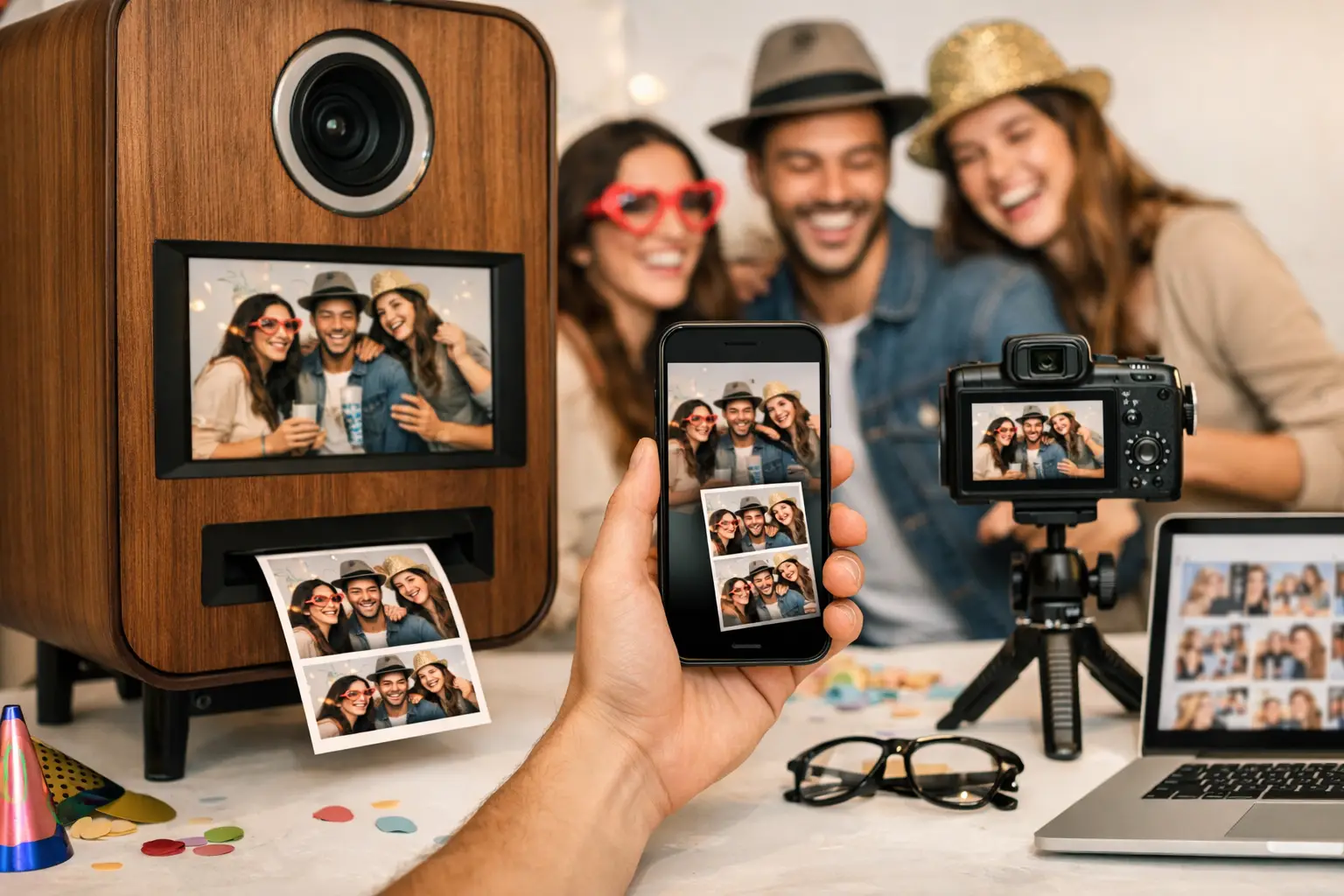
How to Create Shareable Event Content
Learn how to create shareable event content with design-led ideas, guest-first experiences, and polished visuals that extend impact after the event.
A beautifully dressed room can stop guests in their tracks for a moment. Content that gets shared does something more valuable – it gives them a reason to participate, capture it, and post it while the energy of the event is still high. That is the real answer to how to create shareable event content: not more content, but better-designed moments.
For luxury weddings, brand activations, private celebrations, and corporate events, shareability is rarely accidental. It comes from a considered mix of aesthetics, timing, interaction, and polish. When each element is thoughtfully curated, guests do not feel like they are being pushed to create content. They simply want to.
How to create shareable event content starts with the setting
If the visual foundation is weak, even the most advanced activation will struggle to land. Guests share what reflects well on them, what feels on-brand for the occasion, and what looks refined straight from the camera roll.
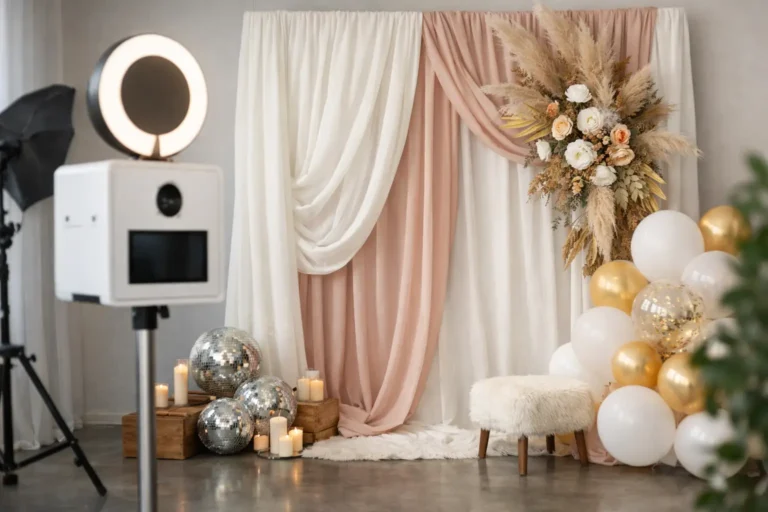
That means the setting matters as much as the technology behind it. Styling, lighting, backdrop choices, print design, signage, and even queue flow shape whether an installation feels editorial or forgettable. A glamorous black-and-white photo experience in a beautifully considered space will naturally generate more shares than something that feels dropped into the corner as an afterthought.
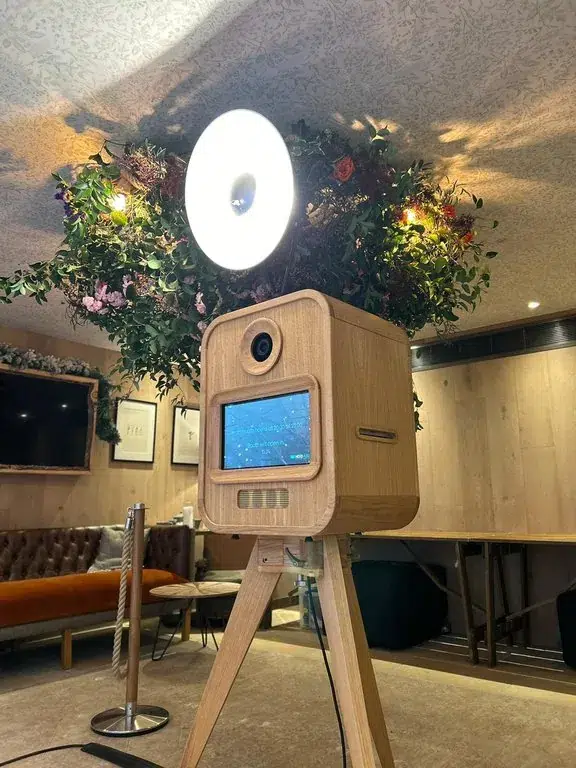
This is especially true at premium events, where guests are visually literate. They notice when finishes feel elevated and when they do not. Oak-crafted booths, elegant props, clean lines, flattering lighting, and a cohesive palette all contribute to an installation that earns attention rather than demanding it.
For corporate events, this same principle applies in a slightly different way. The content must look polished enough to sit comfortably on a brand manager’s social channels, but still feel enjoyable and instinctive for guests to engage with. Strong branding is useful, but over-branding can reduce shareability. If every image feels like an advert, people are less likely to post it.
Shareability is built around guest behaviour
The most effective event content fits naturally into how people already behave at events. Guests want quick wins, flattering images, and moments that feel social rather than staged. They are far more likely to share content that is easy to access, easy to understand, and instantly rewarding.
This is where many events miss the mark. They focus on spectacle alone, forgetting the guest journey. A striking installation may attract attention across the room, but if the interaction takes too long, feels awkward, or produces underwhelming output, the share rate drops quickly.
When considering how to create shareable event content, think beyond the activation itself. Ask what the guest experiences from arrival to final asset. Is the invitation clear? Is the process intuitive? Does the output feel premium enough to post without editing? Can they receive it immediately?
For weddings, emotion plays a larger role. Guests are often sharing not just because something looks beautiful, but because it captures the atmosphere of the day. The most shareable moments tend to feel joyful, flattering, and personal. For corporate audiences, novelty and brand relevance tend to carry more weight. An AI-led experience, live artwork, or evolving mosaic can perform especially well because it gives people something they have not seen repeatedly before.
Design content moments, not just content stations
A static corner with a sign saying “take a photo” is rarely enough. Shareable event content needs a sense of occasion. It should feel like a moment guests seek out, talk about, and bring others over to experience.
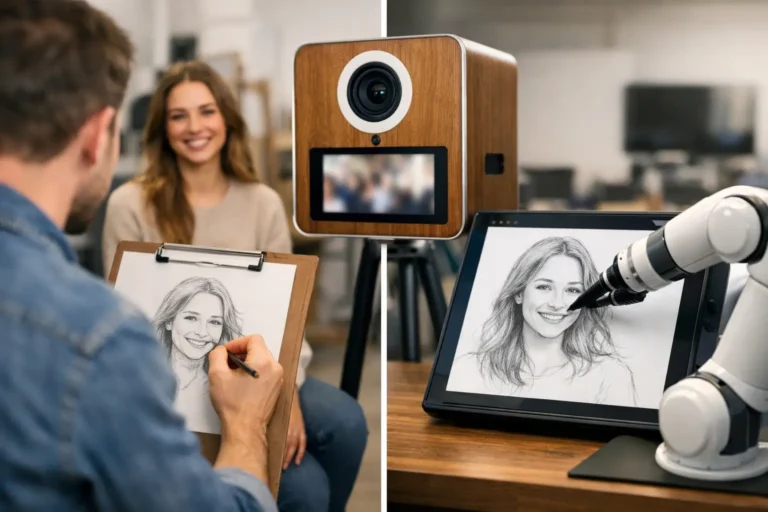
That is why the strongest activations are immersive. A Glam-style black-and-white booth becomes more than a camera when the lighting is cinematic, the backdrop is impeccably chosen, and the final image looks like a magazine portrait. An AI Sketch Bot becomes more than a novelty when guests watch their portrait being created in real time, then leave with something beautifully produced and highly post-worthy. A mosaic wall becomes even more compelling as it evolves across the evening, turning individual contributions into a collective visual statement.
This distinction matters because people do not usually share equipment. They share experiences. The installation is only the vehicle.
Why quality matters more than volume
One of the simplest ways to improve your results is to stop thinking in terms of how much content an event can produce and start focusing on whether the content is worth sharing. High volume can be useful, particularly at large-scale brand events, but if the imagery lacks quality, the content does not travel far.
Luxury audiences are selective. They are unlikely to post grainy images, harsh lighting, cluttered backdrops, or generic templates that weaken the tone of the occasion. Premium production values are not a finishing touch here. They are the point.
Flattering lighting, crisp image capture, excellent print and digital finishes, and considered art direction all increase shareability because they reduce friction. Guests do not need to crop around distractions, apply filters, or second-guess whether the image represents the event well.
There is, however, a trade-off. Highly styled experiences can become too polished if they leave no room for spontaneity. The most memorable content often sits in the balance between curation and personality. Guests still want to feel like themselves, not like they have stepped into a branded template with no character.
How to create shareable event content for weddings
At a wedding, shareable content should feel like a natural extension of the celebration rather than a separate entertainment add-on. The aesthetic should reflect the couple’s wider styling, from florals and tablescape to stationery and venue mood.
This is why design-led installations work so well in premium wedding settings. They can be tailored to complement the room rather than interrupt it. A retro-inspired booth may suit a chic country house celebration, while a sleek digital setup or Glam experience may better suit a black-tie evening reception.
The content itself should also suit the emotional rhythm of the day. During drinks receptions, guests are usually open to lighter interaction and group content. Later in the evening, they are often more willing to experiment, loosen up, and create the kinds of images they post immediately. Positioning matters. If the installation sits near the flow of the celebration, usage rises. If guests have to hunt for it, momentum can fade.
Subtle personalisation helps. Monograms, carefully designed templates, and backdrop selections that nod to the couple’s style can make the content feel bespoke without becoming visually busy. The goal is to preserve elegance while giving guests something distinctive to remember and share.
How to create shareable event content for brands and agencies
For corporate events, launches, and public-facing activations, shareability needs to serve a wider purpose. It should support brand visibility, audience engagement, and post-event reach without sacrificing taste.
The smartest approach is to build around one clear creative idea. Rather than trying to force several disconnected interactions into one space, choose a hero experience that aligns with the campaign, the audience, and the venue. A live mosaic can work brilliantly for events centred on community and participation. AI-generated portrait or graffiti experiences can be especially effective where innovation, creativity, or cultural relevance are part of the brand story.
The output must still be guest-led. People share content that makes them look interesting, stylish, or part of something noteworthy. They do not share because a brand wants impressions. Those objectives can align, but only if the content has genuine value to the person posting it.
This is where refined execution becomes a commercial advantage. At the premium end of the market, the visual standard of your event content reflects on the brand itself. If the activation feels thoughtful, current, and unmistakably premium, the resulting posts tend to carry more credibility.
Make it easy to share in the moment
Even exceptional content can underperform if delivery is clumsy. The window for sharing is often short. If guests receive their image or artwork quickly, while they are still immersed in the event, posting becomes far more likely.
That does not mean every experience should be identical. Some installations benefit from instant digital delivery, while others gain value from a tactile printed takeaway or a live visual reveal. It depends on the format, the audience, and what kind of response you want. A fast-moving party may favour immediate digital assets. A luxury wedding may benefit from both digital convenience and beautifully finished keepsakes.
Clear guidance helps too, as long as it remains discreet. Guests should understand what the experience is, what they will receive, and how to access it without feeling managed.
The strongest content extends beyond the event
Truly shareable event content has a second life. It appears in guest stories on the night, then resurfaces in post-event galleries, recaps, internal brand comms, and memory-making long after the final song.
That is why the best event content strategy is not just reactive. It is planned from the outset. Consider what the installation will look like in wide venue shots, close-up phone footage, professional photography, and social reposts. Think about how it supports both immediate excitement and longer-term brand or personal storytelling.
A well-curated activation can do all of this at once. It can entertain the room, create a focal point, generate polished assets, and leave guests with something they genuinely want to keep. For hosts who care about aesthetic impact as much as guest experience, that is where the value lies.
If you are deciding how to create shareable event content, start with one question: would your guests be proud to post it? When the answer is yes, the sharing usually takes care of itself.