
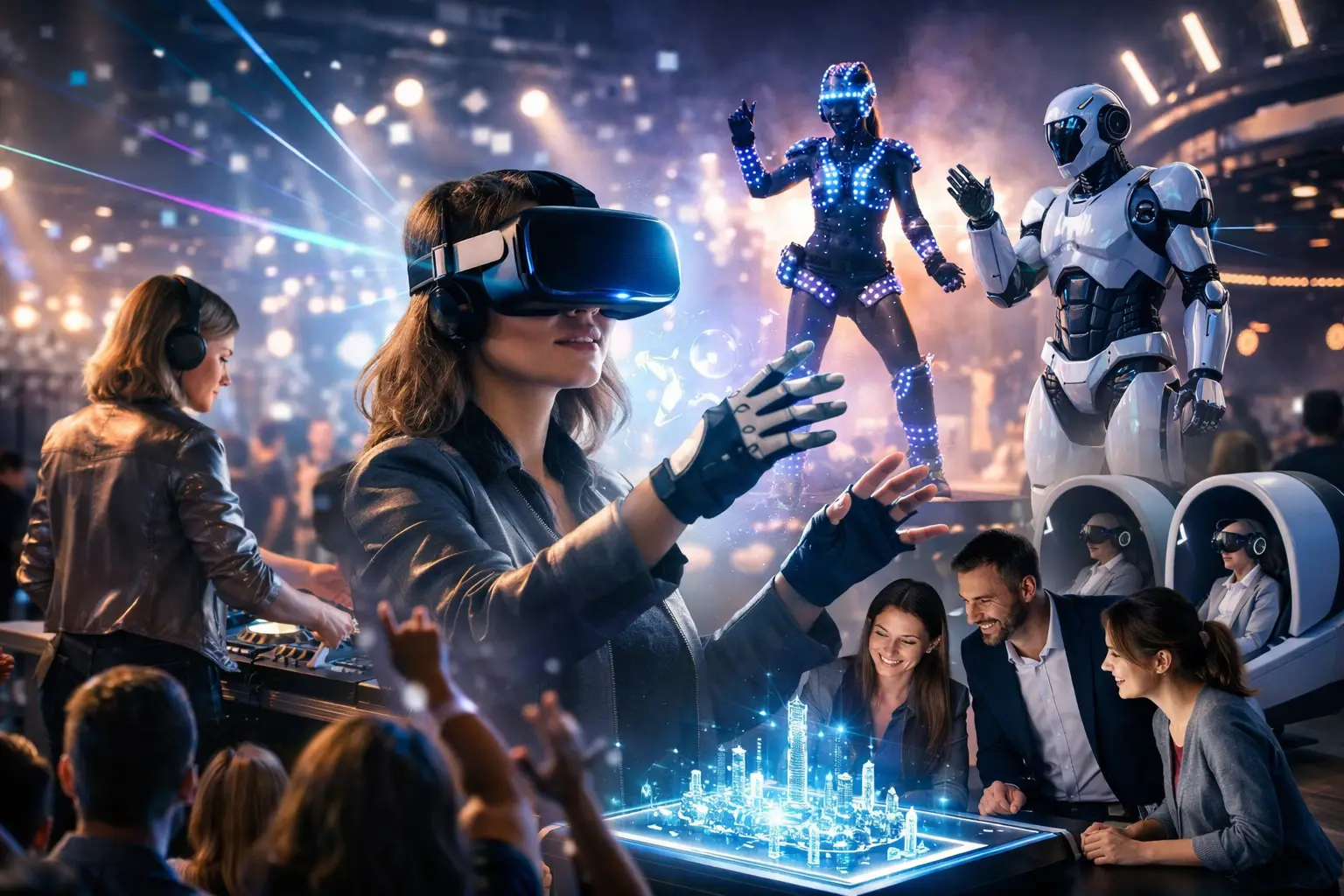
7 Event Entertainment Trends 2026
Explore event entertainment trends 2026, from AI activations to design-led installations that elevate weddings and corporate events across the UK.
A packed dance floor still matters. So does a brilliant band. But the most talked-about moments at luxury weddings and high-profile brand events are increasingly happening just off to the side – where guests can create, interact, and leave with something beautifully made. That shift sits at the heart of event entertainment trends 2026: less passive watching, more refined participation.
For couples, that means entertainment becoming part of the visual language of the day, not an awkward add-on. For brands and agencies, it means choosing experiences that do more than fill time between speeches or product reveals. The strongest entertainment now earns attention, photographs beautifully, and gives guests a reason to engage more than once.
Event entertainment trends 2026 are becoming more design-led
The clearest move for 2026 is away from entertainment that feels separate from the event aesthetic. Guests notice when an installation has been considered properly – when the finish, styling, lighting and guest journey all feel aligned with the wider scheme.
At luxury weddings, this shows up in entertainment that complements florals, table styling and venue architecture rather than competing with them. At corporate events, it means activations that look on-brand from every angle, especially in content capture. A sleek installation with a polished interface and premium output does more for perception than something loud but visually inconsistent.
This is partly about taste, but it is also practical. Events are photographed constantly, whether by professionals or guests. If an entertainment feature is going to appear in hundreds of images and videos, it has to look exceptional. In 2026, visual discipline is no longer a bonus. It is part of the brief.
Guests want to make something, not just consume it
Static entertainment has its place, but interactive creation is where energy is building. Guests are responding to experiences that invite them to contribute rather than simply observe. That could be a portrait transformed into artwork, a live installation that builds throughout the evening, or a moment of personalised content they can keep and share.
The appeal is obvious. Participation creates memory. It also creates dwell time, conversation and repeat visits, which is especially valuable at corporate events where audience attention is often fragmented.
There is a trade-off, though. Not every interactive concept works in every setting. A formal black-tie dinner may need something elegant and low-friction, while a brand launch can carry a more theatrical activation. The best choices are not just innovative. They are calibrated to the pace, tone and confidence level of the room.
AI becomes part of the guest experience
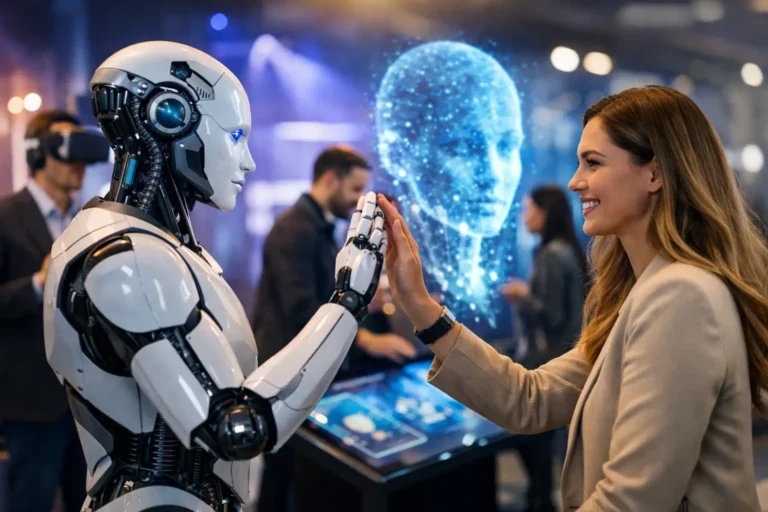
Artificial intelligence is moving from backstage logistics to front-of-house entertainment. In 2026, guests are no longer impressed by AI because it is new. They are impressed when it is used well.
That means activations with a clear visual payoff, intuitive interaction and premium output. AI-generated sketches, intelligent personalisation and digital art walls are strong examples because they turn a guest’s presence into something tangible and distinctive. The technology matters, but only if the experience feels immediate, elegant and worth the queue.
For corporate clients, AI-led entertainment also sends a subtle message about brand positioning. It suggests modernity, cultural relevance and confidence. For weddings and private celebrations, it offers novelty without sacrificing polish – provided the styling remains refined.
Premium photo moments are replacing novelty for novelty’s sake
Photo-based entertainment is not going anywhere. It is simply becoming more elevated. The difference is in the finish.
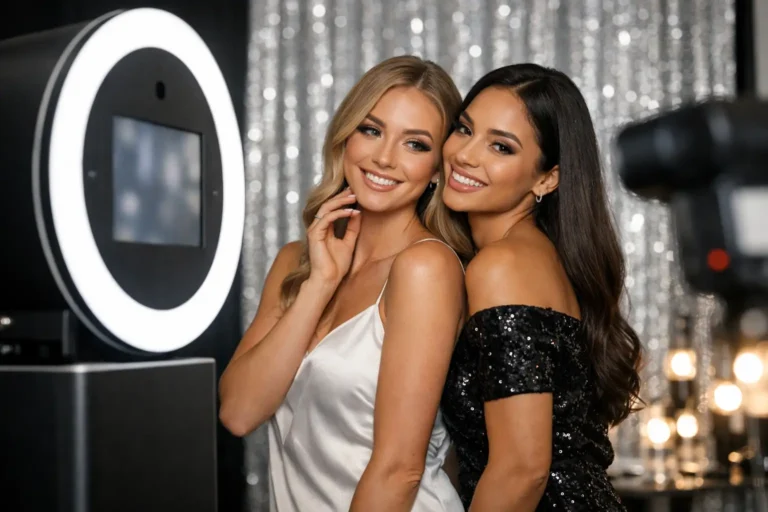
Guests still want images they can share instantly, but expectations are far higher than they were a few years ago. The backdrop, lighting, print or digital output, user interface and booth design now all contribute to whether the experience feels premium or forgettable. In 2026, a photo moment has to function as both entertainment and installation.
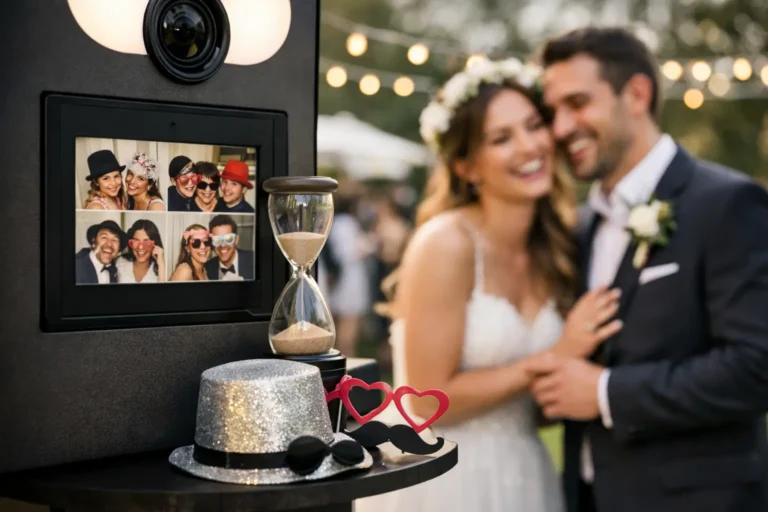
Black-and-white glamour aesthetics, editorial framing, crafted booth exteriors and thoughtfully curated props all speak to a broader trend: people want event content that looks considered. Not staged in a clumsy way, but flattering, stylish and aligned with the occasion.
For weddings, this creates a beautiful tension between spontaneity and sophistication. For brands, it produces cleaner, more usable content with stronger after-event value. That is one reason design-led providers such as MooMuu Experiential are seeing demand from clients who care as much about the visual standard as the fun itself.
Event entertainment trends 2026 favour shareable outcomes
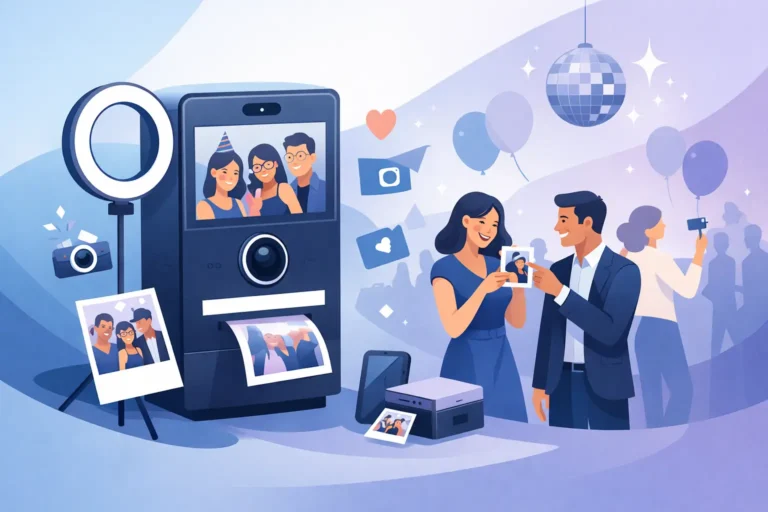
The best entertainment in 2026 does not end when the guest walks away. It leaves behind something worth posting, displaying or revisiting.
That might be a mosaic installation building image by image across the event, a digital portrait delivered instantly, or a branded creative asset that continues circulating after the evening has finished. Entertainment is increasingly judged by the quality of its output, not just the energy around it in the moment.
This is particularly important for corporate events. Marketing teams and agencies are under pressure to show engagement in visible ways. A guest interaction that results in elegant branded content, user-generated imagery or a collective installation offers much more than amusement. It creates proof of participation.
At weddings, the logic is slightly different but no less compelling. Couples want entertainment that adds to the archive of the day – extra portraits, guest moments, visual layers and talking points that carry beyond the celebration itself. The entertainment becomes part of the memory-making, not a side note.
Personalisation is becoming more subtle and more luxurious
There was a time when personalisation meant putting a name on something and calling it bespoke. Guests are now used to more. In 2026, personalisation works best when it feels integrated rather than obvious.
For brand events, that could mean tailoring outputs to campaign visuals, event palettes or specific audience segments. For weddings, it might mean backdrops, print designs and styling choices that feel completely in keeping with the setting and story of the day.
The point is not to over-brand or over-style every surface. It is to create coherence. The guest should feel that the experience belongs exactly where it is, rather than having been dropped into the room at the last minute.
Live installations are taking centre stage
There is growing appetite for entertainment that evolves in real time. Guests enjoy seeing an experience build over the course of an event, especially when they have played a part in shaping it.
Live mosaic walls are a strong example because they combine personal contribution with a collective reveal. Early in the evening, guests engage with an individual image. Later, they see that image become part of something larger. It is satisfying, visual and easy to understand.
The same principle applies to interactive digital walls and creative AI stations. A live installation gives the room momentum. It also helps with flow, because guests can encounter it at different points rather than all at once.
That said, live formats need thoughtful positioning and pacing. If an activation is hidden away, poorly lit or difficult to navigate, the impact drops quickly. Premium execution matters just as much as the idea itself.
The guest journey matters as much as the headline idea
One of the most significant event entertainment trends 2026 is less visible: clients are looking more closely at the full experience around the entertainment, not just the concept on paper.
How easy is it to use? Does it look polished before anyone even interacts with it? Is there a smooth arrival point, clear direction, and a satisfying end product? Does the team on site feel calm, informed and aligned with the tone of the event?
These details shape perception. A beautiful installation can lose its appeal if the queue feels chaotic or the process needs too much explanation. Equally, a simple concept can feel exceptional when it is delivered with confidence and care.
For luxury weddings and prestigious corporate events, this matters enormously. Hosts want entertainment that enhances the atmosphere, not something that needs managing. The most successful activations are the ones that feel naturally embedded in the event from start to finish.
What this means for planners, couples and brands
The direction of travel is clear. Entertainment is becoming more experiential, more photogenic, more intelligent and more closely tied to the overall design of an event.
That does not mean every 2026 event needs AI, or that traditional formats no longer have value. It means expectations have shifted. Guests want moments they can step into. Clients want installations that justify their footprint visually and emotionally. And everyone wants the end result to feel elevated.
The smartest approach is to choose entertainment by asking a few sharper questions. Will it suit the room? Will it look right in photographs? Will guests understand it instantly? Will the output still matter tomorrow? If the answer is yes, you are not just filling a slot in the running order. You are creating one of the moments people remember first.
The best event entertainment in 2026 will not shout for attention. It will earn it – beautifully, confidently, and with a lasting impression long after the final guest has left.