
How to Increase Event Guest Engagement
Learn how to increase event guest engagement with design-led ideas, interactive activations and smarter planning for memorable events.
A beautiful event can still fall flat if guests have nothing to do beyond admire the room. The hosts may have chosen an exceptional venue, the styling may be immaculate, and the catering may be flawless, yet the atmosphere can remain oddly passive. If you are wondering how to increase event guest engagement, the answer is rarely more noise or more schedule. It is usually better design of the guest experience.
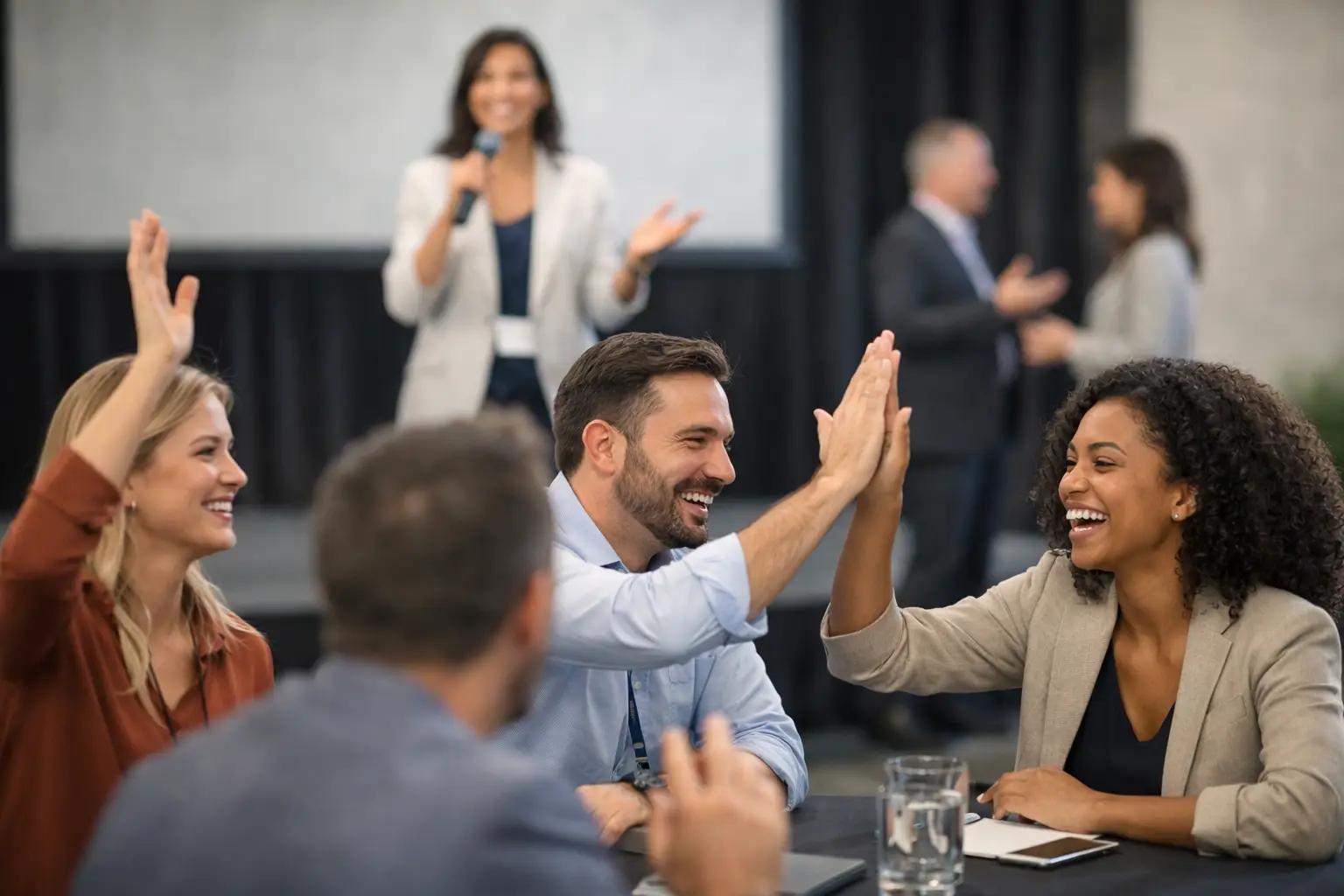
Engagement happens when people feel invited into the event rather than simply present at it. That means giving them moments to create, respond, personalise, share and interact in a way that feels natural for the setting. At a luxury wedding, that might look like a beautifully styled photo experience that draws generations together. At a corporate event, it could be a live installation that turns attendees into contributors and creates branded content in real time.
What guest engagement actually means
Guest engagement is not just about keeping people occupied. It is about shaping an atmosphere where guests participate willingly and remember the event for more than its appearance. The best engaged events have movement, conversation and a sense of discovery. People do not merely watch what has been prepared for them. They become part of it.
That distinction matters because not every event needs the same type of interaction. A brand launch may need shareable moments and measurable dwell time. A private celebration may need warmth, spontaneity and something that brings different groups together. A wedding may need elegant entertainment that feels in keeping with the day rather than bolted on for novelty.
When planners misjudge this, engagement efforts can feel forced. Guests notice when an activation is visually loud but emotionally disconnected from the event. They also notice when something is technically clever but aesthetically out of place. The most effective approach is always curated, not crowded.
How to increase event guest engagement from the start
The strongest guest engagement is designed long before the event begins. It starts with a simple question: what do you want guests to feel, do and take away?
If the goal is energy, your approach will be different from an event centred on intimacy or prestige. For example, a black-tie awards evening may benefit from refined, high-impact moments that encourage elegant participation without interrupting the flow. A wedding breakfast transitioning into an evening party may need a focal point that gradually draws people in and becomes more animated as the night unfolds.
This is why a generic entertainment checklist rarely works. To increase event guest engagement, the interaction needs to match the event’s identity, timing and audience. A room full of brand directors, clients and press will engage differently from a dance floor of wedding guests spanning three generations. Both can be highly interactive, but the tone has to be right.
Design-led experiences perform better than distractions
There is a clear difference between an installation that enhances the room and one that competes with it. Design-conscious events require activations that feel integrated into the visual language of the day. This is especially true in premium venues, where every detail has been considered.
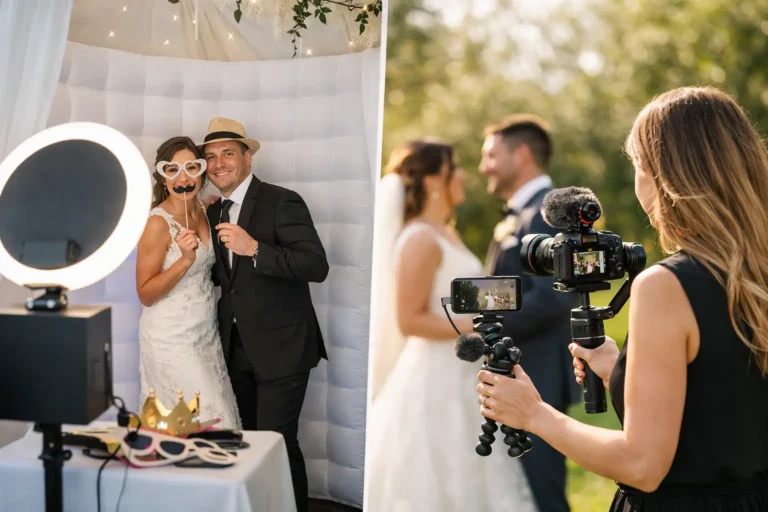
A thoughtfully styled photo booth, for instance, works because it offers both theatre and outcome. Guests are drawn to it by its presence, but they stay because it gives them something polished to enjoy and keep. The imagery becomes part of the event’s afterlife, whether that is a wedding gallery revisited for years or branded content shared after a corporate launch.
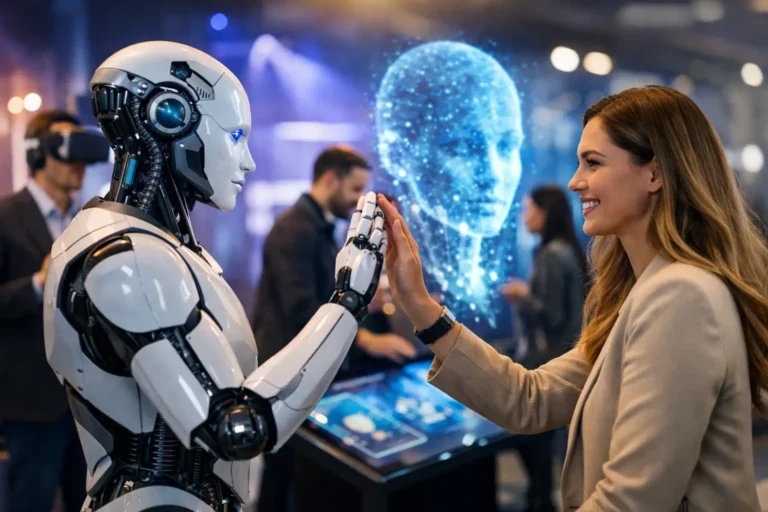
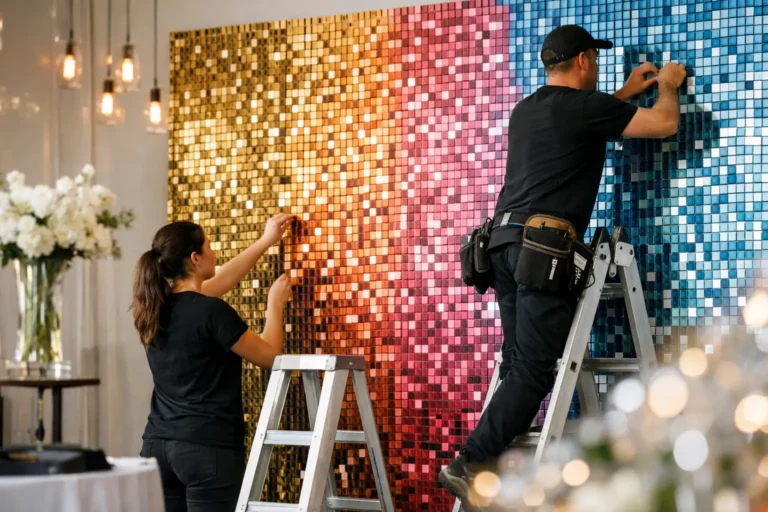
The same principle applies to interactive technology-led experiences. An AI Sketch Bot, a live Mosaic Wall or an AI Graffiti Wall can attract attention immediately, but their real value lies in participation with payoff. Guests are not pressing a button and walking away. They are contributing to something visual, evolving and distinctly memorable.
There is, however, a trade-off. The more ambitious the activation, the more important thoughtful placement, pacing and hosting become. A striking installation can lose impact if it is tucked into a dead corner or introduced at the wrong moment.
Give guests a clear reason to take part
One of the most overlooked parts of engagement is invitation. Guests need to understand, almost instinctively, why they should step forward.
This does not mean over-explaining. It means the experience itself should be intuitive and enticing. A glamorous black-and-white photo setup with flattering lighting and a refined backdrop communicates its appeal immediately. A mosaic building live throughout the evening creates curiosity because people can see the bigger picture forming. An AI-led art activation becomes compelling when guests realise they are not just observing technology but creating a piece worth sharing.
Social proof matters too. Once a few guests engage and enjoy it, others follow. This is why live experiences often outperform static features. They gather momentum. People see reactions, hear laughter, notice queues forming and decide they want to be part of it.
For hosts and planners, this means choosing activations with an obvious guest journey. If people have to ask whether they are allowed to touch it, whether it is relevant to them, or what happens next, engagement drops quickly.
Timing can make or break engagement
Even the most exquisite activation can underperform if introduced at the wrong point in the event.
At weddings, early evening often works well for interactive installations because guests are relaxed, circulating and open to exploring. During dinner, engagement naturally dips unless the experience is woven into the tablescape or programme. Later in the evening, photo-led experiences often come into their own, especially when the atmosphere becomes more playful.
For corporate events, it depends on the objective. If the goal is footfall and lead capture, visibility from the start is useful. If the goal is sustaining energy at a longer event, a live evolving element can be more effective because it gives people a reason to return. A Mosaic Wall is a good example of this. It changes throughout the event, which encourages repeated interaction rather than a single burst of attention.
The wider event flow matters just as much. Engagement should never feel like an interruption to key moments. It should support the rhythm of the day and give guests an elegant point of entry when there is natural downtime.
Make it personal, not just interactive
If you want to know how to increase event guest engagement in a meaningful way, personalisation is where many events move from pleasant to unforgettable.
Guests are more likely to participate when the outcome feels specific to them. That could be a flattering portrait, a personalised sketch, an evolving artwork they helped create or branded content that feels considered rather than generic. Personal relevance is what turns interaction into memory.
This is especially valuable for luxury events, where guests are highly attuned to quality. They respond to experiences that feel premium in finish and intentional in design. They are less interested in gimmick and more interested in something that reflects the calibre of the event itself.
For corporate audiences, personalisation also deepens brand connection. When an attendee leaves with a beautifully produced asset tied to the event, the brand remains with them in a more lasting way. For private celebrations, the value is more emotional but no less powerful.
Why aesthetics affect participation
People engage more readily with experiences that look good. That may sound obvious, but it is frequently underestimated.
At premium events, visual confidence is a form of reassurance. Guests approach an installation more willingly when it feels polished, curated and in keeping with the surroundings. Elegant materials, refined styling and high-quality output all influence whether an activation is perceived as desirable.
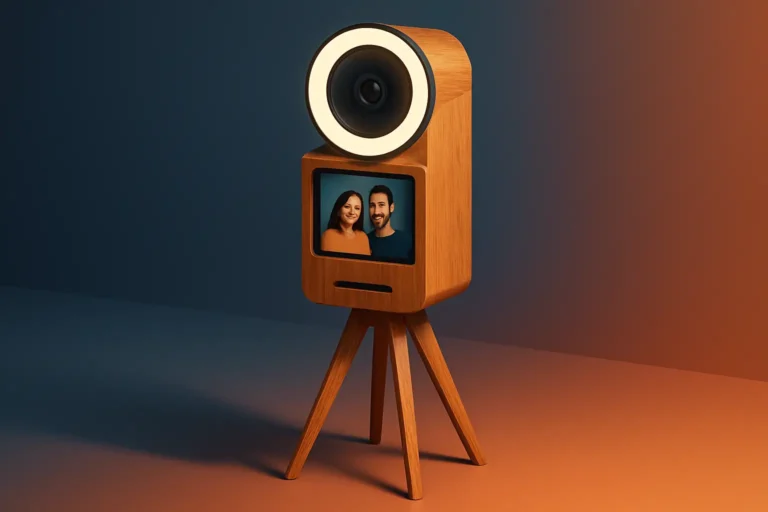
This is where luxury experiential design has a real advantage. A beautifully finished oak-crafted booth or a statement interactive wall does not need to shout for attention. Its presence is enough to draw guests in. The engagement feels elevated because the environment tells them this is worth their time.
MooMuu Experiential has built its approach around exactly this principle – creating installations that feel like part of the event design, not an afterthought added for activity.
Measure the right kind of success
Not every form of engagement should be measured in the same way. For a wedding or private party, success may be a full guest book, joyful group photos and the sense that everyone found their moment to join in. For a corporate event, you may look more closely at dwell time, repeat visits, content creation and post-event sharing.
What matters is aligning the experience with the event outcome. A quieter, more editorial photo moment may create fewer interactions than a louder live art wall, but if the images are exceptional and the guest response is strong, it may still be the right choice. More activity is not always better. Better-fit activity is better.
That is often the difference between engagement that feels premium and engagement that feels busy. The best events do not ask guests to do everything. They offer one or two beautifully considered opportunities to take part in a way that feels effortless.
Guests remember how an event made them feel, but they also remember what they were invited to do within it. Give them something refined, visual and easy to step into, and the room starts to shift. Conversation opens up, energy rises, and the event begins to belong to the people in it rather than just the people who planned it.