
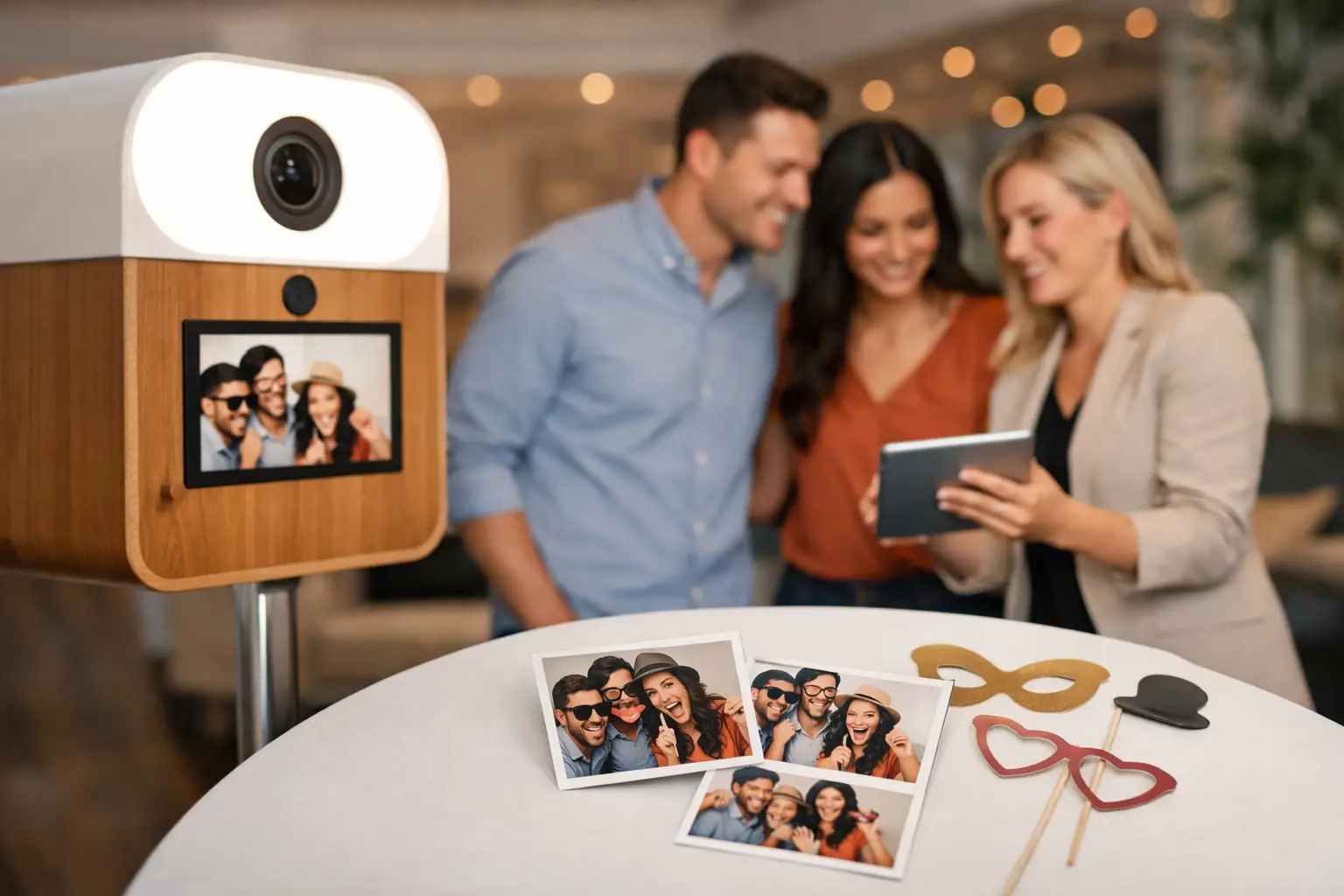
How to Plan Branded Guest Engagement
Learn how to plan branded guest engagement that feels refined, interactive and memorable, with design-led ideas for weddings and events.
The difference between a forgettable event and one guests talk about for months is rarely the guest list alone. It is the moments people step into, interact with, photograph and share. That is why knowing how to plan branded guest engagement matters so much, whether you are styling a luxury wedding, hosting a private celebration or delivering a polished corporate experience.
Branded guest engagement is not about placing a logo on everything in sight. At the premium end of the market, it is about creating an atmosphere and a series of interactions that feel unmistakably aligned with the event itself. The right approach makes the brand, couple or host feel more present without ever becoming heavy-handed.
What branded guest engagement actually means
At its best, branded guest engagement is the meeting point between visual identity, guest experience and lasting content. For a wedding, that might mean an installation that reflects the couple’s aesthetic, palette and tone, while giving guests a beautifully designed way to participate. For a corporate event, it often means building an activation that expresses the brand through experience rather than message alone.
The key is intention. A digital photo moment, an AI-led installation or a live mosaic can all be branded, but the success lies in how naturally they sit within the setting. If the experience feels bolted on, guests notice. If it feels thoughtfully curated, it becomes part of the event’s rhythm.
How to plan branded guest engagement from the guest’s perspective
The easiest way to get this wrong is to begin with what the host wants to show. The better starting point is what the guest will feel. Ask what you want them to notice first, what you want them to do next, and what you want them to leave with.
That could be a portrait they genuinely want to keep, an artwork created in real time, or a moment of shared participation that becomes a talking point during dinner and long after the event has ended. When the guest journey is clear, branding becomes more elegant because it supports the experience instead of interrupting it.
For weddings, this often means softer branding and stronger styling. The couple’s personality can be expressed through finishes, print design, backdrops and image treatment rather than overt signage. For corporate events, the balance may shift slightly towards campaign alignment, but refined execution still matters. The more prestigious the setting, the more design discipline counts.
Start with the event identity, not the activation
Every strong engagement concept begins with a visual and emotional brief. Before choosing any installation, define the event identity in practical terms. Consider the venue, guest profile, dress code, time of day and the overall finish you want guests to experience.
A black-tie launch in a city venue calls for something very different from a summer wedding at a country estate. One may suit a high-gloss monochrome portrait experience with clean branding and editorial lighting. The other may call for warmer materials, softer tones and an installation that feels more romantic and immersive.
This is where many planners make a useful distinction between visibility and harmony. A statement piece should absolutely draw attention, but it should still belong in the room. Design-led guest engagement works because it complements the wider event scheme instead of competing with it.
Choose an experience with a clear visual payoff
If guests are going to queue for something, share it and remember it, the result has to be worth their time. The strongest branded activations offer an immediate visual payoff.
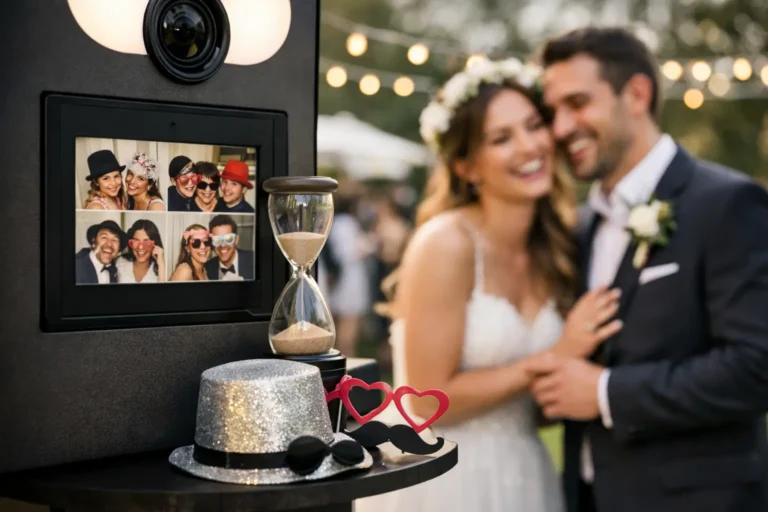
That might be a glamour-style black-and-white portrait with a refined finish, a retro booth that delivers nostalgic charm in a more elevated way, or an AI-powered experience that produces playful but polished artwork guests have not seen before. In the right setting, a live mosaic wall can also be especially effective because it evolves throughout the event and gives people a reason to return.
There is no single correct format. It depends on the audience and the tone of the occasion. Weddings tend to benefit from experiences that feel intimate, beautiful and easy to join. Corporate audiences often respond well to installations that create conversation, dwell time and highly shareable content. In both cases, the common thread is quality. If the output looks exceptional, the engagement feels more valuable.
Make branding feel designed, not imposed
This is the point where branded guest engagement either becomes refined or starts to feel obvious. Good branding does not have to shout. In many cases, subtle integration is what gives an installation its luxury feel.
Branding can appear through the print layout, on-screen motion design, backdrop treatment, signage, digital gallery styling or the visual language of the activation itself. For weddings, that might be a bespoke monogram, a carefully chosen typeface or a colour palette carried through every detail. For corporate events, it may be a campaign identity translated into a tactile, interactive moment.
The trade-off is visibility. If you push branding too hard, the guest experience can feel promotional. If you hold it back too much, the event may miss a strategic opportunity. The sweet spot usually sits somewhere in the middle – recognisable, elegant and tailored to the setting.
Think carefully about placement and flow
Even the most striking installation underperforms if it is placed badly. Guest engagement should feel discoverable, not hidden, but it also needs enough space to breathe.
Positioning near the drinks reception can generate early energy, while a later placement near the bar or dancing space may keep momentum going into the evening. For larger corporate events, an activation near the entrance can create an immediate focal point, but only if the area allows for natural gathering without congestion.
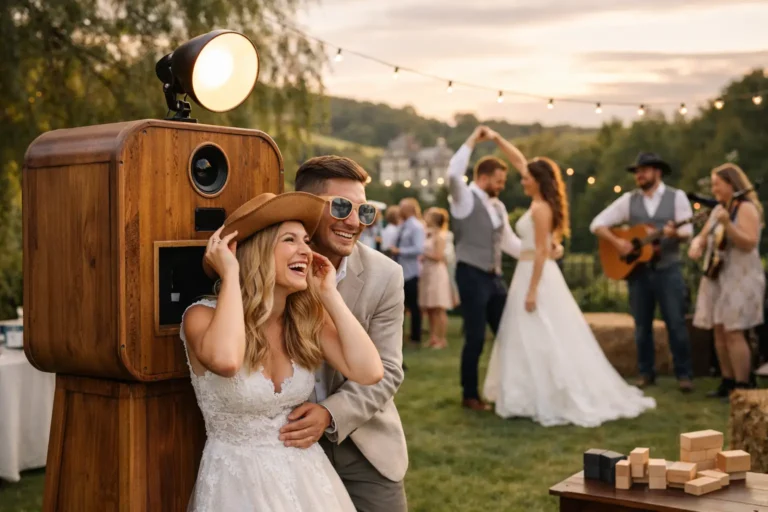
It is worth thinking beyond footfall. Consider sight lines, lighting, acoustics and how the installation will photograph within the venue. Premium experiences are visual by nature, so their surroundings matter. An oak-crafted booth or design-led digital installation deserves a setting that allows it to look its best.
Build the content journey before the event starts
The most effective branded guest engagement continues working after the moment itself. That only happens if the content journey has been considered in advance.
Ask what guests receive, how quickly they receive it, and whether the format suits the event. Instant digital delivery may be ideal for a launch or brand activation where social sharing is part of the objective. Printed keepsakes can feel especially meaningful at weddings and private celebrations, where guests value something tangible as well as digital access.
For corporate teams, think about the afterlife of the content too. Can the visuals support post-event coverage, internal communications or future brand storytelling? For couples, the question is more personal but no less important. Will the images feel timeless enough to revisit, frame or add to an album? Premium guest engagement should create assets worth keeping.
Match the technology to the tone
Technology-led activations are most successful when they enhance the atmosphere rather than dominate it. AI sketching, live digital artwork and interactive walls can create real excitement, but the format has to suit the room.
In a fashion-led launch or modern celebration, a more experimental installation can feel exactly right. In a classic wedding setting, the same technology may work beautifully if the styling and output remain elegant. The point is not to choose the newest option for its own sake. It is to choose the one that delivers the right kind of interaction for your guests.
This is where an experienced partner becomes valuable. The best installations are not selected in isolation. They are chosen in response to venue, timing, audience behaviour and the finish expected from the event as a whole. MooMuu Experiential approaches this as a curated design decision, not a rental checklist.
Don’t leave guest engagement until the final weeks
Branded elements always look better when they are planned early. That gives you time to align creative direction, tailor visual details and ensure the activation feels fully integrated with the rest of the event design.
Late decisions tend to produce generic outcomes, even with strong products. Early planning allows for considered artwork, well-resolved styling and a more polished guest journey. It also gives your production team time to solve practical details before they become pressure points.
The most memorable events rarely feel busy, even when they are full of activity. They feel composed. That sense of ease usually comes from preparation.
A final thought on how to plan branded guest engagement
The best branded guest engagement does not ask guests to admire your event from a distance. It invites them into it. When the experience is beautifully styled, intelligently placed and genuinely enjoyable to take part in, branding stops feeling like decoration and starts becoming memory.