
How Does an AI Sketch Bot Work at Events?
How does an AI sketch bot work? See how live portraits become illustrated keepsakes, and what matters when planning the experience for your event properly.
MooMuu AI Sketch Bots turn a guest photo into a portrait drawn live on paper by a robot. Guests have their photo taken at an iPad kiosk, choose a sketch style and watch a robotic artist draw their illustration line by line. It is a physical drawing experience, not simply an AI image sent to a printer.
The result may look simple from the guest’s point of view, which is exactly the intention. Behind that short interaction, however, sits a considered guest journey. The quality of the original portrait, the illustration style, the paper and drawing finish and the way the installation is presented all affect whether the experience feels like a thoughtful part of the event or merely another screen in the room.
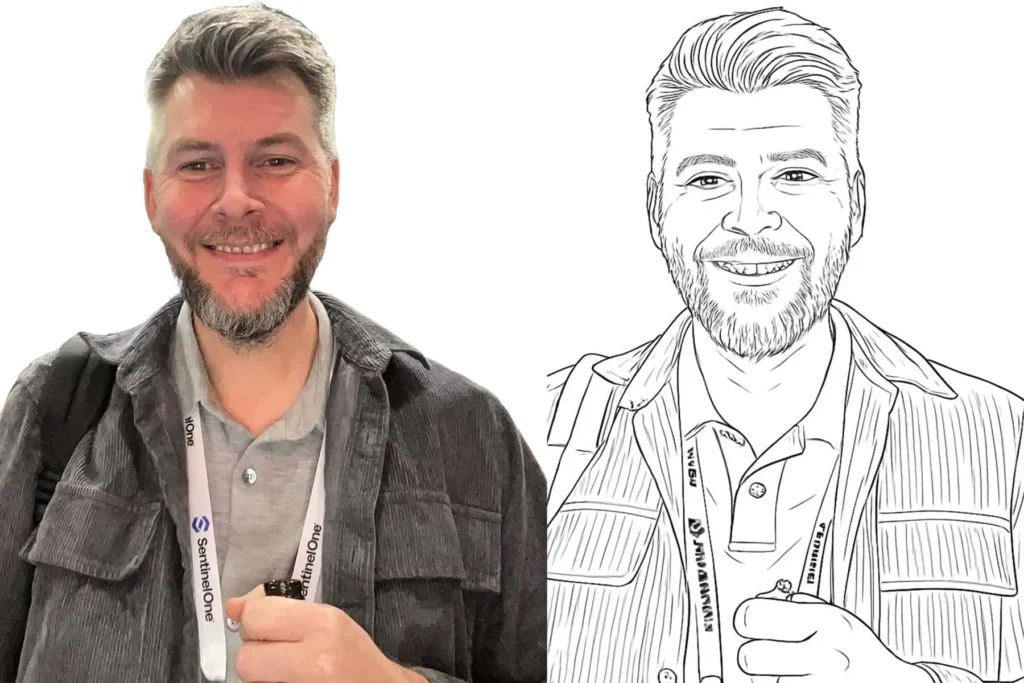
How does an AI Sketch Bot work, from photo to drawing?
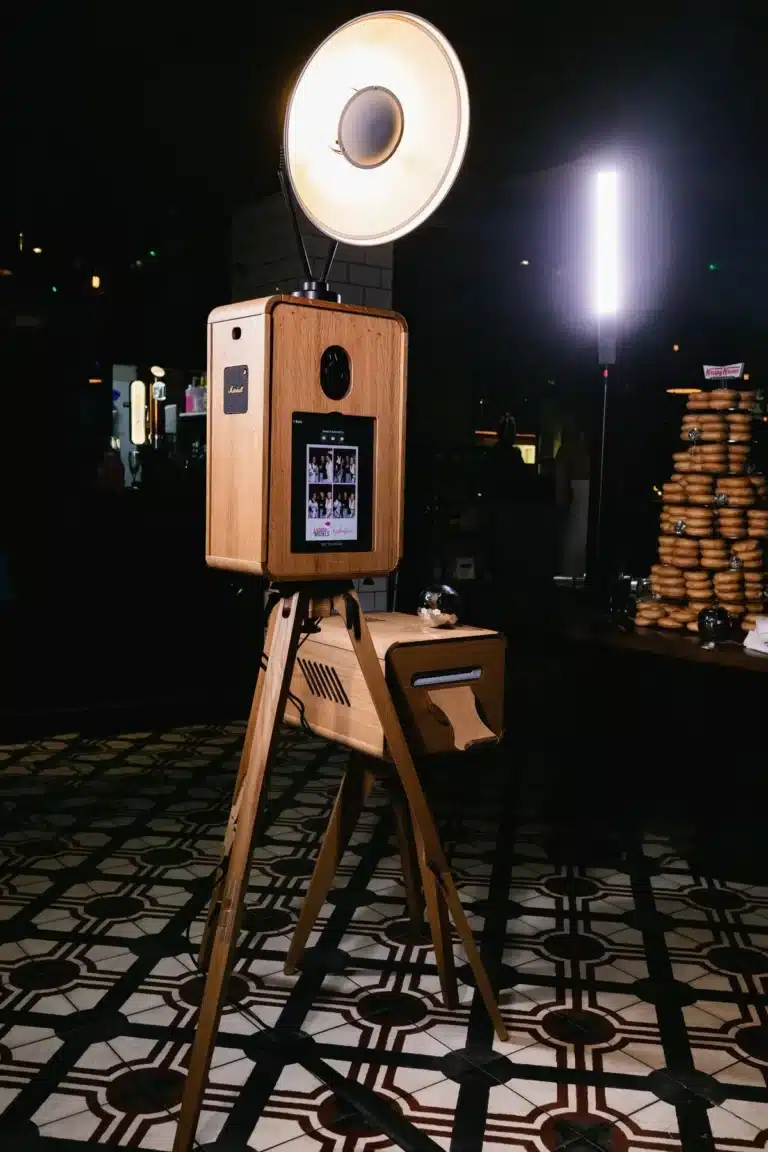
The experience begins at MooMuu’s iPad kiosk. An attendant guides the guest through taking a portrait and selecting a sketch style. A clear photo helps the illustration retain recognisable features, so simple guidance on positioning and lighting remains important.
The image is processed using cloud-based AI to create an illustration in the selected style. That artwork is then sent to an available Sketch Bot, which draws it on paper. Reliable internet connectivity is needed for the AI processing stage.
The illustration is an AI interpretation of the photograph, not a promise of an exact likeness. Results vary with the source image and chosen style. Reviewing examples with MooMuu before the event helps you choose a treatment that suits your guests and creative brief.
The robot draws the portrait live, giving guests something to watch as well as an artwork to take home. Drawing time depends on the style and detail; the full guest journey also includes capture, AI processing, any queue and collection. Digital delivery options can be discussed alongside the physical portrait when planning your package.
The guest journey matters as much as the technology
AI is only one part of the experience. For weddings and private celebrations, the appeal is often the gentle theatre of watching a familiar face become a drawing. Guests can see the robot at work and leave with their own paper portrait as a personal keepsake.
At corporate events, the same interaction can support more specific objectives. A sketch bot can draw guests onto a stand, encourage them to pause within an activation, and create a reason to start conversations with colleagues or brand representatives. Because the output is personal, it tends to have more staying power than a standard giveaway. It is also content capture with a clear exchange of value: the guest gives a few moments of their time and receives an illustration worth keeping.
The best setups make this journey easy to understand. Guests should be able to see what is being created, where to queue and what they will receive. A visible gallery of recent sketches can generate natural curiosity, while an experienced host can keep the pace relaxed and explain the process without turning it into a technical demonstration.
Why the original portrait still makes a difference
AI can interpret an image beautifully, but it cannot compensate for every weak source photograph. Poor lighting, a busy background, low-resolution capture or an awkward angle can reduce the clarity of the final sketch. This is why an event-grade AI sketch experience should be designed around the portrait before the generation process begins.
Lighting is particularly important. It should flatter a wide range of skin tones, minimise harsh shadows and preserve detail around the eyes and face. The backdrop also needs thought. A clean, well-chosen background helps the guest stand out and supports the intended visual style, whether that is classic, contemporary or aligned to a campaign creative.
There is a practical consideration too. Guests are not professional models, and they should not need to be. A well-run experience gives simple prompts about where to stand and where to look, then captures the portrait quickly. Good direction makes the technology feel effortless rather than intimidating.
The illustration style should suit the occasion
The sketch style is not a minor cosmetic choice. It determines how the activation will feel in the room and what guests will do with the finished piece afterwards.
For a refined wedding or private dinner, a delicate monochrome treatment on quality stock may sit comfortably alongside stationery, florals and tablescape design. A bold graphic style could be more appropriate for a product launch, exhibition stand or staff event, particularly where campaign colours and visual codes need to be carried through the guest experience.
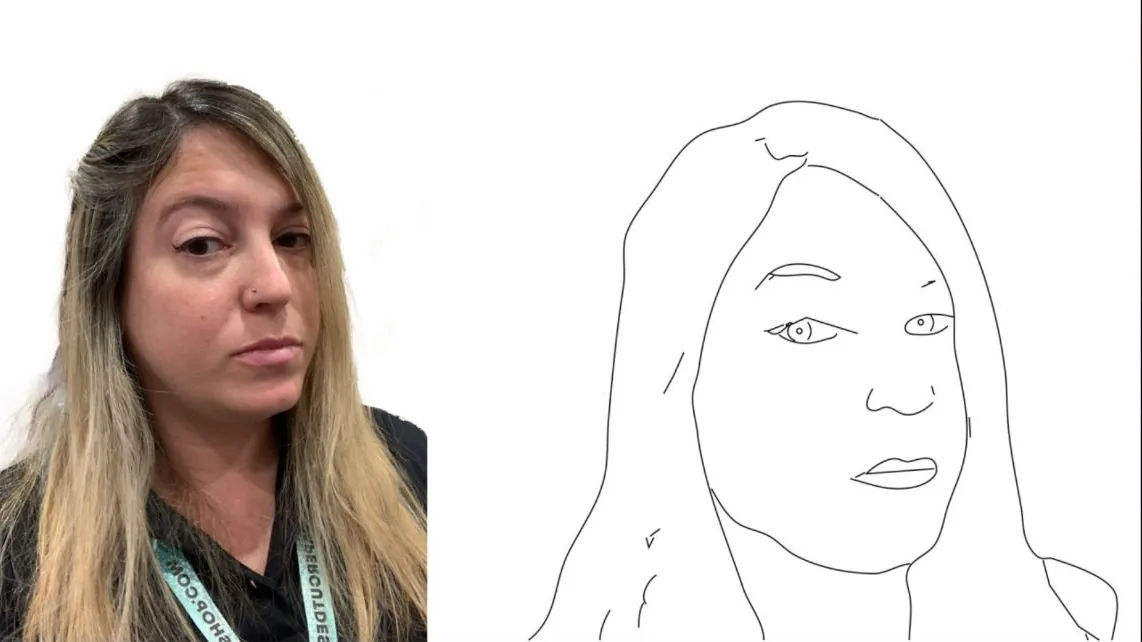
Branding should support the artwork rather than overwhelm it. A discreet logo, event title or date can make the portrait a useful brand touchpoint without making it feel like an advert. Discuss sketch styles, backgrounds and the paper layout with MooMuu, and agree the available customisation and artwork before the event.
It is also worth agreeing the creative direction before the event rather than relying on a generic setting. AI can produce varied outputs by nature, so the aim is not to make every portrait identical. The aim is to establish a recognisable visual language that still gives each guest an individual result.
What affects speed and capacity?
An AI Sketch Bot draws each physical portrait, so capacity planning is essential. Time is also spent welcoming the guest, capturing the photo, processing the illustration and collecting the drawing. A quick digital preview should not be confused with a completed paper portrait.
For a conference or busy activation, discuss the number of bots, drawing style, operating hours and expected guest demand together. Additional bots may help with capacity, but participation is not unlimited. At a reception or wedding, position the experience where a queue will not block access and allow guests time to enjoy watching their portraits being drawn.
The question is not simply, “How many sketches can it create?” It is whether the experience fits the rhythm of the event. A queue can be useful social proof at a launch, but it can become frustrating if it blocks an entrance or prevents guests from engaging with the rest of the programme.
Reliability, privacy and the human element
Live AI experiences need the same production discipline as any other event installation. Plan for power, space, lighting, paper and drawing materials, reliable internet and a practical contingency plan. MooMuu’s cloud-based image processing needs suitable connectivity, so venue Wi-Fi or mobile coverage should be discussed before the event, particularly where reception is restricted.
Privacy also deserves a clear approach. Guests should know that they are having a portrait taken and how their image will be used. For branded events, this may include simple on-site messaging and an agreed approach to image retention, sharing and consent. The right process depends on the client’s policies, the guest demographic and whether outputs are displayed publicly.
Finally, the human host remains central. They welcome hesitant guests, help create a natural portrait, manage the queue and solve small issues before they become noticeable. AI can generate the sketch, but it is the event team that makes the interaction feel polished.
Start with the experience you want guests to have: a portrait captured, a robot drawing it live and a personal artwork to take home. Share your venue, event timings, guest numbers and creative brief with MooMuu so the setup and expected capacity can be considered together.
Plan your MooMuu Sketch Bot experience
Explore the current AI Sketch Bot setup, styling options and practical details. Then tell us about your event, including your date, venue, guest numbers and timings, so we can discuss a suitable setup and quote.